


Healthy Weight Maintenance: What Happens After You Lose It
Achieving weight loss is only the beginning of the
journey toward better health. The greater challenge for many people is
maintaining the weight they have lost over time. After weight loss, the body
may respond with changes in metabolism, hormones, appetite, and eating
behaviors that can make weight regain more likely. Understanding what happens
to the body after weight loss and why maintaining it can be difficult can help
individuals adopt realistic, sustainable strategies for long-term weight
management.
Initial weight loss is often achieved by restricting calorie intake, but maintaining that weight loss over the long term can be much more challenging.1 Many people who lose a significant amount of weight regain it within 2 to 3 years. One possible reason is that reducing calorie intake can cause the body to slow its rate of energy expenditure, making further weight loss more difficult over time. This lower energy expenditure may also contribute to weight regain when a more usual diet is resumed. Therefore, extremely low-calorie diets and rapid weight loss are generally discouraged in favor of gradual, sustainable approaches. 2
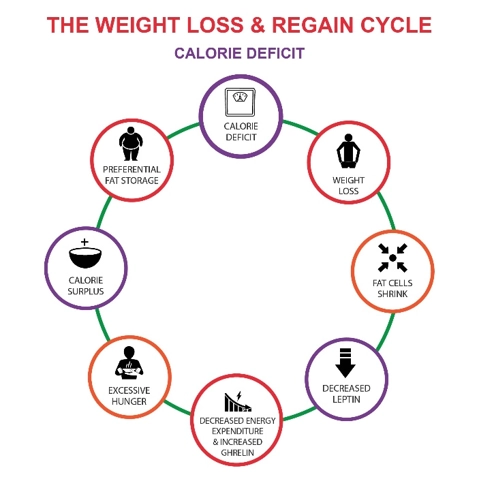

What Happens to Your Body After You Lose Weight?
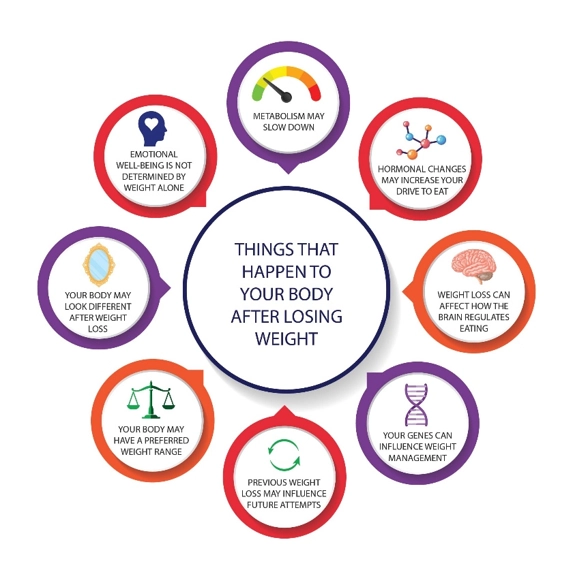 Fig 2: 8
things that happen to your body after you lose weight.
Fig 2: 8
things that happen to your body after you lose weight.
1. Your metabolism may slow down to conserve energy
As you reduce your calorie intake and increase physical activity to lose
weight, your body may respond by slowing down its metabolism to conserve energy
and maintain its current weight. This response, known as metabolic
compensation, may encourage the body to preserve and store energy for
future use.3
2. Hormonal changes may increase your
drive to eat
Metabolic compensation is not the only way the body responds to weight loss.
Fat cells produce leptin, a hormone that signals the brain when you have
had enough to eat. When you lose weight, fat cells become smaller and produce
less leptin, which may reduce feelings of fullness. At the same time, the
stomach produces ghrelin, a hormone that signals hunger. Ghrelin levels
may increase after weight loss, which can increase the desire to eat. 3
3. Weight loss can affect how the brain
regulates eating
Weight loss can also influence brain pathways involved in appetite and food
intake. Changes in these pathways may make it more difficult to regulate food
intake and maintain the behaviors needed to prevent weight regain. 3
4. Your genes can influence weight
management
More than 400 genes have been associated with obesity and weight gain. These
genes can influence appetite, metabolism, food cravings, and the way body fat
is distributed. Certain genetic factors may make weight loss more challenging,
even with increased physical activity and reduced-calorie diets. 3
5. Previous weight loss may influence
future attempts
If you have previously lost weight through changes in diet or physical
activity, your body may respond differently when you try to lose weight again.
Hormonal and metabolic adaptations that occur during previous weight loss may
make subsequent attempts more challenging and may result in less weight loss
with the same strategies.3
6. Your body may have a preferred weight
range
Some scientists suggest that the body may have a “set point” or preferred
weight range that is influenced by metabolism, hormones, and brain signals.
This range may differ between individuals and can be affected by genetics,
aging, previous weight loss, and hormonal changes. The theory suggests that the
body may work to maintain this preferred weight, making it more difficult to
sustain weight below that level.3
7. Your body may look different after
weight loss
Successful weight loss does not always result in the physical changes a person
expects. Loose skin and stretch marks may remain after significant
weight loss, and some people may experience emotional challenges while
adjusting to changes in their body image. 3
8. Emotional well-being is not determined
by weight alone
It is common to associate happiness and emotional well-being with achieving a
weight-loss goal. However, losing weight may not automatically resolve
dissatisfaction in other areas of life. Some individuals may feel disappointed
or guilty if they do not feel happier after losing weight, which can contribute
to emotional eating. After achieving significant weight loss, some people may
also feel uncertain about what their next personal or health goal should be. 3
What Makes Weight Loss Maintenance So Difficult? 1,5
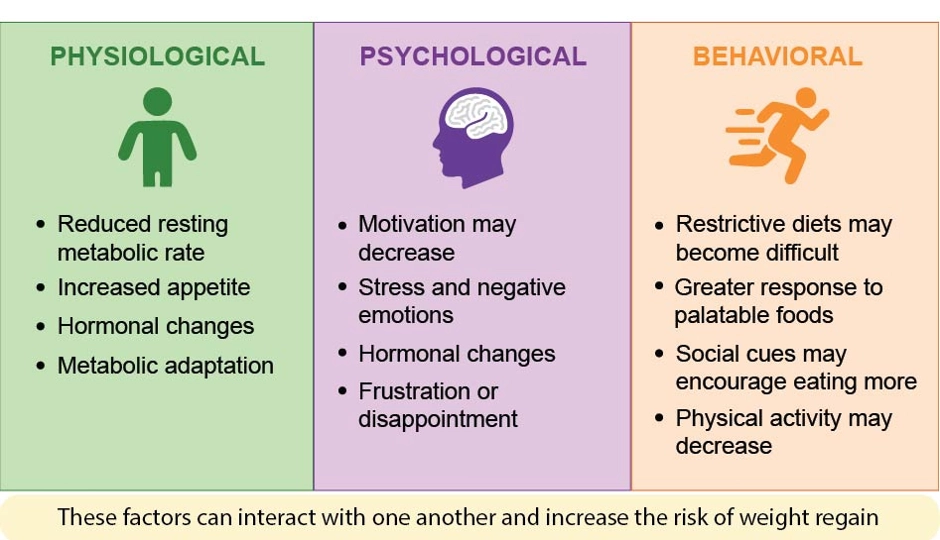 Fig 3: Factors Influencing Long-Term Weight Maintenance
Evidence consistently demonstrates that physical activity plays a critical role
in weight loss maintenance by offsetting metabolic adaptation, supporting
satiety regulation, and reinforcing long-term behavioral adherence. 1
How
can I maintain weight loss?
Three simple habits that will help you maintain your weight loss are:
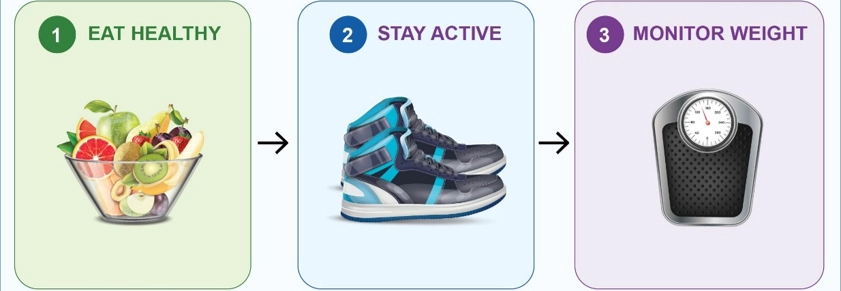
Fig 4: 3 Habits That Help Maintain Weight Loss
• Stick to a Healthy
Eating Plan
Continue making nutritious food
choices and follow your healthy eating plan as part of your daily routine.
Choosing healthy foods that you enjoy can make it easier to maintain these
habits over time. 5
• Stay Physically Active
Regular physical activity can help
prevent the weight you have lost from returning. Aim for at least 300
minutes of moderate-intensity physical activity each week and make exercise
a regular part of your lifestyle. 5
• Monitor Your Weight
Weigh yourself regularly and keep
track of changes in your weight. Monitoring your progress can help you stay
focused and identify setbacks early. Remember, a setback is not a failure.
If your weight starts to increase, refocus on your healthy habits and get back
on track as soon as possible. 5
Continuing healthy habits can support long-term weight
maintenance. If you notice that you are eating in response to stress, try using
exercise, physical activity, or meditation as alternative ways to manage
stress.2
Returning to old habits does not mean you have failed.
Refocusing on healthy eating and regular physical activity can help you get
back on track. Recognizing triggers such as negative emotions or interpersonal
difficulties and finding alternatives to eating as a way of coping can help
prevent a return to unhealthy habits.2
Weight Cycling
Weight cycling refers to repeatedly losing and
regaining weight, often described as “yo-yo dieting.” Some studies have linked
weight cycling with potential health concerns, including high blood pressure,
gallbladder disease, and high cholesterol; however, the evidence is not
conclusive. 4
Regular physical activity and healthy eating can help
reduce weight cycling and support long-term weight maintenance. 4
A common myth is that people who regain weight after
losing it will find it harder to lose weight again or maintain weight loss.
However, most studies suggest that weight cycling does not slow the body’s rate
of burning energy or reduce the ability to lose weight again. It also does not
appear to increase overall body fat or cause greater fat accumulation around
the abdomen. 4
Remember, progress is not about being perfect, it is about staying consistent. If setbacks happen, refocus on your healthy habits and keep moving forward. Small, sustainable changes practiced every day can help you maintain a healthy weight and support your overall well-being for years to come.
References
- 1. Alyafei A, Balfour J, Keyes D. Physical activity and weight loss maintenance. In: StatPearls [Internet]. Treasure Island (FL): StatPearls Publishing; 2026 Jan- [updated 2025 Sep 15]. Available from: https://www.ncbi.nlm.nih.gov/books/NBK572051/
-
2. Johns Hopkins Medicine. Maintaining weight loss [Internet]. Baltimore (MD): Johns Hopkins Medicine. Available from: https://www.hopkinsmedicine.org/health/wellness-and-prevention/maintaining-weight-loss
3. Northwestern Medicine. How your body fights weight loss [Internet]. Chicago (IL): Northwestern Medicine; [Updated December 2022]. Available from: https://www.nm.org/healthbeat/healthy-tips/how-your-body-fights-weight-loss
4. Stanford Health Care. Weight loss maintenance [Internet]. Stanford (CA): Stanford Health Care. Available from: https://stanfordhealthcare.org/medical-conditions/healthy-living/obesity/weight-loss-maintenance.html
5. National Institute of Diabetes and Digestive and Kidney Diseases. Eating and physical activity [Internet]. Bethesda (MD): NIDDK; [Last Reviewed May 2023]. Available from: https://www.niddk.nih.gov/health-information/weight-management/adult-overweight-obesity/eating-physical-activity
6. Thomas JG, Wing RR. Maintenance of long-term weight loss. Med Health R I. 2009;92(2):53,56-57.
Recent FAQs



Related FAQs





Medtalks is India's fastest growing Healthcare Learning and Patient Education Platform designed and developed to help doctors and other medical professionals to cater educational and training needs and to discover, discuss and learn the latest and best practices across 100+ medical specialties. Also find India Healthcare Latest Health News & Updates on the India Healthcare at Medtalks







Please login to comment on this article