
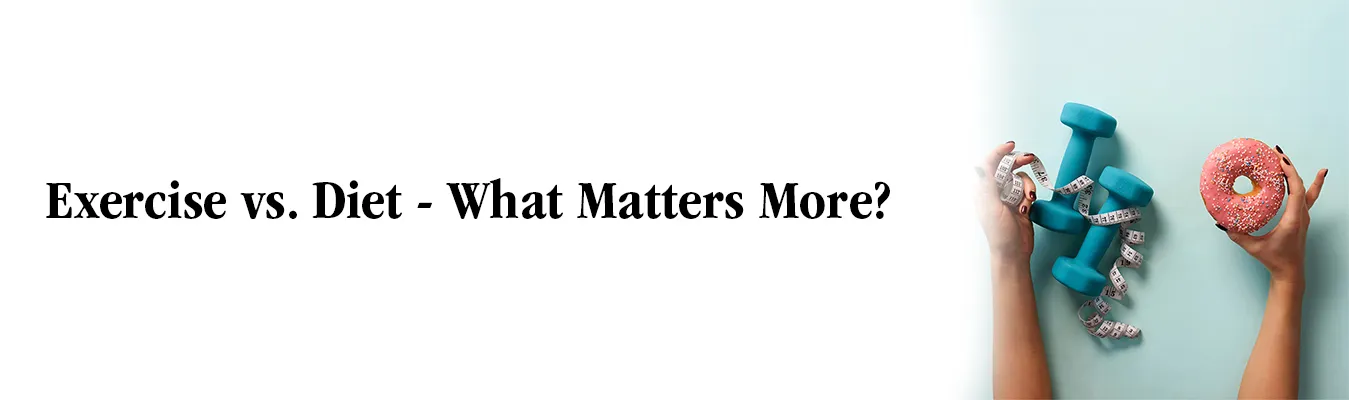

Exercise vs. Diet — What Matters More?
When it
comes to weight loss and better health, one question continues to spark debate:
Should you focus more on your diet or on exercise?
Many people
believe that spending more time exercising is the key to weight loss. Others
argue that controlling what you eat matters more. The truth is that both diet
and exercise play important but distinct roles in weight management and overall
health.
Understanding
how each contributes can help individuals make informed and sustainable
lifestyle choices.
Understanding Weight Loss: The Role of Energy Balance
Weight loss
occurs when the body expends more energy than it consumes, creating a calorie
deficit. This deficit can be achieved by:
- Reducing calorie intake through dietary changes
- Increasing calorie expenditure through
physical activity
- Combining both approaches

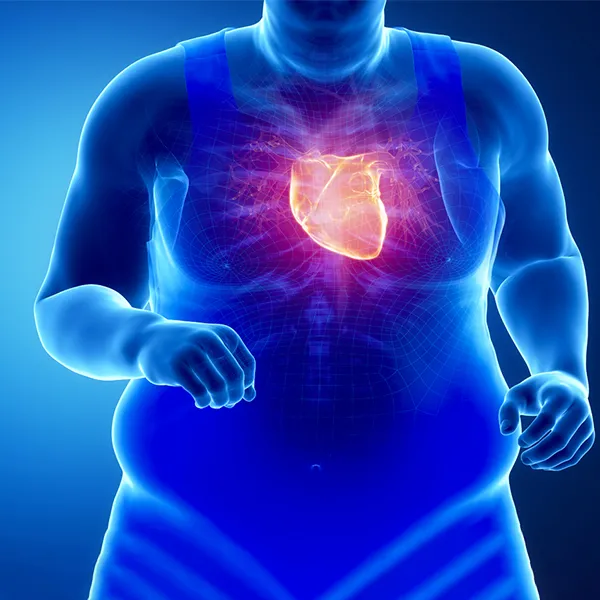
Fig 1: The figure
highlights that body weight is influenced by the balance between calories
consumed and calories burned
For example,
reducing portions, limiting calorie-dense foods, and choosing healthier
alternatives can substantially decrease calorie intake with less effort than
trying to burn the same number of calories through physical activity.
Impact of Diet on Weight Loss
Several
studies indicate that dietary modification is the primary driver of weight
loss.
Food intake
directly influences energy consumption, and even small changes in eating habits
can significantly affect total calorie intake over time. Because many foods
contain large amounts of calories, it is often easier to eliminate excess
calories through dietary adjustments than to expend them through exercise.

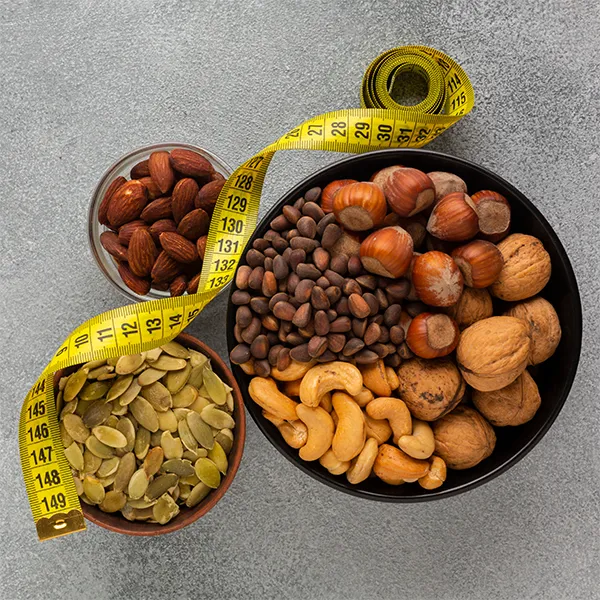
Fig 2: This image
highlights five evidence-based dietary approaches that can support healthy and
sustainable weight management
Research also
suggests that dietary changes can produce meaningful reductions in body weight
even when physical activity levels remain unchanged.
Why Exercise Matters
While
dietary changes are often the most effective way to initiate weight loss,
exercise remains a critical component of long-term weight management and
overall health. Physical activity offers benefits that extend far beyond the
number displayed on the weighing scale and plays an important role in
supporting a healthier body composition and improving physical fitness.
Ø One of the primary
ways exercise contributes to weight management is by increasing daily energy
expenditure.
Every
form of movement, from structured workouts and brisk walking to routine daily
activities, helps the body burn calories. When combined with a balanced diet,
this increased energy expenditure can support the calorie deficit needed for
weight loss and make weight management efforts more sustainable over time.
Ø Another
significant benefit of exercise during weight loss is its role in preserving
lean muscle mass.
When
individuals lose weight, the reduction often includes not only body fat but
also muscle tissue. Loss of muscle mass is undesirable because muscle
contributes to metabolic function, strength, mobility, and physical performance.
Maintaining muscle becomes particularly important for sustaining long-term
health and supporting an active lifestyle.
Exercise for weight Loss
Aerobic
activities such as brisk walking, cycling, swimming, and jogging help increase
energy expenditure, improve cardiorespiratory fitness, and support fat loss.
Resistance
training plays a particularly important role in preserving and building lean
muscle mass during weight loss. Activities such as weight training,
resistance-band exercises, and body-weight workouts stimulate muscle protein
synthesis and help counteract the loss of muscle tissue that can occur during
calorie restriction.
Preserving muscle
mass is essential not only for maintaining strength and physical function but
also for supporting metabolic health during weight reduction.
For
this reason, incorporating both aerobic and resistance-based exercise into a
comprehensive weight-management program is highly effective. Together, these
complementary forms of exercise provide a balanced approach that supports
weight loss, promotes long-term weight maintenance, and delivers broad health
benefits beyond changes in body weight.
So, What Do Experts Recommend?
According
to the experts rather than viewing diet and exercise as competing strategies,
they should be considered complementary components of a healthy lifestyle, each
serving a distinct purpose.
Studies
have shown that individuals who combine dietary modification with regular
exercise tend to retain more lean body mass compared with those who rely on
dietary changes alone.
Most
health professionals therefore recommend a combined approach that includes both
healthy eating and regular physical activity. Individuals are encouraged to
focus on sustainable lifestyle habits rather than short-term diets or intense
exercise programs that may be difficult to maintain.
Importantly, experts also encourage people
to look beyond the weighing scale when measuring success. Improvements in
fitness, strength, endurance, energy levels, metabolic health, and overall
well-being are meaningful indicators of progress, even when body weight changes
slowly. Research has shown that health benefits can occur in response to
increased physical activity and improved dietary quality, regardless of
substantial weight loss.
Key Takeaway
The question
is not whether diet or exercise matters more, it is understanding how each
contributes differently.
Diet plays
the leading role in creating the calorie deficit needed for weight loss.
Exercise, however, supports weight management, preserves muscle mass, improves
cardiovascular fitness, and delivers numerous health benefits that extend
beyond body weight.
The most
effective and sustainable approach combines healthy dietary habits with regular
physical activity. Together, they provide the strongest foundation for
long-term health, fitness, and well-being.
References:
·
Swift DL, Johannsen NM, Lavie CJ, Earnest CP, Church TS. The role of
exercise and physical activity in weight loss and maintenance. Prog Cardiovasc
Dis. 2014;56(4):441-447.
·
Stoner L, Rowlands D, Morrison A, Credeur DP, Hamlin M, Gaffney K, et
al. Exercise and dietary influences on arterial stiffness in obesity.
Nutrients. 2020;12(4):E1004.
·
Healthline. Is diet or exercise more important for your health?
[Internet]. Healthline Media; 2024 [cited 2026 Jun 20]. Available from: https://www.healthline.com/nutrition/diet-vs-exercise
·
Hartford HealthCare. Diet vs. exercise: Which is more important for
weight loss? [Internet]. Hartford HealthCare; 2024 [cited 2026 Jun 20].
Available from: https://hartfordhealthcare.org/about-us/news-press/news-detail?articleId=72227
·
Healthdirect Australia. Weight loss and dieting [Internet]. Canberra:
Healthdirect Australia; [cited 2026 Jun 20]. Available from: https://www.healthdirect.gov.au/weight-loss-and-dieting
·
National Health Service. Tips to help you lose weight [Internet]. London:
NHS; [cited 2026 Jun 20]. Available from: https://www.nhs.uk/live-well/healthy-weight/managing-your-weight/tips-to-help-you-lose-weight/
·
WebMD. 15 exercises that burn the most calories
[Internet]. New York (NY): WebMD; [cited 2026 Jun 20]. Available from: https://www.webmd.com/fitness-exercise/ss/slideshow-exercises-weightloss
Recent FAQs



Related FAQs




Medtalks is India's fastest growing Healthcare Learning and Patient Education Platform designed and developed to help doctors and other medical professionals to cater educational and training needs and to discover, discuss and learn the latest and best practices across 100+ medical specialties. Also find India Healthcare Latest Health News & Updates on the India Healthcare at Medtalks







Please login to comment on this article