

Decoding Obesity: Causes Beyond Calories
For years, obesity has been explained in a simple way: “Eat less, move more.” While eating habits and physical activity matter, this explanation ignores a much bigger truth. Obesity is not just about calories, it is a complex medical condition influenced by the brain, hormones, genetics, emotions, and the environment we live in.
Obesity Today
Obesity is rising at an alarming pace across the globe. According to the World Obesity Federation’s 2025 Atlas, the number of adults living with obesity is projected to more than double between 2010 and 2030, increasing from 524 million to 1.13 billion people.1 Once thought to be a problem only in wealthier countries, obesity is now growing rapidly in low- and middle-income nations, including India.
What’s even more concerning is that this trend is no longer limited to adults. As per UNICEF’s Child Nutrition Global Report 2025, obesity has now overtaken underweight as the most common form of malnutrition among school-aged children and adolescents worldwide.2 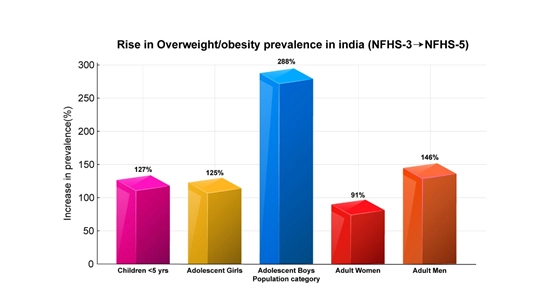 Fig 1: Depicts the surge in overweight and obesity in
India; under-five children increased from 1.5% to 3.4% (+127%), adolescent
girls from 2.4% to 5.4% (+125%), and adolescent boys from 1.7% to 6.6% (+288%);
in adults,
obesity rose by 91% in women (12.6% to 24.0%) and 146% in men
(9.3% to 22.9%) between NFHS-3 (2005–06) and NFHS-5 (2019–21).
Fig 1: Depicts the surge in overweight and obesity in
India; under-five children increased from 1.5% to 3.4% (+127%), adolescent
girls from 2.4% to 5.4% (+125%), and adolescent boys from 1.7% to 6.6% (+288%);
in adults,
obesity rose by 91% in women (12.6% to 24.0%) and 146% in men
(9.3% to 22.9%) between NFHS-3 (2005–06) and NFHS-5 (2019–21).
Understanding Obesity
Obesity is a chronic health condition characterized by excessive body fat accumulation that poses a risk to overall health. Even a small amount of extra weight can increase the risk of health problems. The more weight you gain, the higher the risk becomes.
Excess weight can strain bones and joints, leading to musculoskeletal problems. It also raises the likelihood of type 2 diabetes, heart disease, and stroke, the leading causes of death worldwide.
Knowing whether you are overweight or obese is the first step toward taking control of your health. However, there’s no one single number that defines obesity. Doctors use multiple measurements to evaluate body fat levels and identify health risks early. These include: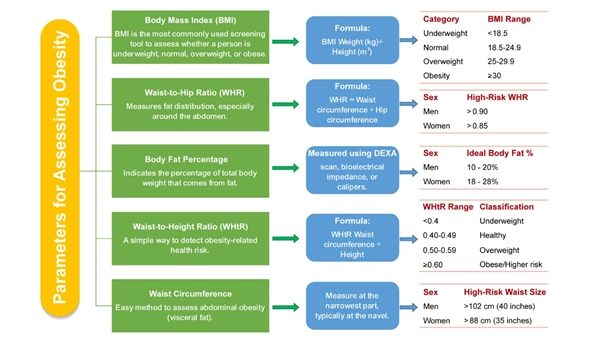
Fig 2: Explains various tools to calculate obesity
Obesity: A Disease, Not a Choice
Research over the last 30 years
shows that weight gain is not just a personal choice rather is affected by:
·
Biology
(body and genes)
·
Psychology
(stress, emotions, sleep)
· Environment (easy access to junk food, lack of physical activity, screen time)

Genetics and Obesity: When Your DNA Plays a Role
For many people, genetics plays a major role in how their body store fat, how hungry they feel, and how easily they gain weight. Some people have genes that make them gain weight more easily, especially if they eat sugary, high-calorie foods.
Research has identified 200–500 genes associated with obesity.3 Moreover, measurements such as Body Mass Index (BMI), waist-to-hip ratio, and skinfold thickness often show patterns that run in families. A study on identical twins reveals that their body weight tends to remain similar even when they grow up in different environments.
Impact of Hormones on Body Weight
The hormones of your body also influence your weight. Leptin and ghrelin are two key hormones that help control your appetite.
- Ghrelin is often called the “hunger hormone” because it signals your brain when your stomach is empty and it’s time to eat.
- Leptin, on the other hand, is known as the “fullness hormone.” It is released by fat cells and tells the brain that the body has enough energy stored, helping to reduce hunger.
In a healthy balance, ghrelin rises before meals and drops after you eat, while leptin increases to signal fullness. However, in obesity, this balance gets disrupted. The body may produce a lot of leptin, but the brain stops responding to it, a condition called leptin resistance. As a result, the person still feels hungry even though their body has enough fat stored. 
Fig 3: Shows the role and impact
of hormones on hunger and appetite
The Sleep–Obesity Connection
- Your body becomes less sensitive to insulin, making sugar control harder.
- Levels of leptin (the fullness hormone) drop, so you don’t feel satisfied after eating.
- Levels of ghrelin (the hunger hormone) and cortisol (stress hormone) increase, causing more cravings—especially for junk food.
- Increases appetite
- Triggers cravings for sugary and salty foods
- Encourages fat storage, especially around the abdomen
Medical Conditions That Influence Weight
Medical conditions such as hypothyroidism (an underactive thyroid) and Cushing's syndrome (which involves excess cortisol) can lead to weight gain. Other contributing factors include Polycystic Ovary Syndrome (PCOS), diabetes, and various neurological and genetic disorders. Additionally, metabolic syndrome and conditions like heart, kidney, or liver problems, which can cause fluid retention in the body, may also increase overall weight.
Approaches to Managing Obesity
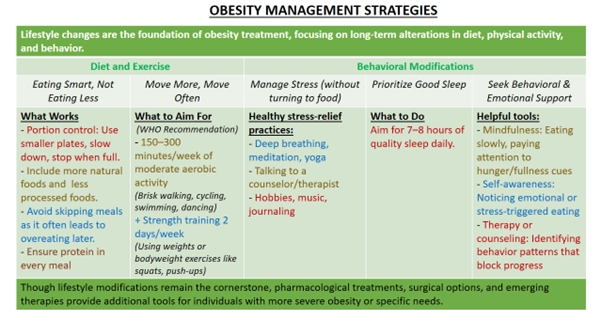
Fig 4: Tabulates various strategies and tips for effective
obesity management
Recent FAQs




Related FAQs






Medtalks is India's fastest growing Healthcare Learning and Patient Education Platform designed and developed to help doctors and other medical professionals to cater educational and training needs and to discover, discuss and learn the latest and best practices across 100+ medical specialties. Also find India Healthcare Latest Health News & Updates on the India Healthcare at Medtalks







Please login to comment on this article