

Understanding the Weight Set Point Theory: Why weight keeps Returning?
Many people trying to lose weight experience a frustrating cycle: they reduce calories, lose some weight, and then slowly regain it, even when they continue to eat carefully. It is evidenced that weight regain after dieting is extremely common. In fact, nearly 80–90% of individuals regain most or all of the lost weight.
This pattern is not simply about lack of willpower. Scientists now understand that the body has powerful biological mechanisms that regulate body weight. One important concept that explains this is the Weight Set Point Theory.
What Is the Weight Set Point?
The set point is the weight range your body naturally tries to maintain. Think of it as your body’s “comfort zone” for weight, regulated by the hypothalamus, a small but powerful part of the brain that controls hunger, fullness, metabolism, and energy use.
When your weight dips below this range, your body activates protective mechanisms to bring it back up. Conversely, when your weight rises above it, your body may try to curb appetite or increase energy use.
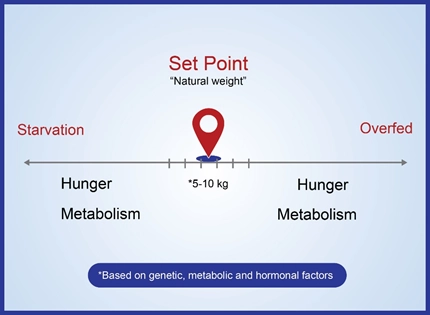
Fig 1: explains the set point theory of body weight
Interestingly, the body defends against weight loss more strongly than weight gain, which explains why losing weight and keeping it off can feel like swimming upstream.
Why Does the Body Defend a Set Point during weight loss?
From an evolutionary perspective, the body was designed to protect against starvation, not obesity. For most of human history, food scarcity was a real threat. The body developed systems to conserve energy, store calories efficiently, and restore lost weight quickly.
During significant calorie restriction, the body shifts into conservation mode:
- Muscle mass decreases
- Resting metabolic rate declines
- Energy expenditure reduces
- Hunger and appetite hormones increase
- Cravings intensify
As weight falls further, the body intensifies its defence by:
- Increasing hunger
- Reducing fullness
- Slowing metabolism
- Incrasing fat storage efficiency
Research shows that after weight loss, metabolism can remain 10–25% lower than expected due to adaptive thermogenesis, a biological process that conserves energy. This makes it extremely hard to maintain weight loss and when the diet ends, the body rapidly restores lost weight, sometimes even more than before.
This is a key factor behind the failure of many crash diets. Known as “metabolic adaptation,” this phenomenon occurs when the body begins burning fewer calories than anticipated after weight loss.
What parameters define your Body set point?
Your set point is influenced by many factors:
- Genetics: Your inherited traits affect how your body stores fat and uses energy.
- Early nutrition: What you ate as a child can shape metabolism and appetite patterns.
- Hormonal balance: Hormones signal your body when to eat, store fat, or burn energy.
- Sleep patterns: Poor sleep can disrupt hunger-regulating hormones, making you feel hungrier.
- Physical activity: Regular movement influences metabolism and how your body burns calories.
- Stress and emotions: Chronic stress can increase appetite and promote fat storage.
- Long-term lifestyle habits: Consistent diet, activity, and daily routines shape your body’s weight regulation over time.
This explains why some people maintain weight easily, while others struggle despite healthy habits.
Fig 2: illustrates
the key parameters and underlying mechanisms involved in the set point theory
of body weight regulation.
How is body set point regulated?
Hormones play a central role in keeping your weight near your set point by signaling your body to eat or conserve energy:
- Leptin: Produced by fat cells, it tells your brain you have enough energy. When weight drops, leptin levels fall, increasing hunger.
- Ghrelin: Known as the “hunger hormone,” it rises after weight loss, pushing you to eat more.
- •Other hormones: Insulin, peptide YY, and GLP-1 also help regulate appetite and energy balance.
These hormonal “signals” constantly communicate with your brain, creating a feedback loop that keeps your weight around your set point.
Can the Set Point Change?
Yes, but it takes time. Your set point isn’t fixed, it can gradually shift with sustained, healthy lifestyle changes, such as:
- Balanced eating: Regular meals with protein, fiber, and healthy fats can keep hunger in check.
- Regular exercise: Boosts metabolism and supports weight maintenance.
- Quality sleep: Poor sleep disrupts hunger hormones, increasing cravings.
- Stress management: Chronic stress raises cortisol, promoting fat storage.
Consistency over months or years is key. Small, steady changes can help your body adapt to a healthier weight range.
A Health-Focused Perspective on Weight
Understanding the weight set point theory highlights an important message: body weight is influenced by biology as well as lifestyle. Weight management should therefore focus on long-term health rather than quick results.
Figure 3 provides actionable steps for adjusting and achieving a desired
body weight set point
Recent FAQs




Related FAQs







Medtalks is India's fastest growing Healthcare Learning and Patient Education Platform designed and developed to help doctors and other medical professionals to cater educational and training needs and to discover, discuss and learn the latest and best practices across 100+ medical specialties. Also find India Healthcare Latest Health News & Updates on the India Healthcare at Medtalks







Please login to comment on this article