


ഉയർന്ന അപകടസാധ്യതയുള്ള വിഭാഗങ്ങൾക്കായി അനുയോജ്യമായി രൂപകൽപ്പന ചെയ്ത മുറിവ് പരിചരണ നിർദ്ദേശങ്ങൾ
ഓരോരോഗിവിഭാഗത്തിനുംമുറിവ്പരിചരണംവ്യത്യസ്തമായിആസൂത്രണംചെയ്യണം, കാരണംഓരോരുത്തരുടെയുംഅപകടസാധ്യതയുംമുറിവ്മുറുകുന്നരീതിയുംവ്യത്യസ്തമാണ്. ഈവ്യത്യാസങ്ങൾമനസ്സിലാക്കിതെളിവുകളെഅടിസ്ഥാനമാക്കിയപരിചരണംസ്വീകരിച്ചാൽസങ്കീർണതകൾകുറയുകയുംവേഗത്തിലുള്ളസുഖപ്രാപ്തിസാധ്യമാകുകയുംചെയ്യും.
ഉയർന്നഅപകടസാധ്യതയുള്ളവിഭാഗങ്ങൾ: വയോധികർ, പ്രമേഹരോഗികൾ, കിടപ്പുരോഗികൾ
1. വയോധികർ
•പ്രായം കൂടുന്തോറും ചർമ്മം മൃദുവായി സന്നിഹിതമാകുന്നു, കോളജൻ ഉൽപ്പാദനം കുറയുന്നു, രക്തചംക്രമണം കുറയുന്നതിനാൽ മുറിവുകൾ മുറുകാൻ കൂടുതൽ സമയം എടുക്കുന്നു.
•സൗമ്യമായ സോപ്പും വെള്ളവും അല്ലെങ്കിൽ സാലൈനും ഉപയോഗിച്ച് മുറിവ് സാവധാനം ശുചീകരിക്കൽ, ശുചിത്വം പാലിക്കൽ, പോവിഡോൺ-ഐയോഡിൻ പോലുള്ള ലഘുവായ ആന്റിസെപ്റ്റിക് ഉപയോഗിക്കൽ എന്നിവ അണുബാധ തടയാൻ സഹായകരമാണ്.
•പ്രോട്ടീൻ, വിറ്റാമിൻ C, സിങ്ക് എന്നിവ സമൃദ്ധമായ ഭക്ഷണം, മതിയായ ദ്രവസേവനം, ഇടയ്ക്കിടെ നിലപാട് മാറ്റൽ എന്നിവ മുറിവ് മുറുകാൻ സഹായിക്കുന്നു.
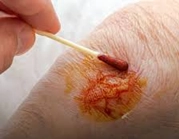
2. പ്രമേഹരോഗികൾ
- • ഡയബറ്റിക് ന്യൂറോപതി, ദുർബലമായ രക്തചംക്രമണം എന്നിവ കാരണം മുറിവ് മുറുകുന്നതിൽ വൈകല്യവും അണുബാധയുടെ സാധ്യതയും വർധിക്കുന്നു.
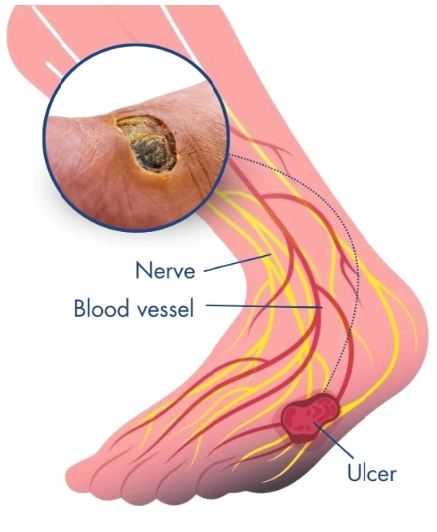
- • ദിവസേന കാലുകൾ പരിശോധിക്കൽ, അനുയോജ്യമായ ചെരിപ്പ് ഉപയോഗിക്കൽ, സാലൈൻ അല്ലെങ്കിൽ ആന്റിസെപ്റ്റിക് ദ്രാവകം ഉപയോഗിച്ച് മുറിവ് ശുചീകരിക്കൽ എന്നിവ പ്രധാനപ്പെട്ട മുൻകരുതൽ നടപടികളാണ്.
- • രക്തത്തിലെ പഞ്ചസാര നിയന്ത്രണത്തിൽ സൂക്ഷിക്കൽ, സംരക്ഷണ ചെരിപ്പുകൾ ഉപയോഗിക്കൽ, മുറിവ് കണ്ടാൽ ഉടൻ വൈദ്യോപദേശം തേടൽ എന്നിവ അൾസറുകളും സങ്കീർണതകളും ഒഴിവാക്കാൻ സഹായിക്കുന്നു.
3. കിടപ്പുരോഗികൾ
- • ദീർഘകാലം ഒരേ നിലപാടിൽ തുടരുന്നതിനാൽ കിടപ്പുരോഗികൾക്ക് പ്രെഷർ അൾസറുകളുടെ സാധ്യത കൂടുതലാണ്.
- • ഓരോ രണ്ട് മണിക്കൂറിലും നിലപാട് മാറ്റുക, പ്രെഷർ-റിലീഫ് മാട്രസ് ഉപയോഗിക്കുക, ചർമ്മം ശുചിയും വരണ്ടതുമായി സൂക്ഷിക്കുക എന്നിവ അത്യാവശ്യമാണ്.
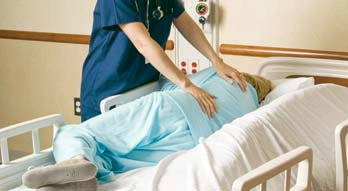
- • ആദ്യ ഘട്ടത്തിൽ തന്നെ ആന്റിസെപ്റ്റിക് പ്രയോഗം, മതിയായ പ്രോട്ടീൻ സ്വീകരണം, പരിചാരകരുടെ ജാഗ്രത എന്നിവ വേഗത്തിലുള്ള സുഖപ്രാപ്തിക്ക് സഹായകരമാണ്.
4. കുട്ടികൾ
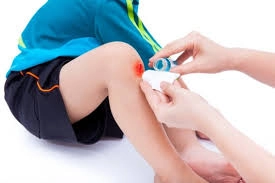
- • കളിക്കിടയിൽ കുട്ടികൾക്ക് ചെറിയ മുറിവുകൾ, മുറിവേൽപ്പുകൾ, ചുരണ്ടലുകൾ എന്നിവ ഉണ്ടാകാം; ശരിയായ ശുചീകരണം ഇല്ലെങ്കിൽ അവ അണുബാധയാകാൻ സാധ്യതയുണ്ട്.
- • ശുദ്ധജലം അല്ലെങ്കിൽ സാലൈൻ ഉപയോഗിച്ച് മുറിവ് കഴുകി, പോവിഡോൺ-ഐയോഡിൻ പോലുള്ള ലഘുവായ ആന്റിസെപ്റ്റിക് പുരട്ടി, ശുചിയായ ബാൻഡേജ് ഇടണം.
- • ടീറ്റനസ് വാക്സിനേഷൻ പുതുക്കിയതാണെന്ന് ഉറപ്പാക്കണം; ചുവപ്പ്, വീക്കം, പുസ് എന്നിവ കണ്ടാൽ ഉടൻ ശ്രദ്ധിക്കണം.
5. ഗർഭിണികൾ
- • ഗർഭകാലത്ത് ഹോർമോണൽ മാറ്റങ്ങളും ചർമ്മത്തിന്റെ സംവേദനശേഷിയും കാരണം മുറിവ് മുറുകുന്നതിൽ വൈകല്യം ഉണ്ടാകാം.
- • സാലൈൻ അല്ലെങ്കിൽ വെള്ളം ഉപയോഗിച്ച് മുറിവ് സാവധാനം ശുചീകരിക്കുക, ഡോക്ടറുടെ ഉപദേശം കൂടാതെ ആന്റിസെപ്റ്റിക് ഉപയോഗിക്കരുത്, ആൽക്കഹോൾ അടങ്ങിയ ഉൽപ്പന്നങ്ങൾ ഒഴിവാക്കുക.
- • മതിയായ പ്രോട്ടീൻ, ഇരുമ്പ്, വിറ്റാമിനുകൾ അടങ്ങിയ ഭക്ഷണം, ധാരാളം വെള്ളം കുടിക്കൽ, ഏതെങ്കിലും മുറിവ് പരിചരണ ഉൽപ്പന്നം ഉപയോഗിക്കുന്നതിന് മുൻപ് ഡോക്ടറുടെ ഉപദേശം തേടൽ ആവശ്യമാണ്.
പോവിഡോൺ-ഐയോഡിൻ: സമഗ്രമായമുറിവ്പരിചരണത്തിനുള്ളവിശ്വാസയോഗ്യമായപരിഹാരം
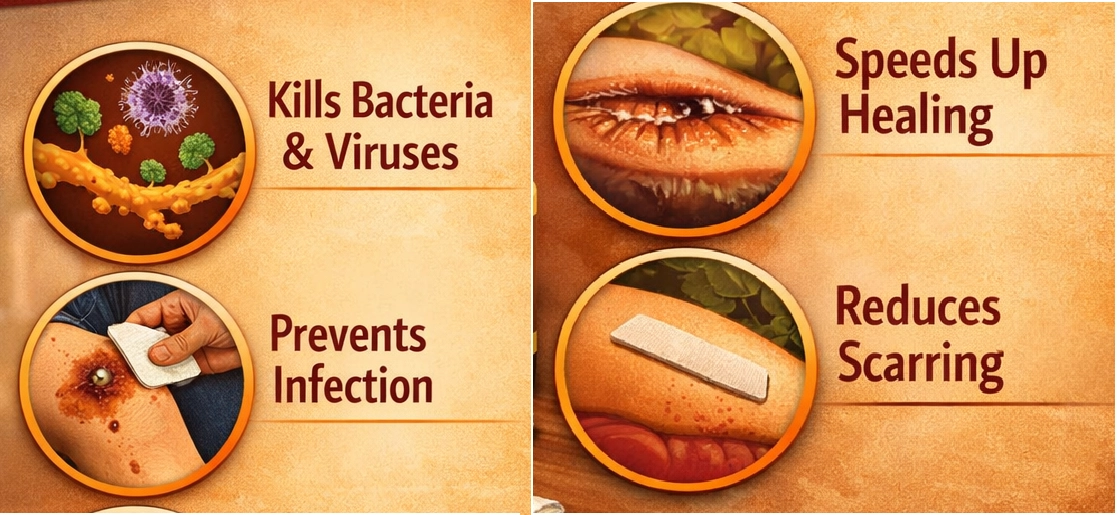
പോവിഡോൺ-ഐയോഡിൻഒരുനല്ലരീതിയിൽസ്ഥാപിതമായആന്റിസെപ്റ്റിക്ആണ്; ഇത്ബാക്ടീരിയ, വൈറസ്, ഫംഗസ്, പ്രോട്ടോസോവഎന്നിവയ്ക്കെതിരെഫലപ്രദമാണ്. സുരക്ഷയുംവ്യാപകമായഉപയോഗവുംകാരണംവയോധികർക്കുംപ്രമേഹരോഗികൾക്കുംഗർഭിണികൾക്കുംകുട്ടികൾക്കുംഇത്അനുയോജ്യമാണ്. അയോഡിനോട്അലർജിഉണ്ടെങ്കിൽഡോക്ടറുടെനിർദ്ദേശപ്രകാരംമാത്രമേഉപയോഗിക്കാവൂ.
ഉപസംഹാരം
ഉയർന്നഅപകടസാധ്യതയുള്ളവിഭാഗങ്ങളിൽശരിയായുംഅനുയോജ്യമായുംനടത്തിയമുറിവ്പരിചരണംമികച്ചഫലങ്ങൾനൽകുന്നു. വയോധികർക്കായിസൗമ്യമായപരിചരണം, പ്രമേഹരോഗികൾക്കായികർശനമായഅണുബാധനിയന്ത്രണം, കിടപ്പുരോഗികൾക്കായിപ്രെഷർപരിക്ക്തടയൽ, കുട്ടികളുംഗർഭിണികളുംക്കായിസുരക്ഷിതമായആന്റിസെപ്റ്റിക്ഉപയോഗംഎന്നിവഅനിവാര്യമാണ്. വിവിധതരത്തിലുള്ളമുറിവുകൾക്കായിപോവിഡോൺ-ഐയോഡിൻഒരുവിശ്വാസയോഗ്യമായതിരഞ്ഞെടുപ്പായിപരിഗണിക്കപ്പെടുന്നു.
References
1. Ernstmeyer K,
Christman E, editors. Chapter 20: Wound Care. In: Nursing Skills [Internet].
Eau Claire (WI): Chippewa Valley Technical College; 2021. [cited 2025 Jul 25].
Available from: https://www.ncbi.nlm.nih.gov/books/NBK593201/
2. Thomas DR.
Age-related changes in wound healing. Adv Skin Wound Care. 2001;14(6):312–320.
3. Guo S,
DiPietro LA. Factors affecting wound healing. J Dent Res. 2010;89(3):219–229.
4. Baranoski
S, Ayello EA. Wound Care Essentials: Practice Principles. 5th ed. Philadelphia:
Wolters Kluwer; 2020.
5. American
Podiatric Medical Association. Diabetic wound care. Available from: https://www.apma.org/patients-and-the-public/conditions-affecting-the-foot-and-ankle/diabetic-wound-care/
6. Lipsky BA,
et al. 2012 Infectious Diseases Society of America clinical practice guideline
for diabetic foot infections. Clin Infect Dis. 2012;54(12):e132–173.
7. Jaul E,
Barron J, Rosenzweig JP, Menczel J. An overview of pressure ulcer
pathophysiology and risk factors. Int Wound J. 2018;15(1):217–225.
8. National
Pressure Injury Advisory Panel (NPIAP). Prevention and Treatment of Pressure
Ulcers/Injuries: Clinical Practice Guideline. 2019.
9. European
Pressure Ulcer Advisory Panel, NPIAP, Pan Pacific Pressure Injury Alliance.
Prevention and Treatment of Pressure Ulcers/Injuries: Clinical Practice
Guideline. 2019.
10. Nationwide
Children’s Hospital. Small cuts and scrapes. Available from: https://www.nationwidechildrens.org/conditions/health-library/small-cuts-and-scrapes
11. Centers for
Disease Control and Prevention (CDC). Tetanus: For Clinicians. Available
from: https://www.cdc.gov/tetanus
12. Kerr OA,
Ferguson J, Attili SK, et al. Dermatologic and cosmetic procedures in
pregnancy. J CutanAesthet Surg. 2012;5(2):77–87.
13. Bigliardi
PL, Alsagoff SAL, El-Kafrawi HY, Pyon JK, Wa CTC, Villa MA. Povidone iodine in
wound healing: A review of current concepts and practices. Int J Surg.
2017;44:260–8.
Recent FAQs
Related FAQs

Medtalks is India's fastest growing Healthcare Learning and Patient Education Platform designed and developed to help doctors and other medical professionals to cater educational and training needs and to discover, discuss and learn the latest and best practices across 100+ medical specialties. Also find India Healthcare Latest Health News & Updates on the India Healthcare at Medtalks







Please login to comment on this article