


Myth vs. Reality: Wound Care Edition
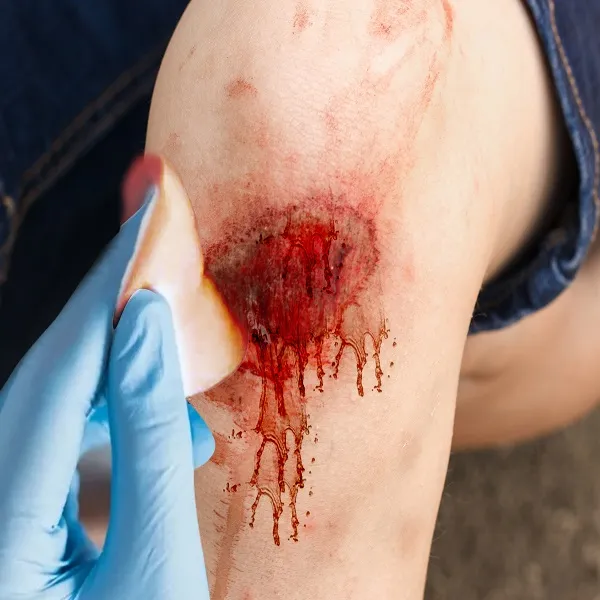
Wound care is still influenced by habits, home remedies, and outdated practices more than science. However, such methods may delay healing or even lead to infections. With the help of modern research, we now understand that evidence-based wound care offers safer and faster recovery.1
Some of the common myths are:
 Myth 1: "Wounds
heal better when left to dry."
Myth 1: "Wounds
heal better when left to dry."
 Fact: Wounds actually heal faster in a moist environment. Moisture helps new skin cells grow, reduces scarring, and lowers the risk of infection. Allowing the wound to dry out can lead to crust formation, which delays healing and increases discomfort.2
Myth 2: "Topical antibiotics should be applied to every wound."
Fact: Antibiotics are needed only when there is an actual infection. Applying them unnecessarily increases the risk of microbes stopping reacting to antibiotics. 3 For minor cuts, injuries, bruises, and scrapes, using an antiseptic to clean and dress the wound is usually enough.3,4 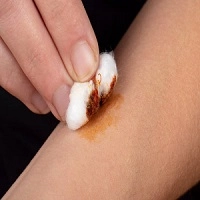
Myth 3: "Antiseptics and antibiotics are the same."
Fact: Antiseptics like povidone-iodine are used on the skin to kill microorganisms and prevent infection. Antibiotics, on the other hand, are medications used to treat infections that are already present within the body or deeper in the wound.4
Myth 4: "Povidone-iodine delays wound healing."
Fact: Povidone-iodine does not delay wound healing; instead, it is safe, well-tolerated, and supports normal repair. Beyond healing safety, PVP-I offers the added benefit of protection against a wide range of microorganisms, including bacteria, viruses, protozoa, etc., lowering wound infection risk.5
Myth 5: "Most people are allergic to povidone-iodine."
Fact: lergies to povidone-iodine are rare. It has been used for decades in hospitals and clinics for wound care and surgical preparation because it is generally well-tolerated by most patients.5,6
Conclusion
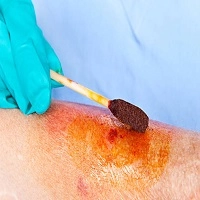
Many common beliefs about wound care are based on myths rather than facts. Research now shows that wounds heal best when they are kept clean, moist, and protected, not when left to dry or treated with unnecessary antibiotics. Using safe antiseptics like povidone-iodine and following evidence-based care helps wounds heal faster, lowers the chance of infection, and reduces scarring. Sharing the truth about these myths can help people make better choices for safe and speedy recovery.5,7
References
1. Sanjay S, Sivakumar G, Jaya Prakash S, Khan MS. Wound healing: A review of mechanisms, interventions, and future trends. Int J Sci Dev Res. 2024;9(4):982-991.
2. Nuutila K, Eriksson E. Moist wound healing with commonly available dressings. Advances in wound care. 2021 Dec 1;10(12):685-98.
3. Ventola CL. The antibiotic resistance crisis: part 1: causes and threats. Pharm Ther. 2015;40(4):277–83.
4. Lachapelle JM, Castel O, Casado AF, et al. Antiseptics in the era of bacterial resistance: a focus on povidone iodine. ClinPract. 2013;10(5):579–92.
5. Barreto R, Barrois B, Lambert J, Malhotra-Kumar S, Santos-Fernandes V, Monstrey S. Addressing the challenges in antisepsis: focus on povidone iodine. International journal of antimicrobial agents. 2020 Sep 1;56(3):106064.
6. Durani P, Leaper D. Povidone–iodine: use in hand disinfection, skin preparation and antiseptic irrigation. Int Wound J. 2008;5(3):376–87.
7. Kman N. Common wound care myths busted. Ohio State Wexner Medical Center. 2022. Available from: https://health.osu.edu/health/skin-and-body/wound-care-myths
Recent FAQs
Related FAQs






Medtalks is India's fastest growing Healthcare Learning and Patient Education Platform designed and developed to help doctors and other medical professionals to cater educational and training needs and to discover, discuss and learn the latest and best practices across 100+ medical specialties. Also find India Healthcare Latest Health News & Updates on the India Healthcare at Medtalks







Please login to comment on this article