

Why Preventing Infection in Wounds is Crucial — and How Betadine Helps
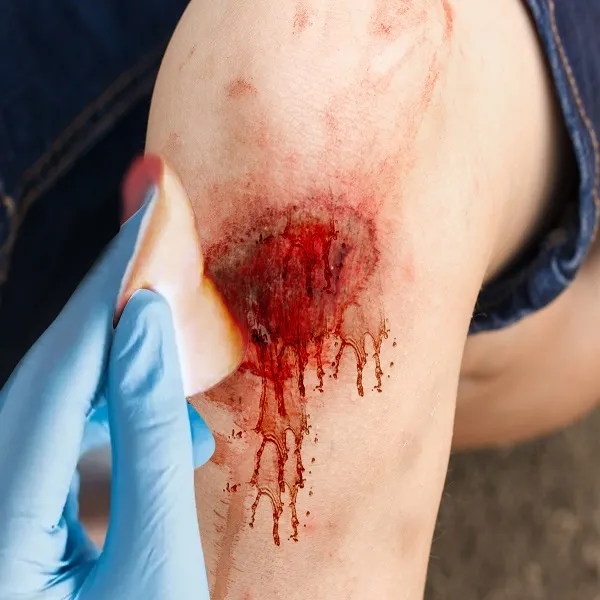
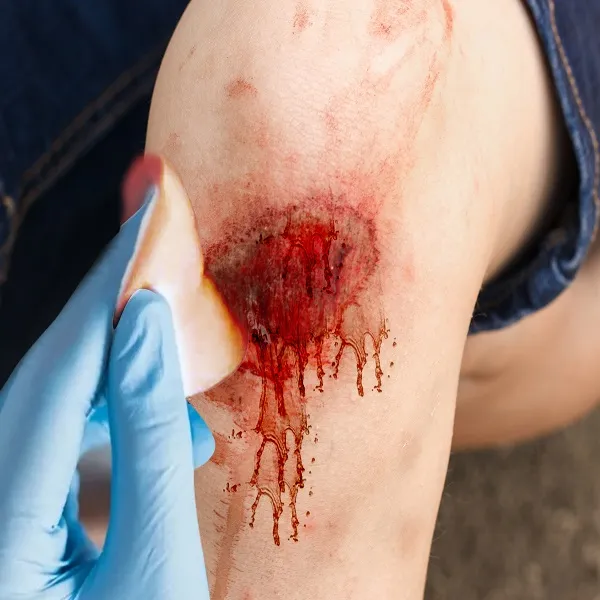
Our skin acts as a natural barrier, protecting the body from harmful microbes. When this barrier is broken by cuts, scrapes, or burns, even minor wounds can become serious if they get infected. Some bacteria that normally live on the skin may help with healing, but harmful ones can grow fast and cause swelling and pain. This can slow down healing and lead to complications.¹
The risk of infection increases in certain situations. People with underlying health conditions such as diabetes, poor blood circulation, or advanced age may have a reduced ability to fight infections.2 Wounds that are repetitive injury—such as shoe bites or pressure ulcers—also take longer to heal and provide a favorable environment for harmful microbes to grow.3
In all these cases, preventing infection is a key step not only for faster wound healing but also to avoid complications that could require more intensive medical treatment. This underscores the importance of using effective antiseptics, such as Betadine, during wound care.
Role of Betadine in Infection Control and Wound Care
Infection control is the most important step in wound care. Cleansing the wound with an effective antiseptic is an essential step in preventing microbial growth and infection. Betadine, which contains povidone-iodine, is a widely trusted antiseptic used in hospitals as well as home care. It helps clean the wound surface by removing harmful microorganisms and reducing the risk of contamination. Once cleansed, Betadine aids the wound dressing by continuing to protect the area from microbes under the sterile cover, forming a shield against bacteria and fungi.
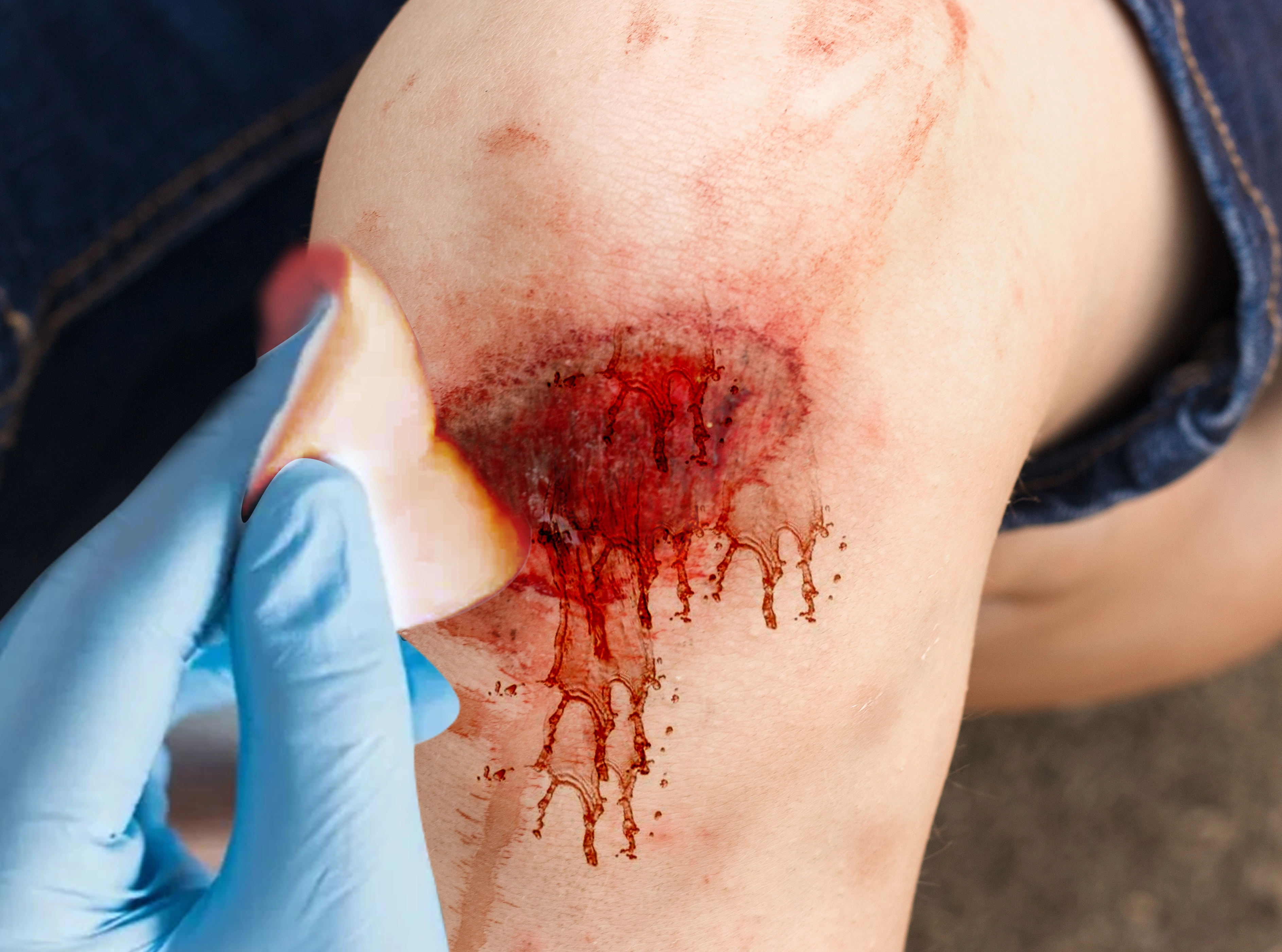
What makes Betadine especially useful is its rapid, potent, and persistent antimicrobial action. It works by releasing iodine, which penetrates microbial cells and destroys their structure. Studies show that povidone-iodine not only prevents infection but also help in wound healing when used appropriately. Unlike topical antibiotics, Betadine does not cause the microbes to become resistant, making it safer for frequent use.
A clinical review emphasised the effectiveness of povidone-iodine in both acute and chronic wound care, highlighting its ability to reduce infection rates and support tissue regeneration.4,5 Furthermore, Betadine comes in multiple forms, such as solution, powder and ointment/cream, making it convenient for home use, school first-aid kits, or travel.6
How to Integrate Betadine into Daily Wound Care6
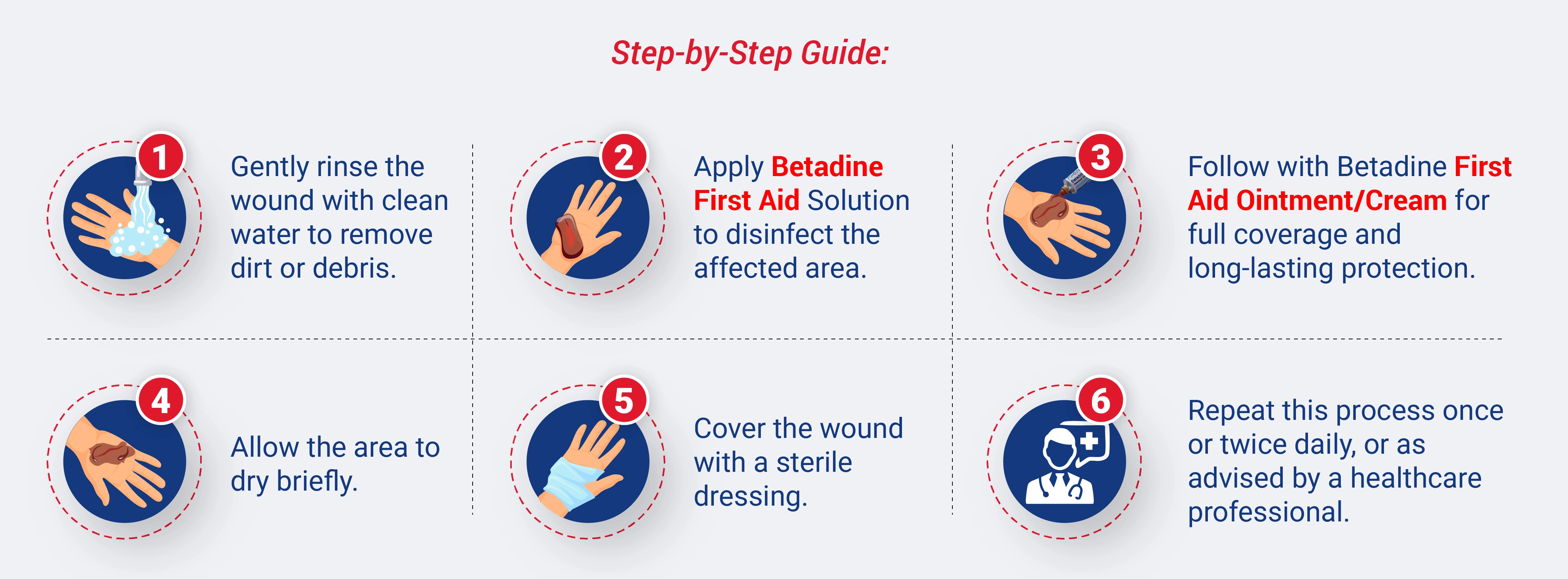
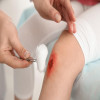
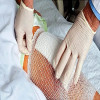
After understanding how Betadine helps prevent infection and supports wound care, it’s important to know how to use it effectively in daily wound care. Minor cuts, scrapes, and abrasions are common, but proper care can prevent infection and promote faster recovery. Betadine offers a reliable antiseptic that can be easily incorporated into routine wound management.
By following a simple daily routine, you can effectively use Betadine to keep wounds clean, protected, and promote faster healing.
Conclusion
Recent FAQs


Related FAQs






Medtalks is India's fastest growing Healthcare Learning and Patient Education Platform designed and developed to help doctors and other medical professionals to cater educational and training needs and to discover, discuss and learn the latest and best practices across 100+ medical specialties. Also find India Healthcare Latest Health News & Updates on the India Healthcare at Medtalks







Please login to comment on this article