
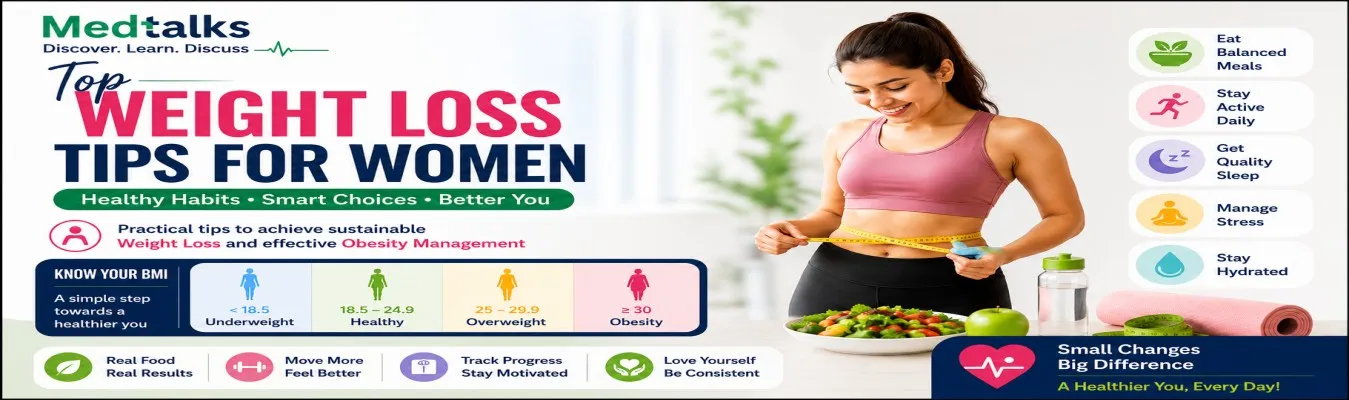

Top Weight Loss Tips for Women: A Complete Guide to Healthy Weight Management
Maintaining a healthy weight is about much more than
improving appearance—it plays a vital role in supporting long-term health,
energy levels, and overall well-being. Many women experience weight
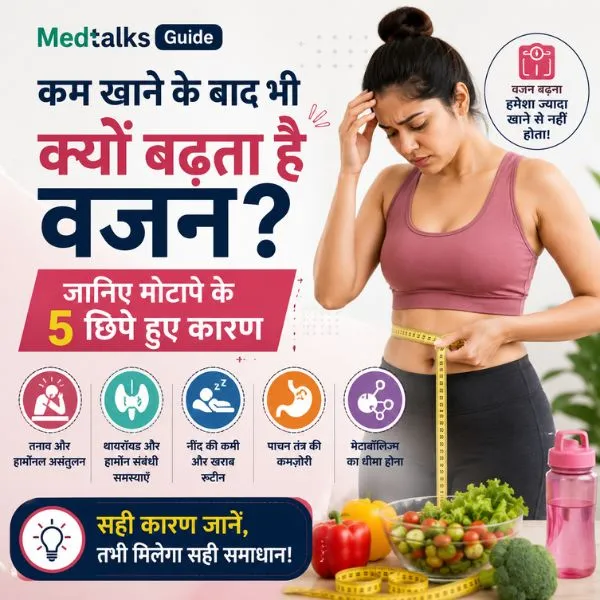
fluctuations due to hormonal changes, pregnancy, menopause, stress, sedentary
lifestyles, or unhealthy eating habits. While countless diet trends promise
rapid results, sustainable Weight Loss requires evidence-based lifestyle
changes rather than quick fixes.
At Medtalks, we believe successful weight management begins
with understanding your body, setting realistic goals, and adopting habits that
you can maintain for years. This guide explains practical strategies that
support healthy weight reduction, improve metabolic health, and contribute to
effective Obesity
Management.
Why Healthy Weight Matters
Carrying excess body fat may increase the likelihood of
developing several chronic conditions, including:
- Type
2 diabetes
- High
blood pressure
- Heart
disease
- Fatty
liver disease
- Sleep
apnea
- Joint
problems
- Certain
cancers
Fortunately, even a modest reduction in body weight can
improve blood sugar control, blood pressure, cholesterol levels, and overall
quality of life.
Start by Understanding Your BMI
One of the simplest ways to assess whether your weight falls
within a healthy range is by checking your BMI
(Body Mass Index). BMI compares your height and weight to estimate
weight status.
For adults:
|
BMI Range |
Weight Category |
|
Below 18.5 |
Underweight |
|
18.5–24.9 |
Healthy Weight |
|
25–29.9 |
Overweight |
|
30 and above |
Obesity |
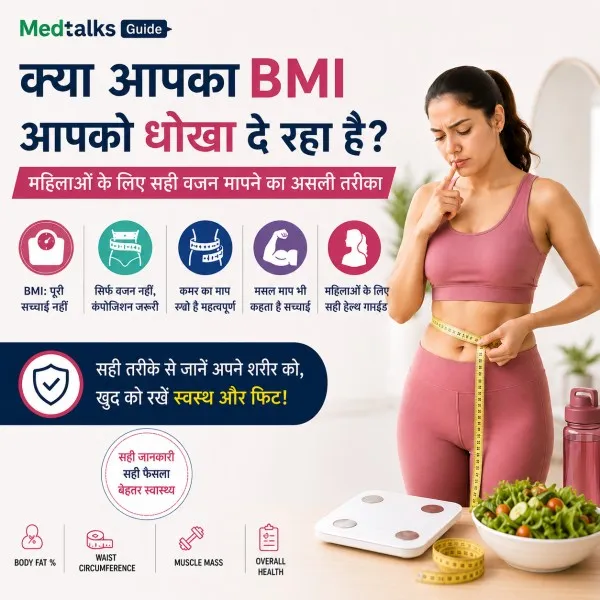
Although BMI is a useful screening tool, it should not be
considered the only indicator of health. Healthcare professionals also evaluate
waist circumference, muscle mass, body composition, lifestyle habits, and
metabolic markers before making recommendations.
Women experiencing hormonal changes during pregnancy,
perimenopause, or menopause may notice changes in body composition, making
regular health assessments even more important.
10 Effective Weight Loss Tips for Women
1. Set Realistic Goals
Healthy progress takes time. Rather than aiming for rapid
changes, focus on gradual improvements that are easier to maintain. Sustainable
habits produce better long-term outcomes than restrictive diets.
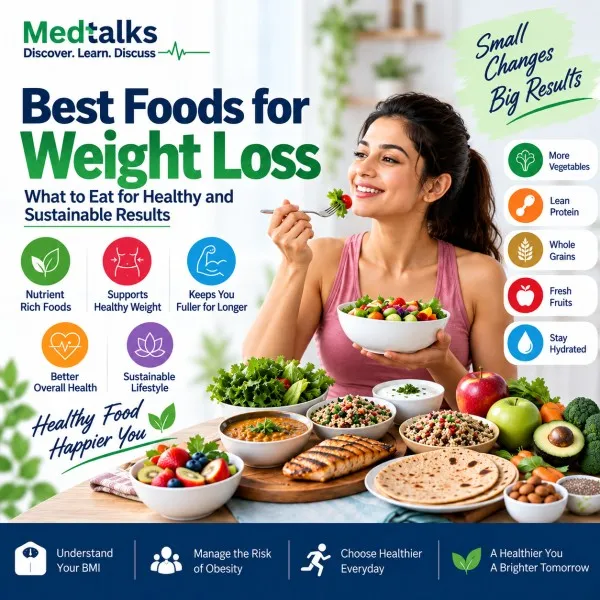
2. Prioritize Balanced Nutrition
A nutritious diet provides essential vitamins, minerals,
protein, healthy fats, and fiber while helping regulate appetite.
Include more:
- Fresh
vegetables
- Seasonal
fruits
- Whole
grains
- Lentils
- Lean
protein
- Low-fat
dairy
- Nuts
and seeds
Reduce the intake of sugary beverages, highly processed
snacks, and foods rich in trans fats.
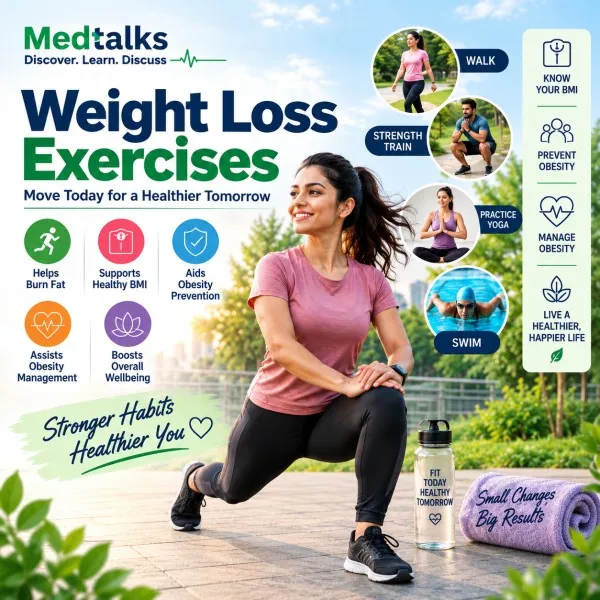
3. Increase Daily Physical Activity
Regular movement supports calorie expenditure,
cardiovascular fitness, and muscle strength.
Recommended activities include:
- Brisk
walking
- Cycling
- Swimming
- Yoga
- Strength
training
- Dancing
Combining aerobic exercise with resistance training often
delivers better long-term results.
4. Don't Skip Meals
Skipping meals may lead to excessive hunger later in the
day, increasing the likelihood of overeating.
Instead, consume balanced meals at regular intervals and
practice portion control.
5. Choose High-Fiber Foods
Dietary fiber supports digestive health while promoting
fullness.
Excellent sources include:
- Oats
- Apples
- Beans
- Chia
seeds
- Flaxseeds
- Green
vegetables
- Whole
grains
Higher fiber intake may also help improve blood sugar
regulation.
6. Get Enough Quality Sleep
Sleep plays an essential role in regulating hormones that
influence hunger and satiety.
Adults should aim for seven to nine hours of quality sleep
each night to support healthy metabolism and overall well-being.
7. Manage Stress Effectively
Chronic stress may increase cortisol levels, encouraging
cravings for calorie-dense foods.
Healthy stress-management techniques include:
- Meditation
- Deep
breathing exercises
- Yoga
- Reading
- Spending
time outdoors
- Talking
with family or friends
Reducing stress benefits both mental and physical health.
8. Stay Hydrated
Proper hydration supports normal body functions and may help
reduce unnecessary snacking by preventing thirst from being mistaken for
hunger.
Carrying a reusable water bottle can help you maintain
consistent fluid intake throughout the day.
9. Build Muscle Through Strength Training
As women age, muscle mass naturally declines, slowing
metabolism.
Resistance exercises help preserve lean muscle, improve bone
health, and support long-term weight management.
10. Track Your Progress
Instead of focusing only on the number displayed on the
scale, monitor:
- Waist
circumference
- Energy
levels
- Physical
fitness
- Clothing
fit
- Healthy
eating habits
- Exercise
consistency
These indicators often provide a more complete picture of
overall progress.
The Importance of Obesity Management
Effective Obesity Management goes beyond reducing
body weight. It focuses on improving long-term health through nutrition,
physical activity, behavior change, sleep optimization, and regular medical
care.
Some individuals may require personalized nutrition plans,
supervised exercise programs, medications, or specialist consultation depending
on their medical history and health status.
Seeking professional guidance is especially important if
lifestyle changes alone are not producing meaningful results.
Healthy Daily Habits That Support Long-Term Success
Simple daily habits can significantly improve overall
health:
- Eat
home-cooked meals more frequently.
- Limit
sugary beverages.
- Avoid
prolonged sitting.
- Walk
regularly throughout the day.
- Include
protein in every meal.
- Practice
mindful eating.
- Plan
meals in advance.
- Maintain
consistent sleep schedules.
- Reduce
processed food consumption.
- Schedule
routine health check-ups.
Consistency is often more valuable than perfection.
Frequently Asked Questions (FAQs)
1. What is the healthiest way to lose weight?
A combination of balanced nutrition, regular physical
activity, quality sleep, stress management, and sustainable lifestyle habits is
considered the safest and most effective approach.
2. Is BMI enough to determine whether I am healthy?
No. BMI is a helpful screening tool, but healthcare
professionals also consider body composition, waist circumference, blood
pressure, blood sugar, cholesterol levels, and overall lifestyle.
3. How quickly should women expect to lose weight?
Healthy weight reduction is generally gradual. Slow and
consistent progress is more sustainable than rapid weight loss.
4. Should I completely avoid carbohydrates?
No. Whole grains, fruits, vegetables, and legumes provide
healthy carbohydrates along with fiber and essential nutrients. The focus
should be on choosing quality sources and appropriate portions.
5. When should I consult a healthcare professional?
If you experience rapid weight gain, persistent difficulty
losing weight, hormonal concerns, or obesity-related health conditions, seek
medical advice for a personalized treatment plan.
Final Thoughts
Achieving a healthier weight is a journey built on
consistency rather than perfection. Small improvements in nutrition, physical
activity, sleep, hydration, and stress management can lead to meaningful
long-term health benefits. Instead of following restrictive diets or
unrealistic trends, focus on sustainable habits that fit your lifestyle.
At Medtalks,
our mission is to provide trusted, evidence-based health education that
empowers women to make informed decisions about their well-being. With the
right knowledge, realistic goals, and professional guidance when needed,
lasting weight management and improved health are achievable for every woman.
Recent FAQs
Related FAQs




Medtalks is India's fastest growing Healthcare Learning and Patient Education Platform designed and developed to help doctors and other medical professionals to cater educational and training needs and to discover, discuss and learn the latest and best practices across 100+ medical specialties. Also find India Healthcare Latest Health News & Updates on the India Healthcare at Medtalks







Please login to comment on this article