


Weight Loss Exercises: Best Workouts to Burn Fat, Improve BMI and Prevent Obesity
Regular physical activity is one of the most effective ways
to support a healthy body weight, improve fitness, and reduce the risk of
obesity-related health problems. But you don't need an intense gym routine to
get started. Walking, cycling, strength training, yoga, swimming, and other
activities can all contribute to better health when performed consistently.
For people looking to lose excess weight, weight
loss exercises work best when combined with a balanced eating pattern,
adequate sleep, and sustainable lifestyle habits. The goal is not simply to
burn calories during a workout but to build an active routine that can be
maintained over the long term.
According to the CDC, adults should aim for at least 150
minutes of moderate-intensity aerobic activity each week, along with
muscle-strengthening activities on at least two days. WHO similarly recommends
150–300 minutes of moderate aerobic activity weekly for adults, with muscle
strengthening on two or more days.
What Are the Best Exercises for Weight Loss?
There is no single exercise that is best for everyone. The
right workout depends on your age, fitness level, health conditions,
preferences, and goals.
A combination of aerobic exercise, strength training, and
everyday movement is generally a practical approach.
1. Brisk Walking
Walking is one of the easiest ways to increase physical
activity, particularly for beginners.
A brisk walk can increase heart rate and energy expenditure
without requiring complicated equipment. You can start with 15–20 minutes and
gradually increase your duration.
Indian lifestyle tip: Walk in a nearby park, around
your residential area, or use walking as part of your daily commute when
practical.
If you are currently inactive, starting with small amounts
and gradually increasing activity is recommended.
2. Cycling
Cycling can provide an effective aerobic workout while being
relatively low-impact on the joints.
You can cycle outdoors, use a stationary bicycle, or
incorporate cycling into short-distance travel.
For people who find running uncomfortable, cycling can be a
useful alternative for improving cardiovascular fitness.
3. Strength Training
Strength training should not be overlooked when trying to
reduce body fat.
Exercises such as:
- Squats
- Lunges
- Push-ups
- Resistance-band
exercises
- Dumbbell
exercises
- Bodyweight
exercises
can help strengthen major muscle groups.
Maintaining muscle during weight loss is important for
functional fitness and healthy body composition. Current physical activity
guidelines recommend muscle-strengthening activities involving major muscle
groups on at least two days each week.
4. Jogging or Running
For people who already have a reasonable level of fitness,
jogging or running can provide vigorous aerobic activity.
However, running is not essential for weight management. If
you have joint pain, significant obesity, heart problems, or have been
physically inactive for a long time, lower-impact options such as walking,
cycling, or swimming may be more appropriate.
5. Swimming
Swimming and water-based exercise can provide a full-body
workout while reducing impact on the joints.
It may be particularly useful for individuals who find
land-based exercises uncomfortable.
6. Yoga
Yoga can complement a weight-management program by improving
flexibility, mobility, balance, and physical awareness.
More dynamic forms of yoga can provide greater physical
activity, while breathing and relaxation practices may support stress
management.
Yoga should ideally be combined with aerobic activity and
strength training rather than used as the only form of exercise when the
primary goal is improving overall fitness.
7. Home Workouts
You don't necessarily need a gym to become more active.
A simple home routine could include:
Warm-up: 5 minutes of easy walking or mobility
exercises
Workout:
- 10
squats
- 8–10
wall or modified push-ups
- 10
lunges or supported lunges
- 20–30
seconds of marching in place
- 10
glute bridges
Repeat according to your fitness level and finish with
gentle stretching.
Beginners should start comfortably and increase duration and
intensity gradually.
How Much Exercise Do You Need for Weight Loss?
For general health, adults should aim for at least 150
minutes of moderate-intensity aerobic activity per week or 75 minutes of
vigorous activity, plus muscle-strengthening exercise on two or more days. More
activity may provide additional health benefits.
For example:
|
Day |
Activity |
|
Monday |
30-minute brisk walk |
|
Tuesday |
Strength training |
|
Wednesday |
30-minute cycling |
|
Thursday |
Brisk walk + stretching |
|
Friday |
Strength training |
|
Saturday |
40-minute walk or swimming |
|
Sunday |
Light activity or recovery |
This is only an example. Your routine should be adapted to
your fitness level and medical needs.
Can Exercise Improve BMI?
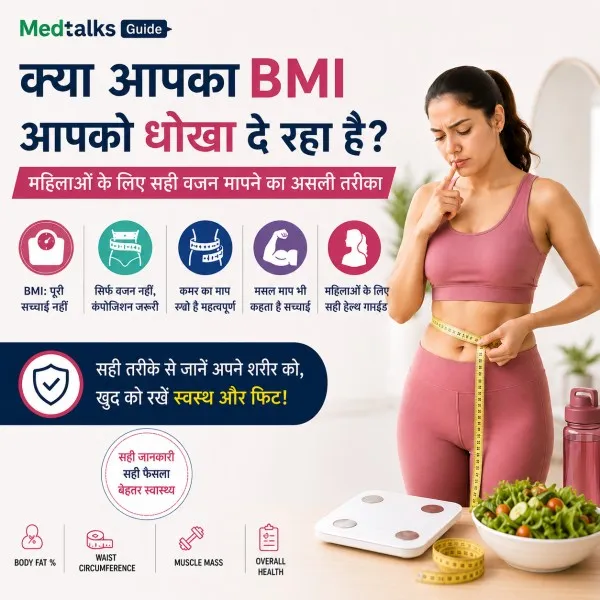
BMI (Body Mass Index) is a screening measurement that
compares weight with height. It can help identify whether an adult may be
underweight, within the standard healthy range, overweight, or living with
obesity.
However, BMI does not directly measure body fat or
distinguish fat from muscle.
Exercise can support healthier body composition and weight
management, but BMI should not be the only measure of progress. Waist
circumference, strength, fitness, blood pressure, blood glucose, and other
health indicators can also be relevant.
What About BMI
for Women?
The standard adult BMI categories generally apply to both
men and women. However, BMI does not capture differences in body composition,
hormonal changes, pregnancy, menopause, or fat distribution.
For women, a healthcare professional may therefore consider
BMI alongside waist circumference, medical history, lifestyle, and other health
measurements rather than relying on BMI alone.
Exercise and Obesity Management
Physical activity is an important component of obesity
management, but exercise should not be viewed as a punishment for body
weight.
Obesity is a complex health condition influenced by
genetics, biology, environment, lifestyle, medications, sleep, and other
factors. Some people may require structured medical weight management in
addition to nutrition and physical activity.
Regular activity also provides health benefits beyond weight
loss. It can support cardiovascular fitness, muscle strength, mental wellbeing,
mobility, and metabolic health.
Exercise as Part of Obesity Prevention
You don't have to wait until your weight increases to become
physically active.
Obesity prevention can begin with simple daily
habits:
- Walk
more throughout the day.
- Reduce
prolonged sitting.
- Take
stairs when appropriate.
- Choose
active transportation when practical.
- Schedule
regular workouts.
- Include
strength exercises twice a week.
- Make
physical activity enjoyable rather than restrictive.
WHO emphasizes that some physical activity is better than
none, and activity can be incorporated through transportation, household
tasks, recreation, work, and planned exercise.
How to Make Weight
Loss Exercise More Effective
Exercise alone may not always produce substantial weight
loss. The CDC notes that physical activity combined with appropriate dietary
changes can help create the energy deficit needed for weight reduction, while
regular activity is important for maintaining weight loss.
For better results:
- Combine
cardio with strength training.
- Stay
physically active outside workout sessions.
- Focus
on nutritious, portion-conscious meals.
- Get
adequate sleep.
- Increase
exercise gradually.
- Choose
activities you enjoy.
- Track
consistency rather than obsessing over daily weight changes.
When Should You Talk to a Doctor Before Exercising?
If you have obesity along with heart disease, diabetes,
uncontrolled blood pressure, significant joint problems, severe breathlessness,
or another chronic condition, discuss an appropriate exercise plan with a
healthcare professional.
People with chronic health conditions may benefit from
individualized advice about the type, intensity, and amount of physical
activity that is appropriate for them.
Frequently Asked Questions
Which exercise is best for weight loss?
There is no universal best exercise. Brisk walking, cycling,
swimming, running, and strength training can all contribute to weight
management. A combination of aerobic and resistance exercise is a practical
approach.
Can walking help reduce body weight?
Yes. Regular walking increases physical activity and energy
expenditure and can contribute to weight management, particularly when combined
with appropriate nutrition.
Is strength training good for weight loss?
Yes. Strength training helps build or maintain muscle and
supports healthy body composition. It is an important part of a balanced
exercise program.
How much should I exercise every day?
A common target is about 30 minutes of moderate activity on
five days per week, plus muscle-strengthening activity on at least two days.
You can divide activity into manageable sessions throughout the week.
Can exercise prevent obesity?
Regular physical activity can contribute to healthy weight
maintenance and is an important part of obesity prevention. However, body
weight is influenced by multiple factors, so exercise should be combined with
healthy nutrition and other lifestyle measures.
Does BMI determine whether I need to lose weight?
No. BMI is a screening tool rather than a complete
assessment of individual health. A healthcare professional can interpret BMI
alongside waist circumference, medical history, metabolic markers, and other
factors.
Final Takeaway
The most effective weight loss exercises are the ones
you can perform safely and consistently. Start with activities that match your
current fitness level, such as brisk walking, cycling, swimming, yoga, or
home-based strength exercises, and gradually build toward recommended activity
levels.
Combining regular movement with nutritious eating can
support healthy weight management, improve fitness, and contribute to obesity
prevention and management. Your BMI can provide useful screening
information, but your overall health, fitness, waist measurement, and metabolic
indicators matter too.
At Medtalks,
our goal is to provide evidence-based health information that helps you make
informed decisions about exercise, BMI, obesity, and long-term wellness.

Recent FAQs
Related FAQs



Medtalks is India's fastest growing Healthcare Learning and Patient Education Platform designed and developed to help doctors and other medical professionals to cater educational and training needs and to discover, discuss and learn the latest and best practices across 100+ medical specialties. Also find India Healthcare Latest Health News & Updates on the India Healthcare at Medtalks







Please login to comment on this article