

Tailored Wound Care Tips for High-Risk Group
Wound care must be tailored according to different patient groups, as each has unique vulnerabilities and distinct healing patterns. Understanding these variations and applying evidence-based care can reduce complications and support faster healing.1
High-Risk Group: Seniors, Diabetics, and Bedridden Patients
1. Seniors (Older Adults)2-4
- In older adults, skin becomes thinner, collagen production decreases, and wound healing slows due to reduced vascularity and elasticity.
- Gentle cleansing with mild soap and water or saline, good hygiene, and mild antiseptics such as povidone-iodine can help prevent infection.
- A diet rich in protein, vitamin C, and zinc, along with adequate hydration and frequent position changes, supports healing.
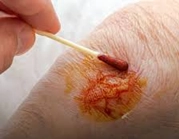
2. People with Diabetes5, 6
- Diabetic neuropathy and poor circulation delay wound healing and increase infection risk.
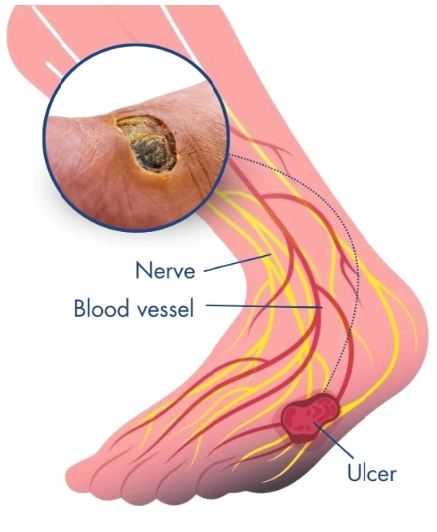
- Daily foot checks, proper footwear, and gentle cleaning with saline or antiseptic solution are key preventive steps.
- maintaining good glycemic control, using protective footwear, and promptly consulting a doctor for any wounds can prevent ulcers and complications.
3. Bedridden Patients7-9
- Bedridden individuals are prone to pressure ulcers due to prolonged immobility.
- Changing position every two hours, using pressure-relieving mattresses, and keeping the skin clean and dry are crucial.

- Applying antiseptic agents to early-stage pressure sores, ensuring adequate protein intake, and caregiver vigilance help in faster recovery.
4. Children10,11
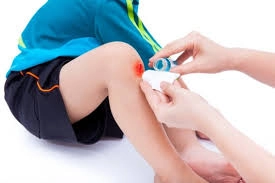
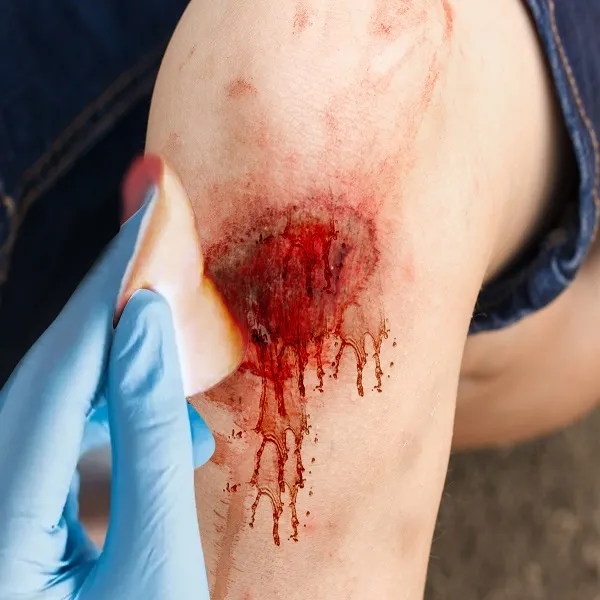
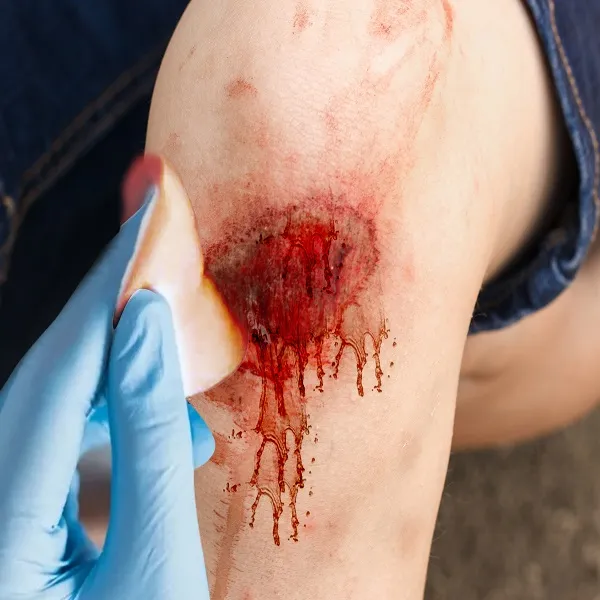
- Children often sustain minor cuts and scrapes while playing, which may get infected if not cleaned properly.
- Wash wounds gently with clean water or saline, apply a mild antiseptic such as povidone-iodine, and cover with a clean dressing.
- Ensure tetanus vaccination is up to date and monitor for redness, pus, or swelling indicating infection.
5. Pregnant Women12
1. Hormonal and skin changes during pregnancy can delay healing and increase sensitivity to chemicals.
2. Clean wounds gently with water or saline, use mild antiseptics only under medical advice, and avoid harsh or alcohol-based products.
3. Adequate intake of protein, iron, and vitamins, hydration, and early consultation before using any wound-care product are recommended.4
Povidone-Iodine: A Complete Wound Care Solution
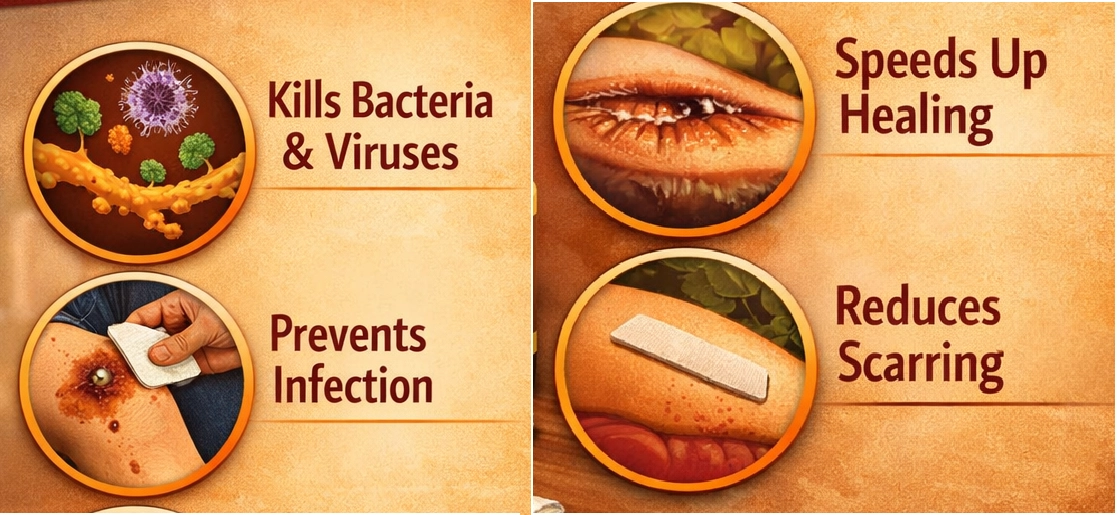
Povidone-iodine is a well-established antiseptic known for its effectiveness against a wide range of pathogens, including bacteria, viruses, fungi, and protozoa. Its safety profile and versatility make it suitable for use in diverse patient populations, including the elderly, individuals with diabetes, pregnant women, and children.13 However, usage should always follow medical guidance, particularly in individuals with iodine allergies.
Conclusion
Tailored wound care improves outcomes in vulnerable populations. Seniors need gentle management, people with diabetes require strict infection control, bedridden patients benefit from preventive care for pressure injuries, and both children and pregnant women need safe antiseptic solutions. Povidone-iodine remains a reliable option for varied wound care needs.
References
1. Ernstmeyer K, Christman E, editors. Chapter 20: Wound Care. In: Nursing Skills [Internet]. Eau Claire (WI): Chippewa Valley Technical College; 2021. [cited 2025 Jul 25]. Available from: https://www.ncbi.nlm.nih.gov/books/NBK593201/
2. Thomas DR. Age-related changes in wound healing. Adv Skin Wound Care. 2001;14(6):312–320.
3. Guo S, DiPietro LA. Factors affecting wound healing. J Dent Res. 2010;89(3):219–229.
4. Baranoski S, Ayello EA. Wound Care Essentials: Practice Principles. 5th ed. Philadelphia: Wolters Kluwer; 2020.
5. American Podiatric Medical Association. Diabetic wound care. Available from: https://www.apma.org/patients-and-the-public/conditions-affecting-the-foot-and-ankle/diabetic-wound-care/
6. Lipsky BA, et al. 2012 Infectious Diseases Society of America clinical practice guideline for diabetic foot infections. Clin Infect Dis. 2012;54(12):e132–173.
7. Jaul E, Barron J, Rosenzweig JP, Menczel J. An overview of pressure ulcer pathophysiology and risk factors. Int Wound J. 2018;15(1):217–225.
8. National Pressure Injury Advisory Panel (NPIAP). Prevention and Treatment of Pressure Ulcers/Injuries: Clinical Practice Guideline. 2019.
9. European Pressure Ulcer Advisory Panel, NPIAP, Pan Pacific Pressure Injury Alliance. Prevention and Treatment of Pressure Ulcers/Injuries: Clinical Practice Guideline. 2019.
10. Nationwide Children’s Hospital. Small cuts and scrapes. Available from: https://www.nationwidechildrens.org/conditions/health-library/small-cuts-and-scrapes
11. Centers for Disease Control and Prevention (CDC). Tetanus: For Clinicians. Available from: https://www.cdc.gov/tetanus
12. Kerr OA, Ferguson J, Attili SK, et al. Dermatologic and cosmetic procedures in pregnancy. J CutanAesthet Surg. 2012;5(2):77–87.
13. Bigliardi PL, Alsagoff SAL, El-Kafrawi HY, Pyon JK, Wa CTC, Villa MA. Povidone iodine in wound healing: A review of current concepts and practices. Int J Surg. 2017;44:260–8.
Recent FAQs



Related FAQs






Medtalks is India's fastest growing Healthcare Learning and Patient Education Platform designed and developed to help doctors and other medical professionals to cater educational and training needs and to discover, discuss and learn the latest and best practices across 100+ medical specialties. Also find India Healthcare Latest Health News & Updates on the India Healthcare at Medtalks







Please login to comment on this article