
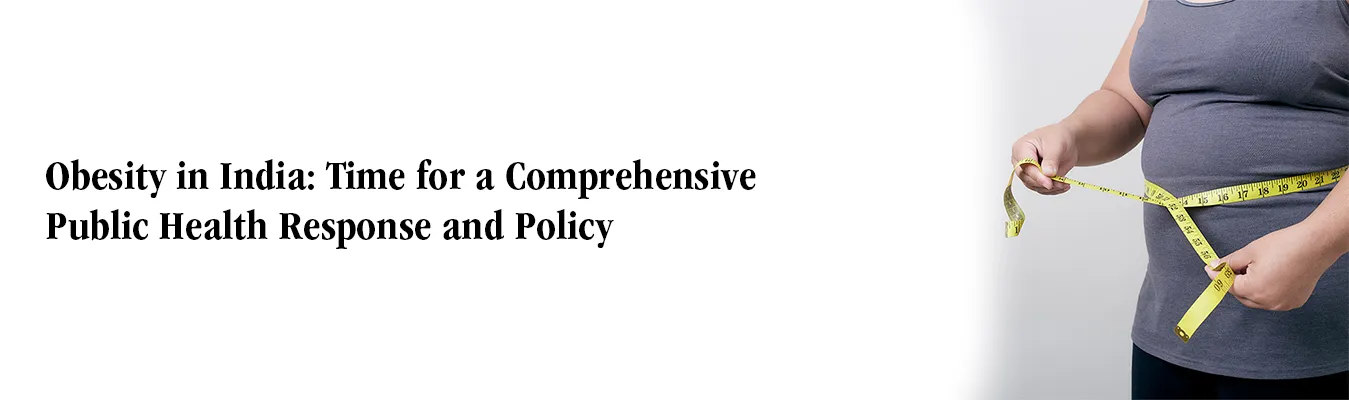

Obesity in India: Time for a Comprehensive Public Health Response and Policy
Dr MV Rama Mohan, Consultant Endocrinologist, Diabetes & Endocrine Clinic, Pogathota
Nellore AP
Addressing obesity in India requires a shift from fragmented efforts to coordinated policies that strengthen prevention, early diagnosis, and long-term care.
Obesity has emerged as a major public health concern in India, with consequences that extend far beyond excess body weight. As its prevalence continues to rise across age groups and populations, the burden of obesity-related diseases and healthcare costs is expected to increase substantially. This growing challenge calls for a broader, more coordinated response that addresses obesity as a chronic, complex disease rather than merely a consequence of unhealthy lifestyle choices.
The way obesity is perceived has important implications for its management. Misconceptions and stigma often delay diagnosis, discourage individuals from seeking medical care, and undermine long-term treatment success. Equally important is the recognition that obesity is influenced by biological, environmental, psychological, and social factors, making sustained weight management far more complex than simply advising individuals to eat less and exercise more.
A comprehensive response must therefore extend beyond the healthcare setting. Improving access to affordable nutritious foods, creating safe spaces for physical activity, strengthening public awareness, and integrating obesity education into schools and communities are essential steps toward prevention. At the same time, healthcare systems need to be equipped with standardized clinical pathways, trained
professionals, multidisciplinary care teams, and better access to evidence-based treatment options to ensure timely diagnosis and effective long-term management.
Primary care physicians have a pivotal role in early identification and ongoing care, but meaningful progress will require collaboration across government, healthcare, education, and community sectors. Sustained investment in surveillance, research, professional training, and public health initiatives will be critical to understanding the evolving burden of obesity and evaluating the impact of interventions.
India has an opportunity to redefine its approach to obesity by combining prevention with comprehensive clinical care. Recognizing obesity as a national public health priority and implementing coordinated policy reforms can help reduce its health, social, and economic consequences and improve the well-being of millions of people living with this chronic disease.
(Reference: Kalra S, Kesavadev J, Goel R, Lakdawala M, Agrawal V, Malhotra N, Kapoor N, Deshpande N, Desai A, Mohan V, Khadgawat R. Burden of Obesity in India: Need for Policy Changes to Attain Highest Possible Level of Health and Well‐Being. Clinical Obesity. 2026 Apr;16(2):e70072. )
Recent FAQs



Related FAQs







Medtalks is India's fastest growing Healthcare Learning and Patient Education Platform designed and developed to help doctors and other medical professionals to cater educational and training needs and to discover, discuss and learn the latest and best practices across 100+ medical specialties. Also find India Healthcare Latest Health News & Updates on the India Healthcare at Medtalks







Please login to comment on this article