

 IJCP Editorial Team
Neonatal Paenibacillusthiaminolyticus Infection: A Rare Case of Sepsis and Meningoencephalitis
Introduction:
The Paenibacillus genus comprises saprophytic, gram-variable, facultatively anaerobic organisms commonly found in soil, water, plants, feces, and diseased insect larvae. Human infections are exceedingly rare. Reported cases typically involve immunocompromised hosts, adults with a history of intravenous drug use, or individuals with prosthetic medical devices. Only a few neonatal infections have been described in the literature. This report presents the second published case of pediatric meningoencephalitis caused by Paenibacillusthiaminolyticus in a preterm infant with intrauterine drug exposure (IUDE).
Case Report:
A 37-day-old male infant, born at 33 weeks’ gestation, presented to the Emergency Department with acute onset of poor feeding, pallor, and unresponsiveness at home. On examination, the infant was cyanotic, apneic, and hypotonic. Vital signs showed hypotension and hypothermia. Laboratory evaluation demonstrated metabolic acidosis and an elevated C-reactive protein, with a normal white blood cell count. A respiratory viral pathogen panel was negative.
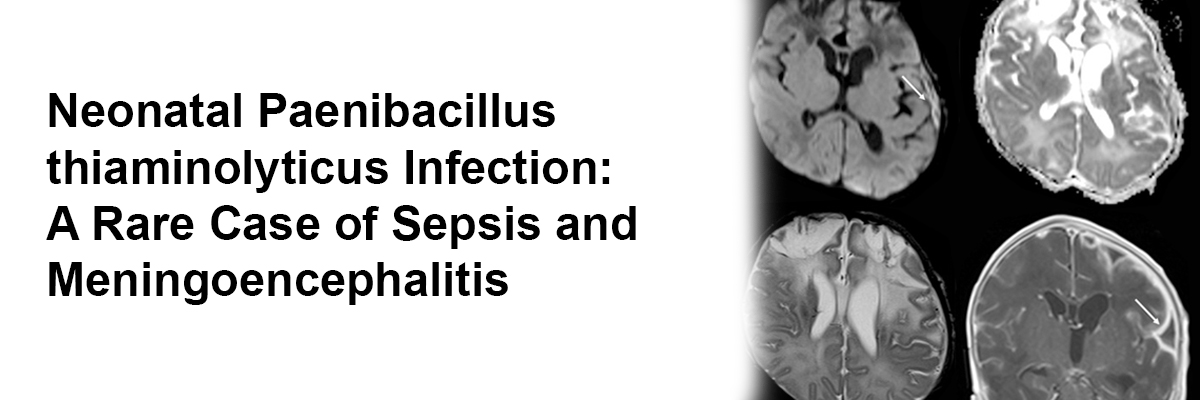
Aerobic blood cultures and cerebrospinal fluid (CSF) cultures grew Paenibacillusthiaminolyticus within 24 hours. Cranial ultrasound and magnetic resonance imaging revealed findings concerning for liquefactive meningoencephalitis. The infant was admitted to the neonatal intensive care unit (NICU) for intensive management. Despite supportive care, the infant was discharged home on a “do not resuscitate/do not intubate” (DNR/DNI) status due to poor neurological prognosis and subsequently died at 11 months of age.
Conclusion:
Although Paenibacillus species are ubiquitous environmental organisms, they can cause rapidly progressive, severe, and often fatal infections in neonates. This case represents the second reported instance of P. thiaminolyticus meningoencephalitis in a preterm infant with IUDE, suggesting that prematurity and intrauterine drug exposure may be important risk factors for severe disease.
IJCP Editorial Team
Comprising seasoned professionals and experts from the medical field, the IJCP editorial team is dedicated to delivering timely and accurate content and thriving to provide attention-grabbing information for the readers. What sets them apart are their diverse expertise, spanning academia, research, and clinical practice, and their dedication to upholding the highest standards of quality and integrity. With a wealth of experience and a commitment to excellence, the IJCP editorial team strives to provide valuable perspectives, the latest trends, and in-depth analyses across various medical domains, all in a way that keeps you interested and engaged.
More FAQs by IJCP Editorial Team









Recent FAQs



Related FAQs





Medtalks is India's fastest growing Healthcare Learning and Patient Education Platform designed and developed to help doctors and other medical professionals to cater educational and training needs and to discover, discuss and learn the latest and best practices across 100+ medical specialties. Also find India Healthcare Latest Health News & Updates on the India Healthcare at Medtalks







Please login to comment on this article