
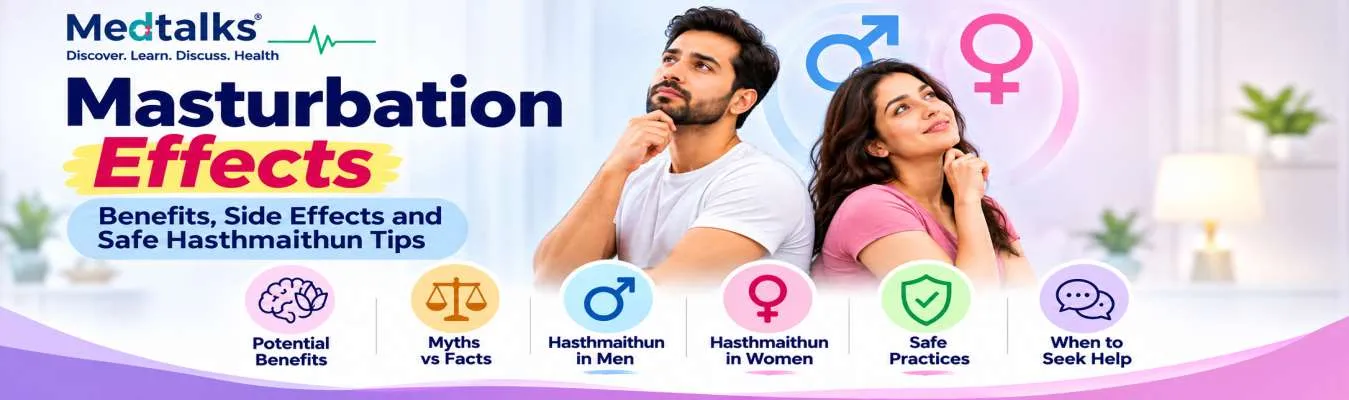

Masturbation Effects: Benefits, Side Effects and Safe Hasthmaithun Tips for Men and Women
Masturbation, commonly known as hasthmaithun
(हस्तमैथुन),
is a natural form of sexual activity in which a person stimulates their own
genitals for sexual pleasure. It is practised by people of different ages and
genders. However, many people have questions about its effects on physical
health, mental well-being, fertility and sexual performance.
Is masturbation harmful? Does it cause weakness or
infertility? Are there differences between hasthmaithun in men and women?
Understanding the facts can help people make informed decisions about their
sexual health.
What Is Masturbation (Hasthmaithun)?
Hasthmaithun refers to self-stimulation of the genitals,
sometimes leading to orgasm. It is a common sexual behaviour and, when
practised comfortably and privately, is generally considered normal.
There is no medically established frequency that is right
for everyone. Some people masturbate frequently, others occasionally, and some
do not masturbate at all. These differences are generally normal.
Benefits and Positive Effects of Masturbation
Masturbation may offer several benefits for some
individuals:
1. Helps relieve stress: Sexual stimulation and
orgasm may promote relaxation and temporarily reduce stress.
2. May improve sleep: Some people feel relaxed or
sleepy after orgasm, which may help them fall asleep.
3. Helps understand your body: Masturbation can help
individuals understand their sexual responses, preferences and comfort levels.
4. Supports sexual well-being: Learning about
personal sexual responses may help people communicate their preferences with a
partner.
5. No pregnancy risk from solo masturbation: Masturbation
by yourself cannot cause pregnancy. It also does not transmit sexually
transmitted infections when no infected partner or shared contaminated sexual
item is involved.
Hasthmaithun in Men: Effects and Common Questions
Hasthmaithun
in men is common and is not generally harmful when it does not cause
injury or interfere with everyday life.
Some commonly reported experiences include:
- Temporary
relaxation after ejaculation.
- Temporary
changes in sexual sensitivity.
- A
short recovery period before another erection or ejaculation.
- Temporary
skin irritation if stimulation is too rough or frequent.
Masturbation does not normally cause permanent weakness,
infertility, reduced masculinity or permanent erectile dysfunction. Sperm
production continues naturally, and ejaculation does not permanently deplete
sperm.
If you experience persistent pain, blood in semen, erection
difficulties or other unusual symptoms, consult a qualified healthcare
professional.
Hasthmaithun in Women: Effects and Benefits
Hasthmaithun
in women is also a normal form of sexual self-exploration. It can help
women understand their bodies and identify what feels comfortable.
Potential benefits include:
- Improved
awareness of sexual preferences.
- Temporary
relaxation and stress relief.
- Better
understanding of sexual arousal and orgasm.
- A
greater sense of comfort discussing sexual needs.
Masturbation does not damage the uterus, affect menstrual
cycles or cause infertility. However, rough stimulation or unhygienic practices
may cause irritation or minor injuries.
Persistent genital pain, unusual discharge or bleeding
should be discussed with a healthcare professional.
Hasthmaithun Tips: How to Practise It Safely
Following basic hygiene and safety practices can help
prevent irritation and discomfort.
- Maintain
hygiene: Wash your hands before and after masturbation.
- Be
gentle: Avoid excessive pressure or rough movements that may damage
sensitive skin.
- Use
suitable lubrication: A body-safe lubricant can help reduce friction
and irritation.
- Keep
personal items clean: Clean sex toys according to their manufacturer's
instructions and avoid sharing them without appropriate cleaning and
protection.
- Respect
your comfort: Stop if you experience pain, burning or discomfort.
- Choose
privacy: Masturbation should take place in a private and comfortable
setting.
There is no need to follow a fixed masturbation schedule.
Your comfort and well-being matter more than frequency.
Common Myths About Masturbation
Several misconceptions about hasthmaithun create unnecessary
fear and embarrassment.
|
Myth |
Medical fact |
|
Masturbation causes permanent weakness |
There is no good evidence supporting this claim. |
|
It causes infertility |
Normal masturbation does not cause infertility. |
|
It reduces penis size |
Masturbation does not permanently change penis size. |
|
It causes blindness |
This is a medical myth. |
|
Women should not masturbate |
Masturbation can be a normal behaviour for women too. |
|
Masturbation always causes erectile dysfunction |
It does not generally cause permanent erectile
dysfunction. |
When Can Masturbation Become a Concern?
Masturbation itself is not usually a health problem.
However, it may need attention if:
- It
interferes with work, studies, relationships or daily responsibilities.
- You
feel unable to control the behaviour despite wanting to.
- It
causes physical pain, injury or persistent irritation.
- You
experience significant guilt, anxiety or emotional distress.
If these concerns affect your daily life, consider speaking
with a qualified doctor or mental health professional.
Is Masturbation Different from Oral Sex?
Yes. Masturbation involves self-stimulation, whereas oral
sex involves oral contact with a partner's genitals or anus. Oral sex can
transmit certain sexually transmitted infections (STIs), including herpes,
gonorrhoea, syphilis and HPV.
Adults exploring partnered intimacy can learn about tips
to have oral sex safe, including consent, personal hygiene and barrier
protection such as condoms or dental dams.
Frequently Asked Questions
1. Is daily masturbation harmful?
Daily masturbation is not automatically harmful. It becomes
a concern if it causes physical discomfort or interferes with everyday
responsibilities.
2. Does masturbation reduce sperm count?
Masturbation does not cause permanent reduction in sperm
production. Semen volume may temporarily vary depending on the time since the
previous ejaculation.
3. Can women masturbate safely?
Yes. Hasthmaithun in women is generally safe when practised
gently with proper hygiene and without causing discomfort.
4. Does masturbation cause hair loss?
There is no reliable scientific evidence that masturbation
causes hair loss.
5. Should someone stop masturbating completely?
There is no general medical requirement to stop
masturbation. Individuals can make personal choices based on their comfort,
values and health.
Conclusion
Masturbation or hasthmaithun is generally a normal part of
human sexuality. Whether practised by men or women, it does not normally cause
infertility, permanent weakness or other commonly claimed health problems.
Maintaining hygiene, avoiding excessive friction and
understanding personal comfort are important for healthy sexual behaviour. If
you experience pain, injury or distress related to masturbation, seek
professional medical guidance.
For more reliable information about sexual wellness,
reproductive health and common sexual health concerns, explore the educational
resources available on Medtalks.

Recent FAQs



Related FAQs

Medtalks is India's fastest growing Healthcare Learning and Patient Education Platform designed and developed to help doctors and other medical professionals to cater educational and training needs and to discover, discuss and learn the latest and best practices across 100+ medical specialties. Also find India Healthcare Latest Health News & Updates on the India Healthcare at Medtalks







Please login to comment on this article