

 IJCP Editorial Team
Managing Childhood and Adolescent Atopic Dermatitis in Primary Care
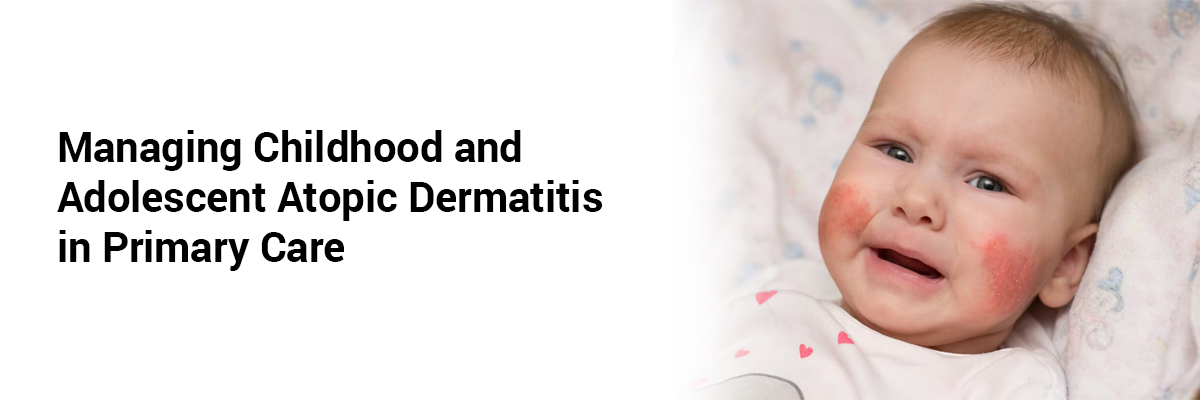
Atopic dermatitis (AD) remains one of the most common chronic inflammatory diseases of childhood, frequently first encountered in primary care. Primary care providers (PCPs) play a pivotal role—not only in early diagnosis, but also in long-term management, treatment optimization, and timely referral. As therapeutic options expand and practice expectations evolve, clarity on practical, evidence-aligned management pathways is essential.
In this context, a US expert group conducted a systematic review followed by a structured, modified Delphi process to generate consensus-based recommendations for managing AD in patients younger than 18 years. The process yielded 25 statements across four critical domains: defining disease control, therapeutic strategies (current and emerging), referral pathways, and enhancing the patient–caregiver experience. Consensus was achieved for 24 of these, underscoring strong alignment among experts on core principles of pediatric AD care.
Notably, nine statements received unanimous endorsement. Four of these are directly relevant to topical therapy—the cornerstone of AD management in primary care. The experts emphasized:
• The necessity of anti-inflammatory treatment to achieve clear or nearly clear skin, reinforcing early and appropriate use of topical corticosteroids and calcineurin inhibitors.
• Individualized treatment planning, with decisions tailored to the patient’s age, disease severity, comorbidities, and family preferences.
• Seamless coordination between PCPs and specialists, recognizing that shared care improves outcomes, especially for children with moderate-to-severe or refractory disease.
• Active engagement of patients and caregivers in shared decision-making, which enhances adherence, reduces treatment fatigue, and improves satisfaction.
This consensus offers a practical framework that can empower PCPs to manage AD more effectively, reduce treatment delays, and ensure that children and adolescents receive consistent, coordinated, and patient-centered care. By strengthening the interface between primary and specialty care, these recommendations have the potential to meaningfully improve quality of life for young patients and their families.
Source: The Journal of Pediatrics: Clinical Practice, Volume 14, December 2024, 200121
IJCP Editorial Team
Comprising seasoned professionals and experts from the medical field, the IJCP editorial team is dedicated to delivering timely and accurate content and thriving to provide attention-grabbing information for the readers. What sets them apart are their diverse expertise, spanning academia, research, and clinical practice, and their dedication to upholding the highest standards of quality and integrity. With a wealth of experience and a commitment to excellence, the IJCP editorial team strives to provide valuable perspectives, the latest trends, and in-depth analyses across various medical domains, all in a way that keeps you interested and engaged.
More FAQs by IJCP Editorial Team









Recent FAQs



Related FAQs









Medtalks is India's fastest growing Healthcare Learning and Patient Education Platform designed and developed to help doctors and other medical professionals to cater educational and training needs and to discover, discuss and learn the latest and best practices across 100+ medical specialties. Also find India Healthcare Latest Health News & Updates on the India Healthcare at Medtalks







Please login to comment on this article