

 IJCP Editorial Team
Severe Neutropenia in a Preterm Neonate
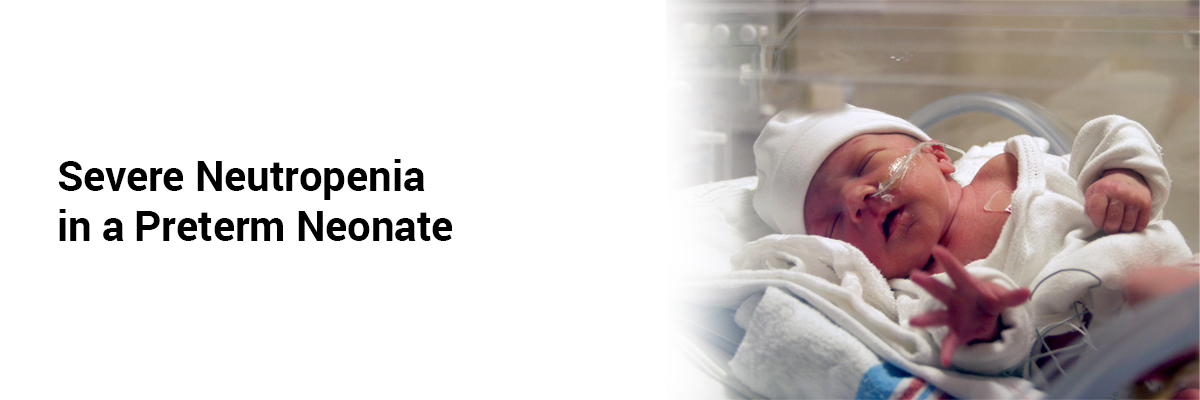
We describe a preterm infant with congenital heart disease who developed severe neutropenia temporally associated with furosemide administration.
The infant was born at 32 3/7 weeks’ gestation with large ventricular septal defects and congestive heart failure. Oral furosemide was initiated on day of life (DOL) 17, after which neutrophil counts progressively declined, reaching a nadir absolute neutrophil count (ANC) of 190 cells/µL by DOL 59. Furosemide was discontinued on DOL 63, and neutrophil counts recovered within four days. Two months later, during rehospitalization for VSD closure, intravenous furosemide was administered postoperatively and was again followed by a decline in neutrophil percentage and ANC.
Alternative causes of neutropenia, including infection, physiologic neutrophil nadir, and drug–drug interactions, were unlikely to fully explain the severity and recurrence of the hematologic changes. Application of the Naranjo adverse drug reaction probability scale yielded a score of 5, indicating furosemide as a probable cause of neutropenia.
This case highlights a rare but clinically significant potential adverse effect of furosemide in preterm infants. Given the risks associated with severe neonatal neutropenia, clinicians should consider monitoring neutrophil counts in infants receiving prolonged or repeated furosemide therapy.
IJCP Editorial Team
Comprising seasoned professionals and experts from the medical field, the IJCP editorial team is dedicated to delivering timely and accurate content and thriving to provide attention-grabbing information for the readers. What sets them apart are their diverse expertise, spanning academia, research, and clinical practice, and their dedication to upholding the highest standards of quality and integrity. With a wealth of experience and a commitment to excellence, the IJCP editorial team strives to provide valuable perspectives, the latest trends, and in-depth analyses across various medical domains, all in a way that keeps you interested and engaged.
More FAQs by IJCP Editorial Team









Recent FAQs



Related FAQs






Medtalks is India's fastest growing Healthcare Learning and Patient Education Platform designed and developed to help doctors and other medical professionals to cater educational and training needs and to discover, discuss and learn the latest and best practices across 100+ medical specialties. Also find India Healthcare Latest Health News & Updates on the India Healthcare at Medtalks







Please login to comment on this article