
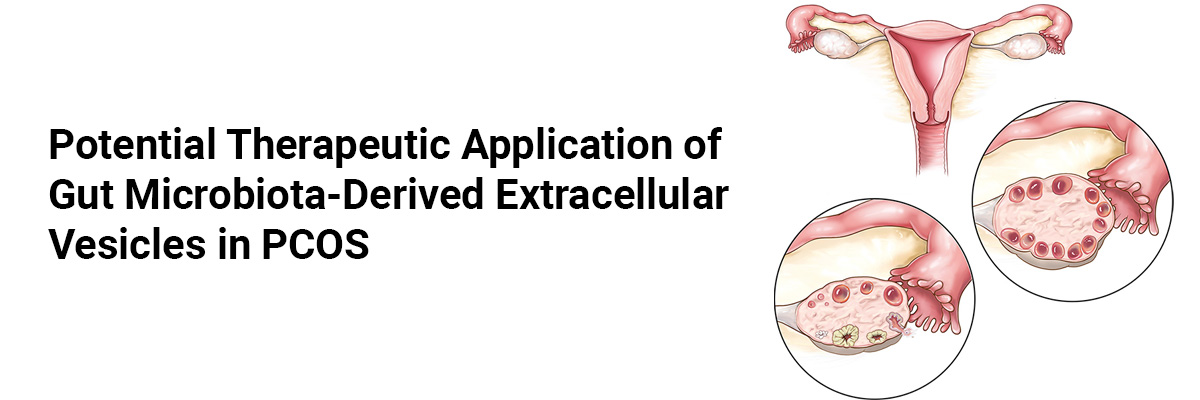

Potential therapeutic application of gut microbiota-derived extracellular vesicles in PCOS
PCOS – a common endocrine and metabolic disorder in women of reproductive age, is marked by characteristics such as androgen excess, ovarian dysfunction, insulin resistance (IR), and obesity. This condition increases the risk of long-term complications like cardiovascular disease and type 2 diabetes mellitus (T2D). The gut microbiota contributes to PCOS pathogenesis by affecting the host's endocrine, metabolic, and inflammatory status, as well as the gut-brain axis.
Gut microbiota-derived extracellular vesicles (GMEVs) may enhance beneficial bacterial growth while inhibiting pathogenic bacteria – and, hence, could be a potential treatment for polycystic ovary syndrome (PCOS).
A new narrative review suggested that GMEVs can address metabolic disorders in PCOS by improving glucose and lipid metabolism and reducing adipose tissue inflammation. The bioactive anti-inflammatory components of GMEVs may help to alleviate chronic inflammation associated with PCOS. GMEVs also represent a novel drug delivery system, offering a promising therapeutic strategy for managing PCOS.
GMEVs are lipid bilayer nanoparticles secreted by gut microbiota, containing – proteins, lipids, and nucleic acids. These serve as signaling molecules to facilitate interactions between bacteria and host cells. GMEVs regulate various cellular processes through the delivery of bioactive substances. Their low toxicity and high stability make GMEVs a potential platform for innovative drug delivery systems.
Research indicates that gut microbiota dysbiosis correlates with metabolic dysfunctions in PCOS, with significant changes observed in the gut microbiota composition related to androgen metabolism, insulin resistance, and chronic inflammation. The gut microbiota's interaction with the gut-brain axis suggests that GMEVs could influence neurological functions and hormonal regulation, highlighting their therapeutic potential for PCOS management.
Future studies are needed to explore the mechanisms by which GMEVs can impact PCOS and to develop them into effective diagnostic and therapeutic tools.
Source: Yang L, Liu T, Liao Y, et al. Biomedicine & Pharmacotherapy. 2024 Nov 1;180:117504.


Recent FAQs



Related FAQs










Medtalks is India's fastest growing Healthcare Learning and Patient Education Platform designed and developed to help doctors and other medical professionals to cater educational and training needs and to discover, discuss and learn the latest and best practices across 100+ medical specialties. Also find India Healthcare Latest Health News & Updates on the India Healthcare at Medtalks







Please login to comment on this article