
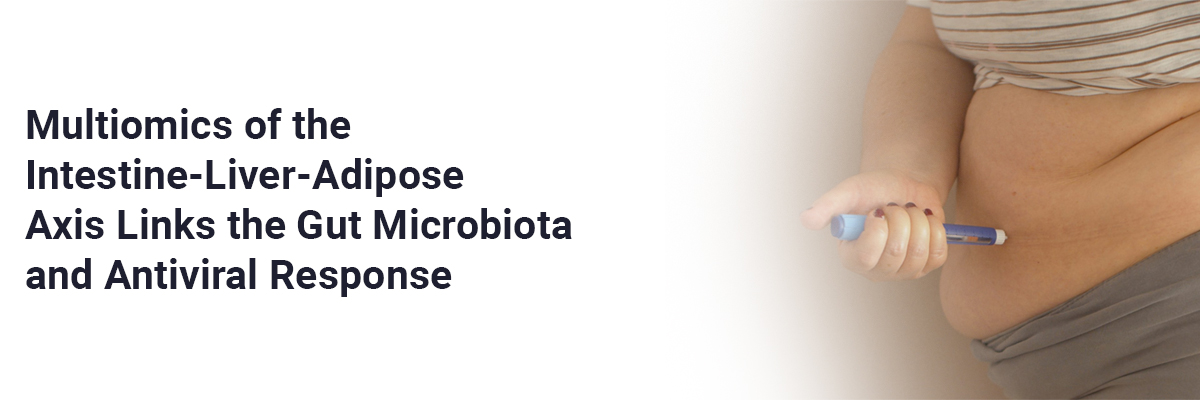

Multiomics of the intestine-liver-adipose axis links the gut microbiota and antiviral response
The microbiota is increasingly recognized as a critical factor influencing insulin resistance and obesity. A new study aimed to explore the relationship between gut microbiota and insulin sensitivity across multiple tissues – using an integrative multiomics approach across six studies.
Four of the studies included euglycaemic clamp measurements, while other glucose metabolism markers such as glycemic hemoglobin (HbA1c) and fasting glucose were also assessed.
It was found that several genera and species from the Proteobacteria phylum were consistently linked to lower insulin sensitivity. Transcriptomic analysis of the jejunum, ileum, and colon revealed T cell-related signatures positively associated with insulin sensitivity, while Proteobacteria in the ileum and colon were negatively associated with T cell counts and positively correlated with HbA1c. Deoxycholic acid in the jejunum negatively impacted insulin sensitivity. In subcutaneous and visceral adipose tissue, T cell-related signatures were linked to insulin sensitivity and HbA1c levels.
Further, multiomics analysis connected fecal Proteobacteria with deoxycholic acid in the jejunum and liver, as well as transcriptomic signatures related to insulin and T cell signaling in the jejunum, liver, and visceral adipose tissue. In addition, fasting glucose was consistently linked to interferon-induced genes and antiviral responses in the intestine and visceral fat. These findings were supported by Drosophila melanogaster models, validating the human insulin sensitivity-associated changes.
The findings provide a comprehensive view of the microbiome-gut-adipose-liver axis and its role in insulin regulation, offering potential therapeutic targets for managing insulin resistance.
Source: Castells-Nobau A, Moreno-Navarrete JM, de la Vega-Correa L, et al. Gut. Published online October 2, 2024. doi:10.1136/gutjnl-2024-332602


Recent FAQs


Related FAQs









Medtalks is India's fastest growing Healthcare Learning and Patient Education Platform designed and developed to help doctors and other medical professionals to cater educational and training needs and to discover, discuss and learn the latest and best practices across 100+ medical specialties. Also find India Healthcare Latest Health News & Updates on the India Healthcare at Medtalks







Please login to comment on this article