
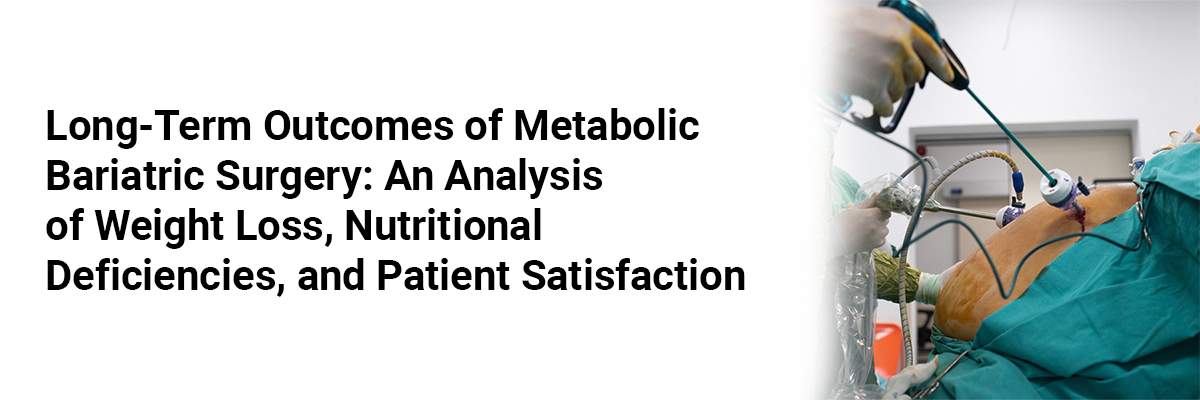

Long-Term Outcomes of Metabolic Bariatric Surgery: An Analysis of Weight Loss, Nutritional Deficiencies, and Patient Satisfaction
This five-year retrospective study examined the long-term effects of metabolic bariatric surgery (MBS) on weight loss, nutritional deficiencies, and patient satisfaction, comparing various surgical techniques to recognise their impact on these outcomes.
The researchers included 249 patients who had MBS and the average age of participants was 38.5 years, with an average weight of 118.5 kg and a BMI of 43.2 kg/m². Weight loss was measured by the percentage of excess weight loss (%EWL) at 60 months. The surgical techniques assessed included laparoscopic sleeve gastrectomy (LSG), one anastomosis gastric bypass (OAGB), and Roux-en-Y gastric bypass (RYGB). Nutritional deficiencies and patient-reported quality of life were also analyzed.
The outcome revealed:
- The average %EWL at 60 months was 92.1% ± 25.8%.
- LSG and OAGB showed similar weight loss, while RYGB led to continued weight reduction after three years.
- Patients who transitioned from LSG to RYGB experienced greater weight loss (102.1%) than those who switched to mini-gastric bypass (MGB) (84.6%).
- Nutritional deficiencies were common, with 41.2% of LSG revision patients facing iron deficiency and 14.3% developing new vitamin D deficiencies.
- A majority of patients (85%) reported improved quality of life and would choose to undergo the surgery again.
In conclusion, MBS achieved significant and sustained weight loss, especially in RYGB patients. Surgical revisions, particularly from LSG to RYGB, led to enhanced weight loss but also raised nutritional risks. The prevalence of iron and vitamin D deficiencies underscores the need for personalized supplementation and ongoing monitoring. Targeted supplementation could enhance long-term nutritional support for bariatric patients. Further research with larger samples and validated assessment tools is warranted to validate these results and refine clinical guidelines.
Source: Gorini S, Camajani E, Franchi A, Cava E, Gentileschi P, Bellia A, Karav S, Sbraccia P, Caprio M, Lombardo M. Enhancing nutritional health and patient satisfaction five years after metabolic bariatric surgery with targeted supplementation. J Transl Med. 2025 Feb 21;23(1):216. doi: 10.1186/s12967-025-06224-9. PMID: 39984967; PMCID: PMC11846221.


Recent FAQs



Related FAQs










Medtalks is India's fastest growing Healthcare Learning and Patient Education Platform designed and developed to help doctors and other medical professionals to cater educational and training needs and to discover, discuss and learn the latest and best practices across 100+ medical specialties. Also find India Healthcare Latest Health News & Updates on the India Healthcare at Medtalks







Please login to comment on this article