
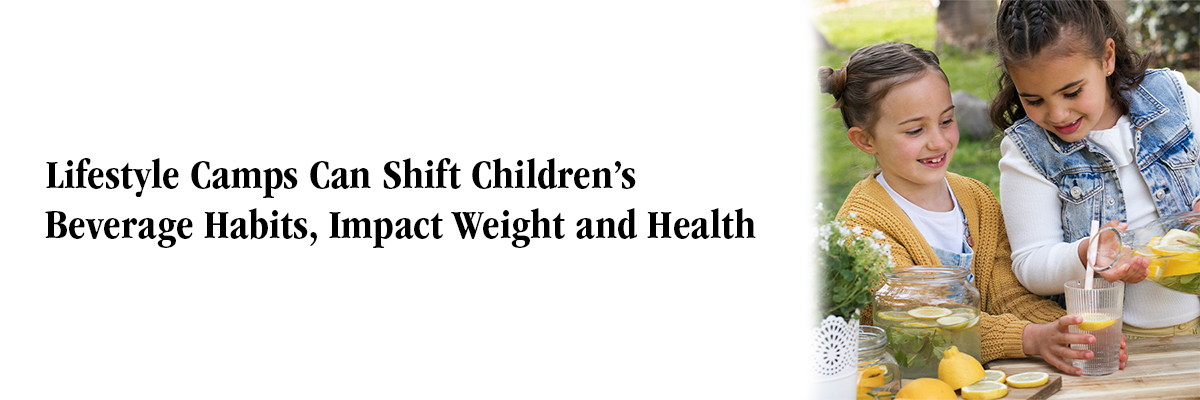
Lifestyle Camps Can Shift Children’s Beverage Habits, Impact Weight and Health
Dr Shivani Sidana, Bathinda
Lifestyle camps can improve children’s beverage choices and body composition, but long-term maintenance of these changes is difficult.
According to WHO data, childhood obesity is a growing global concern, with 390 million children and adolescents overweight in 2022, including 160 million living with obesity. Childhood obesity is linked to long-term health risks such as type 2 diabetes, cardiovascular disease, certain cancers, and emotional challenges, including low self-esteem and depression.
A recent study from the COPE project investigated the effects of a 10-week lifestyle camp on beverage consumption in 190 children aged 7–14 years with overweight or obesity. The program encouraged healthier habits through structured activities and dietary guidance. Results showed that during the camp, children significantly increased water intake (from 54% to 74% reporting high intake) and reduced sugar-sweetened beverages (SSBs), non-caloric beverages (NCBs), and chocolate milk. These changes, however, attenuated over time, with SSB and NCB intake returning close to baseline levels by the three-year follow-up.
Interestingly, increases in water and chocolate milk consumption were associated with reductions in BMI standard deviation scores, whereas higher water and NCB intake were associated with greater skeletal muscle mass. These findings suggest that targeted lifestyle interventions can promote healthier beverage choices and support improvements in weight and body composition, though maintaining long-term change remains challenging. Ongoing support and strategies to sustain these habits are crucial as children progress through adolescence.
(Reference: Jørgensen ME, Pauls DD, Ibsen DB, Bruun JM. Impact of Lifestyle Intervention on Long-Term Beverage Intake in Children with Overweight and Obesity: A 3-Year Follow-Up Study. Nutrients. 2026 Jan 1;18(1):147. )
Related FAQs






Medtalks is India's fastest growing Healthcare Learning and Patient Education Platform designed and developed to help doctors and other medical professionals to cater educational and training needs and to discover, discuss and learn the latest and best practices across 100+ medical specialties. Also find India Healthcare Latest Health News & Updates on the India Healthcare at Medtalks







Please login to comment on this article