
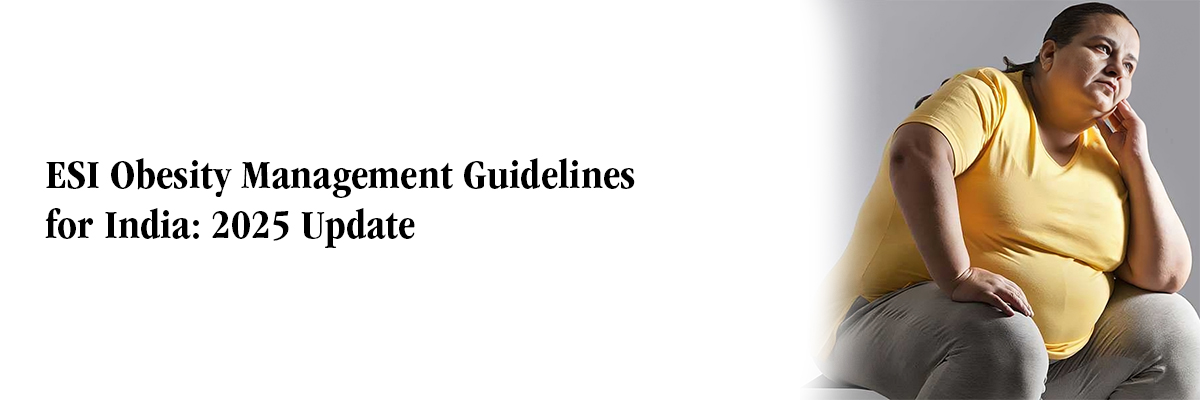

ESI Obesity Management Guidelines for India: 2025 Update
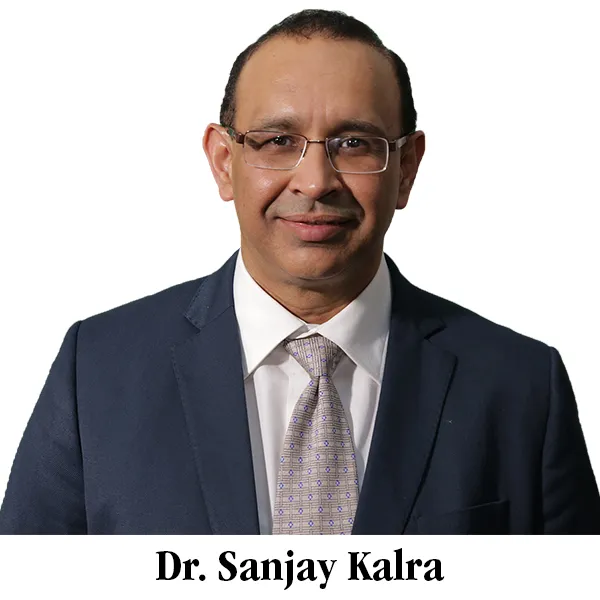
Dr Sarita Bajaj, Consultant Endocrinologist; Former Director-Professor and Head, Dept of Medicine, MLN Medical College, Prayagraj; Founder President SAFES (South Asian Federation of Endocrine Societies)
“The updated Indian obesity guidelines incorporated recent advances in epidemiology, pharmacotherapy, counseling, and psychosocial care, emphasized personalized, person-centered management, and complemented the 2022 recommendations rather than replacing them.”
The Endocrine Society of India released updated clinical practice recommendations for obesity management to address gaps that emerged after the 2022 guidelines, driven by new epidemiological data and treatment advances. Recent national estimates, including the ICMR-INDIAB survey, showed that nearly 254 million individuals in India have generalized obesity, with rising prevalence across children, young adults, and older populations. The guidelines highlighted the South Asian phenotype of “thin-fat obesity,” characterized by excess body fat despite a relatively low body mass index. In alignment with the Lancet Commission, obesity was described as a complex chronic disease requiring assessment beyond BMI and managed using a multidimensional, compassionate, and person-centered approach.
The update emphasized advances in pharmacotherapy, including GLP-1 receptor agonists such as liraglutide and semaglutide, dual agonists like tirzepatide, and emerging combination therapies such as Cagri-Sema. These agents demonstrated meaningful weight loss, improved glycemic control, and cardiometabolic benefits. Medication counseling was highlighted as essential, addressing benefits, limitations, adverse effects, cost, adherence, and the continued importance of lifestyle modification.
Obesity was also recognized as a social condition influenced by socioeconomic status, family support, and community environments. The guidelines recommended involving families in care, assessing social factors, and encouraging community and peer-led activities. Overall, the update reinforced individualized, person-centered obesity care and should be implemented alongside earlier ESI guidelines rather than as a standalone protocol.
(Source: https://pmc.ncbi.nlm.nih.gov/articles/PMC12410957/#sec9)
Recent FAQs




Related FAQs







Medtalks is India's fastest growing Healthcare Learning and Patient Education Platform designed and developed to help doctors and other medical professionals to cater educational and training needs and to discover, discuss and learn the latest and best practices across 100+ medical specialties. Also find India Healthcare Latest Health News & Updates on the India Healthcare at Medtalks







Please login to comment on this article