


Impact of Natural Medicines on Wound Healing
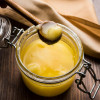
Traditional medicinal practices such as Ayurveda and Indian folk medicine have effectively utilized Honey, Ghee, Glycyrrhiza glabra, and Nerium indicum for wound treatment, known for promoting faster healing. However, the mechanisms of action at the tissue level, as well as the biochemical and molecular processes involved in healing, remain inadequately explored and documented. This study was designed to investigate the efficacy of these traditional remedies, both individually and in combination, on excision wounds in experimental animals.
Biomechanical, histological, and immunohistochemical (IHC) parameters were evaluated at the wound site at two different intervals (day 8 and day 16). The IHC analysis focused on the inflammatory response by measuring the levels of the cytokine IL-1β and assessed tissue remodeling by examining myofibroblast activity.
All treated groups exhibited rapid epithelization, improved remodeling, favorable inflammatory responses, and adequate myofibroblast activity at the wound site compared to the control group. Conclusion
Thus, the study offers insights into the mechanisms of action of these traditional medicines and offers valuable scientific evidence to support their use in wound healing.
Source: Kotian S, Bhat K, Pai S, Nayak J, Souza A, Gourisheti K, Padma D. The Role of Natural Medicines on Wound Healing: A Biomechanical, Histological, Biochemical and Molecular Study. Ethiop J Health Sci. 2018 Nov;28(6):759-770. doi: 10.4314/ejhs.v28i6.11. PMID: 30607093; PMCID: PMC6308760.


Recent FAQs

Related FAQs




Medtalks is India's fastest growing Healthcare Learning and Patient Education Platform designed and developed to help doctors and other medical professionals to cater educational and training needs and to discover, discuss and learn the latest and best practices across 100+ medical specialties. Also find India Healthcare Latest Health News & Updates on the India Healthcare at Medtalks







Please login to comment on this article