

Healing Hands: Benefits of Pediatric Massage in Infants and Young Children
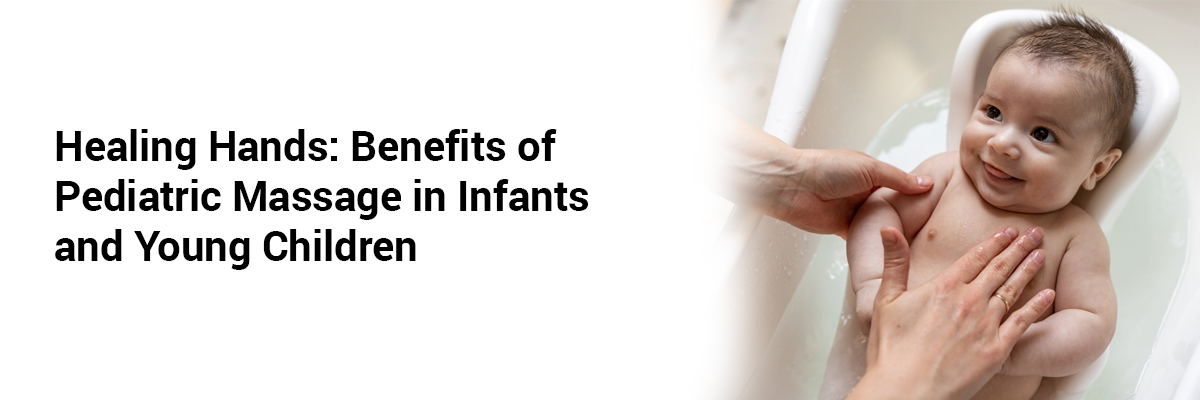
Pediatric massage is increasingly recognized as a valuable intervention for infants and children under five, offering benefits that extend across physical, developmental, and psychological domains. An umbrella review of 22 systematic reviews with meta-analyses, encompassing 81 outcomes, provides robust evidence supporting its efficacy.
High-quality evidence demonstrates that pediatric massage promotes physical growth, including increased weight and length, and enhances developmental outcomes, notably psychomotor indices. It also reduces behavioral distress, such as fussing, and supports physiological regulation, evidenced by lower bilirubin levels and improved oxygen saturation during procedures. Additionally, massage reduces digestive disturbances, including diarrhea, and strengthens mother-child attachment.
Despite these promising results, methodological quality varies, and reporting of adverse events remains limited. Future research should prioritize rigorous study design and comprehensive safety assessment.
Pediatric massage emerges as a safe, effective, and holistic intervention that can be integrated into routine care for young children, offering tangible benefits for both children and caregivers.


Recent FAQs



Related FAQs











Medtalks is India's fastest growing Healthcare Learning and Patient Education Platform designed and developed to help doctors and other medical professionals to cater educational and training needs and to discover, discuss and learn the latest and best practices across 100+ medical specialties. Also find India Healthcare Latest Health News & Updates on the India Healthcare at Medtalks







Please login to comment on this article