
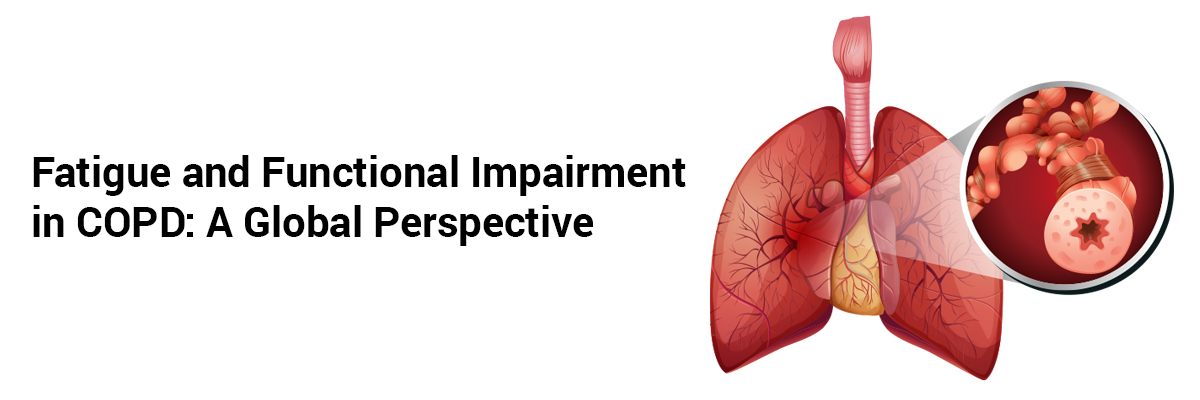

Fatigue and Functional Impairment in COPD: A Global Perspective
Nearly 60% of patients with chronic obstructive pulmonary disease (COPD) experience fatigue, according to a recent systematic review and meta-analysis published in Respiratory Medicine.1,2
This systematic review and meta-analysis evaluated the global prevalence of fatigue in patients with chronic obstructive pulmonary disease (COPD) along with its associated epidemiological characteristics. A total of 25 studies comprising 6830 patients, aged ≥18 years, from nine countries were included in the analysis following a comprehensive search of multiple databases from inception through August 2024. Studies analyzing prevalence of fatigue in COPD as an outcome indicator were eligible for inclusion in the analysis.
The pooled prevalence of fatigue among COPD patients was found to be 59% with patients reporting symptoms such as feeling sleepy, tired, or weak. Subgroup analyses further revealed substantial variation based on geographical region, clinical setting, fatigue assessment tools, and study publication year.
The pooled prevalence was 57% prior to 2020 and 63% from 2020 through August 2024. The reported prevalence of fatigue varied according to the assessment tool used, ranging from 41% in five studies utilizing the Functional Assessment of Chronic Illness Therapy-Fatigue Scale (FACIT) to 87% in two studies employing the Multidimensional Fatigue Inventory (MFI-20). Fatigue was more commonly reported in hospital settings (61%) compared to community settings (53%). Regionally, European countries had the lowest prevalence of fatigue (52%) followed by American countries (64%); the prevalence was highest in Asian countries (66%).2
This study showcases the high prevalence of fatigue among patients with COPD globally, which can significantly affect their day-to-day functioning and health status, including mental health. However, its impact on quality of life is frequently ignored in routine COPD care. Given its high prevalence, fatigue should be routinely evaluated in all COPD patients. To mitigate its adverse impact, clinicians should actively investigate the underlying mechanisms and contributing risk factors such as sleep disturbances, depression, medication side effects, or comorbid conditions, providing a foundation for future research and targeted interventions.
References
1. Respir Med. 2025 Mar:238:107969. doi: 10.1016/j.rmed.2025.107969.
2. Goldberg R. Available from: https://www.pulmonologyadvisor.com/news/fatigue-in-copd-seen-in-59-of-patients/#xd_co_f=MWE5YWY0YWEtMTJmOS00YjU1LTgwYzktNTE5ZTFjYjZkZWNi~. Dated March 5, 2025. Accessed on June 4, 2025.


Recent FAQs



Related FAQs









Medtalks is India's fastest growing Healthcare Learning and Patient Education Platform designed and developed to help doctors and other medical professionals to cater educational and training needs and to discover, discuss and learn the latest and best practices across 100+ medical specialties. Also find India Healthcare Latest Health News & Updates on the India Healthcare at Medtalks







Please login to comment on this article