
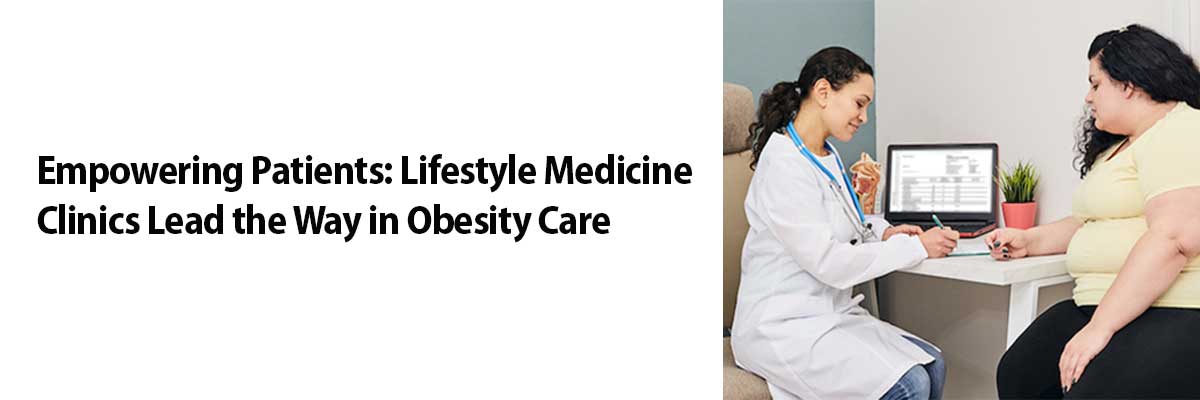
Empowering Patients: Lifestyle Medicine Clinics Lead the Way in Obesity Care
Dr Suneet Kumar Verma, Dept. of Internal Medicine, Alchemist Hospital, Panchkula, & Sparsh Clinic, Zirakpur, India
Lifestyle-focused, multidisciplinary care in primary care clinics significantly improves obesity-related health outcomes, with medication offering additional benefits for select patients.
Obesity is a growing challenge, affecting roughly one in three adults, with higher rates among women than men. Beyond the physical health risks, including diabetes, heart disease, and mental health concerns, obesity also impacts quality of life and economic productivity.
Lifestyle modification remains the foundation of effective obesity management. Approaches such as balanced nutrition, regular physical activity, sufficient sleep, stress management, and behavioral support have proven powerful in improving overall health. For patients who need extra support, medications like Liraglutide can complement lifestyle changes, especially for reducing central body fat.
A recent real-world study at Lifestyle Medicine Clinics in Riyadh evaluated over 600 adults with obesity. Patients participated in structured, multidisciplinary programs that included individualized dietary counseling, exercise guidance, and behavioral coaching. Those receiving Liraglutide alongside lifestyle interventions showed an additional reduction in waist circumference. Still, both medication and non-medication groups experienced meaningful improvements in weight, blood pressure, blood sugar, and metabolic health.
These findings highlight the transformative potential of lifestyle-focused care delivered in primary healthcare settings. While pharmacotherapy can provide targeted benefits, high-quality lifestyle interventions alone produce substantial health gains, reinforcing the importance of accessible, patient-centered programs that empower individuals to take charge of their health.
(Reference: AlTaib HN, AlAqeel R, Arafat AA, Kunnathodi F, AlShaikh A, AlOtaibi HF. Clinical and metabolic profile of adults with obesity attending lifestyle medicine clinics. PloS one. 2026 Feb 2;21(2):e0342153. )
Related FAQs








Medtalks is India's fastest growing Healthcare Learning and Patient Education Platform designed and developed to help doctors and other medical professionals to cater educational and training needs and to discover, discuss and learn the latest and best practices across 100+ medical specialties. Also find India Healthcare Latest Health News & Updates on the India Healthcare at Medtalks







Please login to comment on this article