
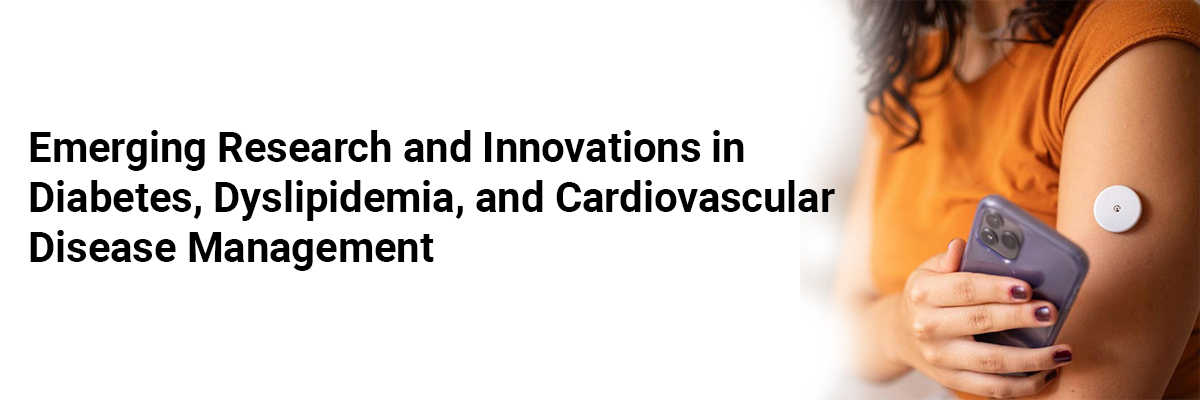

Emerging Research and Innovations in Diabetes, Dyslipidemia, and Cardiovascular Disease Management
Diabetes mellitus, dyslipidemia, and cardiovascular diseases are widespread chronic conditions in developed nations, leading to significant health issues and reduced quality of life. Recently introduced medications, including SGLT2 inhibitors, GLP-1 agonists, GIP agonists, and PCSK9 inhibitors, have shown effectiveness in large clinical trials. Ongoing research, including in vitro and in vivo studies, is crucial for uncovering their additional benefits beyond glucose control, such as lowering blood pressure, aiding weight loss, improving lipid profiles, and providing cardiac and renal protection.
There is also growing interest in repurposing existing medications like metformin and statins to target newly identified physiological pathways related to these diseases. Furthermore, new therapeutic agents may serve as important diagnostic markers, helping to predict diabetes complications.
Recent research found that metformin reduced levels of the pro-atherogenic molecule miR-199b-5p in type 1 diabetes patients. Dłuski et al. identified circular RNA hsa_circ_0002268 as a potential diagnostic marker for gestational diabetes in Polish women. Höpfinger et al. explored the complex roles of cathelicidin antimicrobial peptides in linking inflammation and cardiovascular disease in both experimental and human models. Dalle's review suggested that targeting specific protein kinases could enhance beta cell function and prevent diabetes. Chatzianagnostou et al. examined the novel applications of GLP-1 agonists and SGLT-2 inhibitors, including their potential for epigenetic modifications and oxidative stress reduction.
Additionally, Sirca et al. demonstrated that polyphenol supplementation could enhance paraoxonase 1 activity, which is protective against diabetes and other metabolic diseases. Another researcher reviewed the interaction between dietary polyphenols and gut microbiota, emphasizing that a diet rich in fruits and vegetables can improve metabolic health through anti-inflammatory and antioxidant effects.
Despite these advancements, challenges remain in managing cardio-metabolic diseases due to the high rates of complications and mortality. Ongoing research is essential to identify new molecules for diagnosis, prognosis, and treatment, as well as to explore further the pathophysiological mechanisms underlying diabetes, dyslipidemia, and cardiovascular disorders.
Source: Vesa CM, Bungău SG. Novel Molecules in Diabetes Mellitus, Dyslipidemia and Cardiovascular Disease 2.0. Int J Mol Sci. 2024 Sep 2;25(17):9527. doi: 10.3390/ijms25179527. PMID: 39273474; PMCID: PMC11394761.


Recent FAQs





Related FAQs









Medtalks is India's fastest growing Healthcare Learning and Patient Education Platform designed and developed to help doctors and other medical professionals to cater educational and training needs and to discover, discuss and learn the latest and best practices across 100+ medical specialties. Also find India Healthcare Latest Health News & Updates on the India Healthcare at Medtalks







Please login to comment on this article