
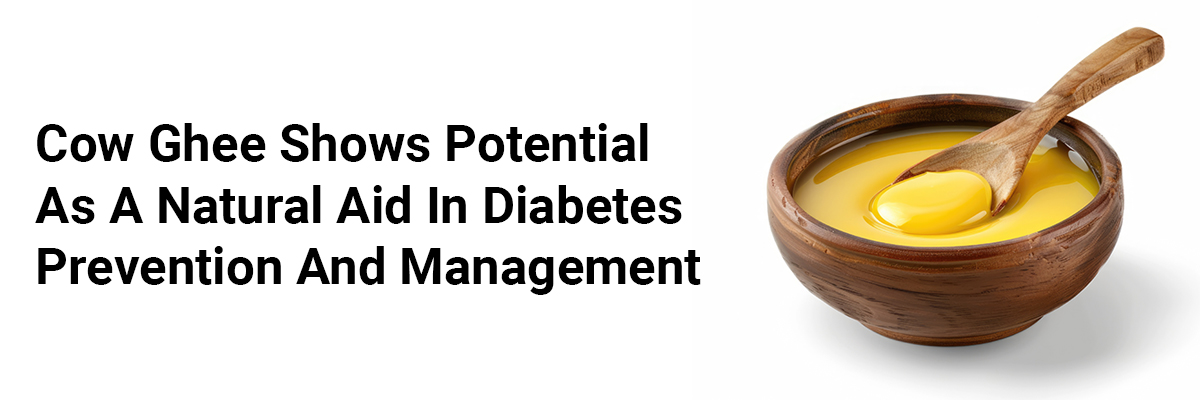

Cow Ghee Shows Potential as a Natural Aid in Diabetes Prevention and Management
India has one of the highest numbers of people living with diabetes. A recent review explored how cow ghee, long used in Indian diets and Ayurvedic medicine, may help prevent and manage diabetes, improving outcomes.
Learn about diabetes, its causes, symptoms, and effective management by Dr. Sanjay Kalra
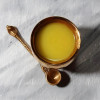
Cow ghee is a rich source of saturated fats, conjugated linoleic acid (CLA), and antioxidants. While saturated fats are often harmful, the short and medium-chain fatty acids in ghee are not stored as body fat and have minimal effect on blood lipid levels. CLA, a key component of ghee, has been linked to improving insulin sensitivity and reducing body fat by gene regulation. Cow ghee has also been shown to reduce arachidonic acid metabolites associated with inflammation and metabolic disorders.
In Ayurvedic medicine, cow ghee is classified as a Rasayana, which supports overall health and longevity. It is traditionally used in managing Prameha (the Ayurvedic term for diabetes) because it helps balance Vata and Pitta doshas, which are important for maintaining metabolic stability.
The review also highlights cow ghee’s potential to prevent diabetes-related complications such as cardiovascular and other metabolic diseases. This includes controlling inflammatory mediators that lead to complications like hypertension and atherosclerosis. Docosahexaenoic acid (DHA), found in ghee, has also been associated with better cardiovascular health in diabetes.
Overall, the review suggests that cow ghee may help prevent and manage diabetes through its beneficial components. Moderate consumption is important to gain health benefits while avoiding adverse effects. Further research is needed to clarify its role in diabetes management and dietary practices.
Reference:
Ravi K et al. World J Pharm. 2018;7:459-66.
https://www.wisdomlib.org/science/journal/world-journal-of-pharmaceutical-research/d/doc1374396.html

Recent FAQs



Related FAQs







Medtalks is India's fastest growing Healthcare Learning and Patient Education Platform designed and developed to help doctors and other medical professionals to cater educational and training needs and to discover, discuss and learn the latest and best practices across 100+ medical specialties. Also find India Healthcare Latest Health News & Updates on the India Healthcare at Medtalks







Please login to comment on this article