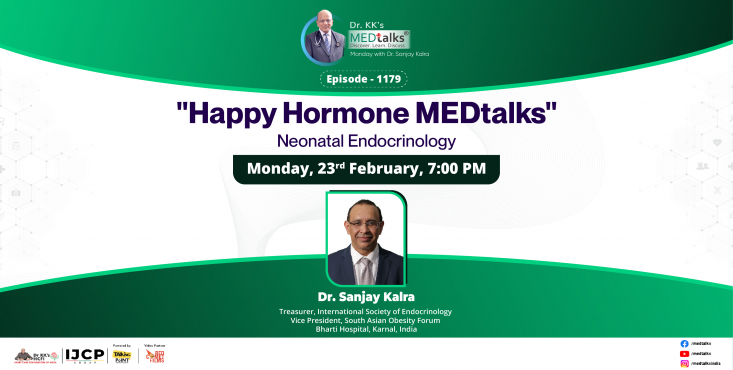
Transgender Health

163 views
  Streamed on 11 May, 2026, 07:00 PM

ABOUT THIS SESSION

Join us for an insightful webinar on transgender health with Dr. Sanjay Kalar, focusing on the evolving medical and psychosocial aspects of care. The session will highlight key challenges in access, hormone therapy, and long-term health outcomes in transgender individuals. It will also address the importance of inclusive, evidence-based clinical practices in routine healthcare settings. This discussion aims to strengthen awareness and improve competency in delivering respectful and comprehensive transgender healthcare. 

Q&A

Transgender health refers to healthcare and support for people whose gender identity is different from the sex assigned to them at birth. It includes mental health support, hormone therapy, medical care, surgical interventions, and social support to help individuals live comfortably in their identified gender.

ex refers to biological characteristics and whether a person is born male, female, or intersex. Gender relates to how a person identifies and experiences themselves psychologically and socially - for example as masculine, feminine, both, neither, or fluid.

No. Being transgender is not a disease. It is recognised as a natural variation in human identity and experience. It reflects how a person understands and identifies themselves.

Gender-affirmative healthcare means supporting and respecting a persons gender identity through compassionate communication, counselling, hormone therapy, and when needed, medical or surgical interventions.

Hormones help align physical characteristics with a persons gender identity. Testosterone may be used for trans men, while estrogen and anti-androgen therapy may be used for trans women. These treatments can improve both emotional wellbeing and quality of life.

Puberty-delaying therapy temporarily pauses puberty in children or adolescents. This gives them more time to understand and explore their gender identity before permanent physical changes take place.

There are concerns that newer legal requirements, including certification processes and approvals from authorities, may create delays, increase paperwork, affect privacy, and make access to transgender healthcare more difficult.

Gender-Affirmative First Aid refers to basic respectful behaviour towards transgender individuals. This includes asking how a person would like to be addressed, using appropriate pronouns, speaking respectfully, and creating a supportive environment from the very beginning.

Society can support transgender individuals by treating them with dignity and respect, avoiding discrimination, listening with empathy, using their preferred names and pronouns, and helping them access safe and inclusive healthcare services.

Gender-affirmative hormone therapy can improve mental wellbeing, reduce emotional distress, improve quality of life, and help individuals feel more comfortable in their identity. Timely access to appropriate care can have a significant positive impact on both mental health and overall wellbeing.
Logo

Medtalks is India's fastest growing Healthcare Learning and Patient Education Platform designed and developed to help doctors and other medical professionals to cater educational and training needs and to discover, discuss and learn the latest and best practices across 100+ medical specialties. Also find India Healthcare Latest Health News & Updates on the India Healthcare at Medtalks