The Placenta | Medtalks

The Placenta

209 views
  Streamed on 12 Jan, 2026, 07:00 PM

ABOUT THIS SESSION

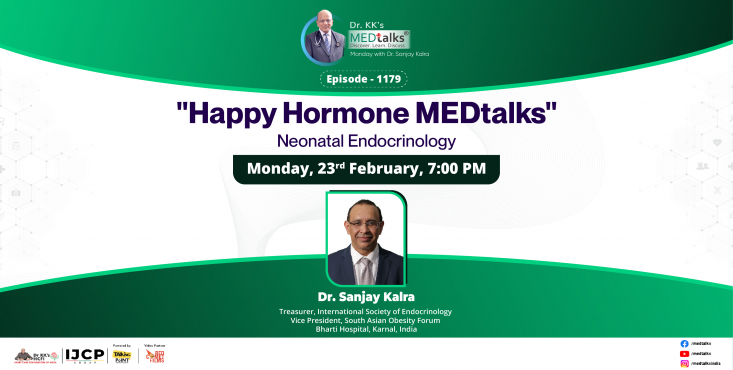
The placenta is a remarkable, temporary organ that forms the lifeline between mother and fetus, enabling nutrient transfer, gas exchange, and waste removal during pregnancy. It also functions as an active endocrine and immunological organ, influencing maternal metabolism and fetal growth. In this webinar, Dr. Sanjay Kalra highlights the placenta’s pivotal role in linking maternal health with pregnancy outcomes. Understanding placental function provides valuable insights into the origins of metabolic and developmental health across the life course. 

Q&A

The placenta is unique because it functions as a temporary endocrine organ that exists only during pregnancy. Despite its short lifespan, it is highly active and independently produces a wide range of hormones, including both peptide and steroid hormones, essential for maintaining pregnancy.

The placenta serves as a vital interface between the mother and fetus by enabling physical attachment and facilitating metabolic, hormonal, and immune exchange. It allows the transfer of oxygen, nutrients, antibodies, and signaling molecules required for fetal growth and survival.

Maternal stress can influence placental gene regulation, potentially altering its structure and function. These changes may affect fetal neurodevelopment and increase the risk of long-term health consequences for the child.

The maternal gut microbiome plays an important role in modulating placental function. A balanced microbial environment is associated with better pregnancy outcomes, suggesting potential benefits of probiotics and prebiotics during pregnancy.

During early pregnancy, the placenta produces human chorionic gonadotropin (hCG), which supports the corpus luteum and sustains progesterone production, thereby maintaining the uterine environment needed for early fetal development.

Human placental lactogen promotes fetal growth by enhancing insulin-like growth factor activity. It also alters maternal glucose and lipid metabolism to ensure a steady nutrient supply to the developing fetus.

In late pregnancy, the placenta releases hormones such as relaxin that soften the cervix and loosen pelvic ligaments, helping the body adapt structurally for childbirth.

Placental hormones are described as autonomous because their secretion is not governed by classic endocrine feedback loops. Once released, they continue to act independently, particularly during physiological stress.

Conditions such as gestational diabetes, preeclampsia, and pregnancy-induced hypertension are associated with abnormal placental hormone activity that disrupts metabolic regulation and vascular function.

The ABCDE framework emphasizes key aspects of antenatal care: A for anemia management, B for blood pressure control, C for appropriate weight and growth monitoring, D for diabetes regulation, and E for maintaining endocrine balance, particularly thyroid health.
Logo

Medtalks is India's fastest growing Healthcare Learning and Patient Education Platform designed and developed to help doctors and other medical professionals to cater educational and training needs and to discover, discuss and learn the latest and best practices across 100+ medical specialties. Also find India Healthcare Latest Health News & Updates on the India Healthcare at Medtalks