The Male Gonads | Medtalks

The Male Gonads

181 views
  Streamed on 10 Nov, 2025, 07:00 PM

ABOUT THIS SESSION

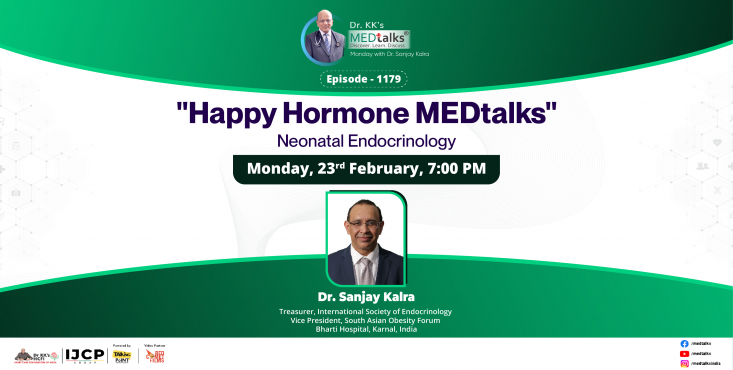
The male gonad, or testis, serves as the cornerstone of male reproductive and endocrine health. It not only produces sperm but also secretes testosterone, a hormone essential for growth, vitality, and metabolic balance. In this webinar, Dr. Sanjay Kalra will delve into the physiology, regulation, and clinical aspects of testicular function. The session aims to enhance understanding of how the male gonad influences fertility, hormonal health, and overall well-being.

Q&A

Male gonads are known as the testes. They play a dual role in the male body-producing sperm for reproduction and releasing testosterone, the primary male hormone responsible for many physical and functional traits.

The testes are located in the scrotum, outside the abdominal cavity. This positioning keeps them slightly cooler than the rest of the body, which is essential for normal sperm development and fertility.

Having one testis positioned slightly lower is a normal anatomical variation. This arrangement allows better movement, reduces friction between the testes, and lowers the chance of injury during daily activities.

The testes contain two key cell types. Sertoli cells support and nurture developing sperm, while Leydig cells are responsible for producing testosterone, which regulates male reproductive and physical health.

Testosterone influences many aspects of male health. It supports sperm formation, sexual function, muscle and bone strength, energy levels, mood, and overall physical and mental well-being.

Testicular activity is controlled by a hormonal feedback system known as the hypothalamus-pituitary-gonadal axis. Signals from the brain regulate the release of hormones that guide testosterone production and sperm development.

Yes. Using testosterone from external sources without medical supervision can disrupt the bodys natural hormone signals. This can reduce sperm production, cause shrinkage of the testes, and potentially lead to fertility problems.

Testosterone plays an important role in maintaining sexual desire and normal erectile function. Reduced libido or the absence of morning erections may indicate low testosterone levels, although other health factors can also be involved.

Several conditions can affect testicular health, including testicular torsion, undescended testes, hormonal deficiencies, and changes related to aging or excess body weight.

Excess body fat can convert testosterone into estrogen, reducing its effects in the body. In addition, exposure to environmental pollutants and hormone-disrupting chemicals can interfere with normal testicular function and hormone balance.
Logo

Medtalks is India's fastest growing Healthcare Learning and Patient Education Platform designed and developed to help doctors and other medical professionals to cater educational and training needs and to discover, discuss and learn the latest and best practices across 100+ medical specialties. Also find India Healthcare Latest Health News & Updates on the India Healthcare at Medtalks