The Brain

166 views
  Streamed on 27 Oct, 2025, 07:00 PM

ABOUT THIS SESSION

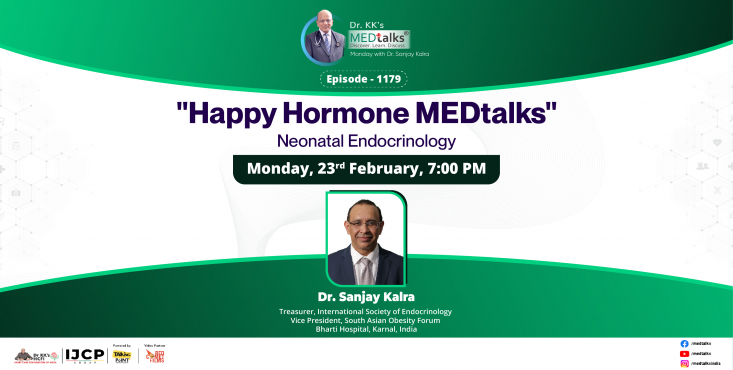
Join us for an insightful webinar on “The Brain” with Dr. Sanjay Kalra, where we explore the fascinating world of the human mind. Dr. Kalra will delve into how the brain regulates emotions, cognition, and behavior, and how neurological and endocrine systems interact to maintain balance. This session will offer a deeper understanding of brain health, its influence on overall well-being, and the latest perspectives in neuroendocrinology. Don’t miss this opportunity to learn from one of the leading experts in the field.

Q&A

The brain functions as both the command center and a receiver for hormones. It regulates body activities using two main communication systems-neurotransmitters, which send signals through nerves, and hormones, which move through the bloodstream. Hence, the brain plays a dual role in both producing and responding to hormones, making it a key part of the endocrine system.

Neurotransmitters transmit signals rapidly through nerve cells and lead to quick, short-term reactions. Hormones circulate through the blood, acting more slowly but creating longer-lasting effects. In essence, neurotransmitters work fast and briefly, while hormones act slower but last longer.

Yes. There is constant interaction between hormones and neurotransmitters. Hormones can regulate the activity of neurotransmitters, while neurotransmitters can affect how and when hormones are released. Substances like dopamine and serotonin serve as examples since they can act as both, showing the close relationship between the two systems.

The main hormones responsible for happiness and emotional well-being are serotonin, oxytocin, melatonin, and endorphins. Serotonin-promotes calmness and a sense of contentment. Oxytocin-enhances bonding, affection, and trust. Melatonin-supports relaxation and better sleep. Endorphins-reduce pain and create feelings of pleasure, especially during exercise or laughter.

Nearly 90% of serotonin is made in the gut by intestinal microbes, while only a small amount-about 89%-is produced in the brain. This strong gut-brain link explains why digestive health can greatly influence mood and mental well-being.

Yes. Hormones are not always positive in their effects. For instance, while oxytocin encourages bonding, too much of it can also heighten feelings of favoritism or distrust toward outsiders. Similarly, excessive levels of cortisol-the stress hormone-can trigger anxiety, irritability, or anger.

Hormones such as estrogen, progesterone, and testosterone, though mainly produced in the reproductive organs, directly act on brain cells. They influence emotions, mood, and behavior. Changes in these hormone levels, like those during menstruation or menopause, often cause mood swings, irritability, or difficulty concentrating.

Early menopause is often linked with decreased estrogen levels, which can affect both heart and brain health. Studies show that women with early menopause and reduced heart function may have more brain shrinkage and white matter damage. This hormonal imbalance impacts memory, mood, and sleep regulation.

Absolutely. Regular physical activity helps stabilize hormones such as insulin, leptin, and stress-related hormones. Exercise also restores brain chemicals, reducing the negative impact of unhealthy diets. Consistent movement, along with balanced nutrition, supports both hormonal and brain health.

Therapies such as Cognitive Behavioral Therapy (CBT) and Coping Skills Training (CST) are effective in managing emotional and hormonal imbalances. These methods help individuals recognize negative emotions, understand their causes, and reshape unhealthy thought patterns. By improving emotional control, they promote better hormone balance and overall mental well-being.
FACULTY
Dr. Sanjay Kalra
Dr. Sanjay Kalra
Consultant & Head,Treasurer, International Society of Endocrinology (ISE), Vice President, South Asian Obesity Forum (SOF) Bharti Hospital, Karnal, Haryana, India
Logo

Medtalks is India's fastest growing Healthcare Learning and Patient Education Platform designed and developed to help doctors and other medical professionals to cater educational and training needs and to discover, discuss and learn the latest and best practices across 100+ medical specialties. Also find India Healthcare Latest Health News & Updates on the India Healthcare at Medtalks