The Anterior Pituitary - The Master Gland | Medtalks

The Anterior Pituitary - The Master Gland

1472 views
  Streamed on 01 Sep, 2025, 07:00 PM

ABOUT THIS SESSION

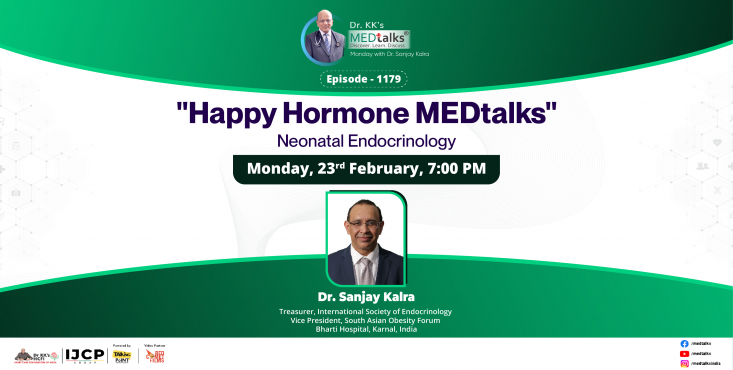
Join us for an insightful webinar with Dr. Sanjay Kalra on “The Anterior Pituitary – The Master Gland.” This session will explore how the anterior pituitary regulates vital processes such as growth, reproduction, metabolism, and stress response through its diverse hormones. Dr. Kalra will also highlight the intricate feedback mechanisms and common clinical disorders linked to pituitary function, offering a clear understanding of why it is regarded as the true conductor of the endocrine system.

Q&A

The anterior pituitary is a pea-sized gland below the brain. It is called the master gland because it controls many other glands, like the thyroid, adrenal glands, ovaries, and testes, by releasing hormones.

It develops during pregnancy from a small pouch in the roof of the mouth called Rathkes pouch. Later, it settles below the brain, while the posterior pituitary develops as an extension of the brain.

The pituitary is about half a gram in weight, similar in size to a pea. If it grows larger than 1 cm, doctors suspect a large growth called a macroadenoma.

The anterior pituitary makes six important hormones: Non-reproductive hormones: Growth Hormone (GH) helps children grow, builds muscles and bones Adrenocorticotropic Hormone (ACTH) stimulates adrenal glands to make cortisol (stress hormone) Thyroid-Stimulating Hormone (TSH) stimulates the thyroid to make thyroid hormones (T3 and T4) Reproductive hormones: Luteinizing Hormone (LH) helps ovaries release eggs in women, makes testosterone in men Follicle-Stimulating Hormone (FSH) helps produce eggs and sperm Prolactin helps mothers make breast milk

Too little growth hormone in children causes short height. Too much can lead to gigantism in children and acromegaly in adults, where hands, feet, and jaw become larger.

Too much ACTH leads to Cushings disease, causing weight gain, high blood pressure, and high sugar. Too little ACTH causes weakness, low blood pressure, and tiredness.

Hypopituitarism means the pituitary does not make enough hormones. It can happen due to accidents, bleeding during childbirth, snake bites, tumors, or infections. This may cause growth issues, thyroid problems, or infertility.

In children, doctors check height and weight regularly. In women, regular periods suggest normal function; in men, normal sexual function shows good health. If there are problems like headaches, infertility, or growth changes, blood tests and MRI scans are done.

Prolactinoma is a non-cancerous tumor that makes too much prolactin. In women, it can cause irregular periods and milk discharge. In men, it may cause low testosterone and sexual problems.

Eat a balanced diet and avoid crash diets Manage stress with yoga, meditation, or relaxation Get enough sleep daily Avoid unnecessary medicines without a doctors advice See a doctor if you notice: Unexplained weight change Growth problems in children Frequent headaches or vision issuesIrregular periods or infertility
FACULTY
Dr. Sanjay Kalra
Dr. Sanjay Kalra
Consultant & Head,Treasurer, International Society of Endocrinology (ISE), Vice President, South Asian Obesity Forum (SOF) Bharti Hospital, Karnal, Haryana, India
Logo

Medtalks is India's fastest growing Healthcare Learning and Patient Education Platform designed and developed to help doctors and other medical professionals to cater educational and training needs and to discover, discuss and learn the latest and best practices across 100+ medical specialties. Also find India Healthcare Latest Health News & Updates on the India Healthcare at Medtalks