Occupational endocrinology

235 views
  Streamed on 25 May, 2026, 07:00 PM

ABOUT THIS SESSION

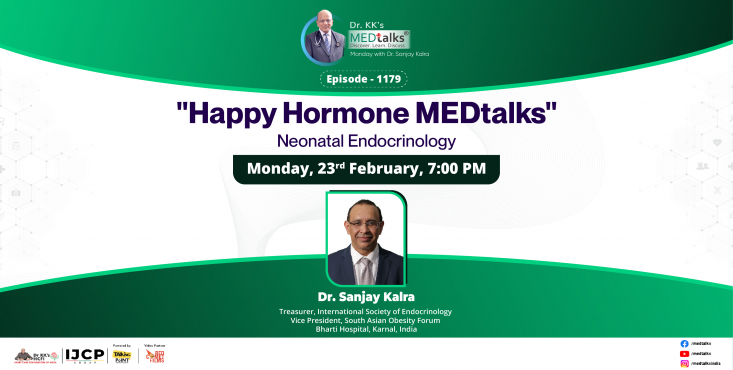
Join Dr. Sanjay Kalra for an engaging webinar on Occupational Endocrinology, highlighting the impact of workplace stress, shift work, sleep disruption, and lifestyle factors on endocrine and metabolic health. The session will explore occupational influences on diabetes, obesity, and thyroid disorders, along with practical strategies for workplace wellness, circadian rhythm optimization, preventive endocrinology, and personalized patient care. Tune in to gain valuable clinical insights and practical takeaways.

Q&A

Occupational endocrinology is a branch of science that focuses on the bidirectional relationship between occupational health and the endocrine system. It explores how workplace environments and conditions can influence hormonal health, as well as how endocrine health can affect an individuals work performance and career choices.

Various workplace-related factors, including stress, heat, lighting, noise, radiation, chemical exposures, and prolonged screen use, can disturb hormonal balance and adversely affect endocrine and metabolic health.

The three main components of ergonomic endocrinology include: Physical ergonomics, which involves workplace infrastructure, temperature, lighting, and other environmental conditions, Cognitive ergonomics, which addresses mental workload, interpersonal interactions, and psychological demands and Organizational ergonomics, which focuses on workflow patterns, scheduling practices, and work organization.

Working continuously without adequate breaks may contribute to cognitive, physical, communication, and compassion fatigue. Incorporating short, regular breaks throughout the workday can help sustain productivity and support hormonal well-being.

Healthy and supportive relationships with coworkers and supervisors may promote the release of hormones associated with positive emotions and social bonding, such as dopamine, serotonin, oxytocin, and endorphins. In contrast, stressful or unhealthy workplace interactions can elevate cortisol levels, which may have negative effects on overall health.

Workplace exposures that have the potential to disrupt endocrine function include: Chemicals, Excessive screen exposure, Radiation, Heat and unfavorable physical working conditions, Excessive light and noise that can interfere with normal circadian rhythms.

Consistent meal patterns and regular physical activity play an important role in maintaining stable blood glucose levels and supporting normal hormonal function. Consuming smaller meals at regular intervals may also help reduce the risk of hypoglycemia during working hours.

Evaluating parameters such as body composition, blood glucose levels, blood pressure, thyroid status, and stress markers can assist in matching individuals to occupational roles that are better aligned with their physical and psychological capacities.

Targeted endocrine screening can help identify employees who may be at risk for conditions such as obesity, diabetes, thyroid dysfunction, or other hormonal disturbances. Early detection enables timely intervention and supports the development of individualized healthcare strategies.

Organizations can support endocrine health by implementing measures such as: Making healthy food choices readily available, Encouraging employees to take regular breaks, Adopting strategies to minimize workplace stress, Promoting opportunities for physical activity, Conducting endocrine health awareness initiatives and screening programs, Reducing exposure to factors that may disrupt endocrine function.
FACULTY
Dr. Sanjay Kalra
Dr. Sanjay Kalra
Consultant & Head,Treasurer, International Society of Endocrinology (ISE), Vice President, South Asian Obesity Forum (SOF) Bharti Hospital, Karnal, Haryana, India
Logo

Medtalks is India's fastest growing Healthcare Learning and Patient Education Platform designed and developed to help doctors and other medical professionals to cater educational and training needs and to discover, discuss and learn the latest and best practices across 100+ medical specialties. Also find India Healthcare Latest Health News & Updates on the India Healthcare at Medtalks