Happy Hormone MedTalks - The Pancreas

364 views
  Streamed on 29 Sep, 2025, 07:30 PM

ABOUT THIS SESSION

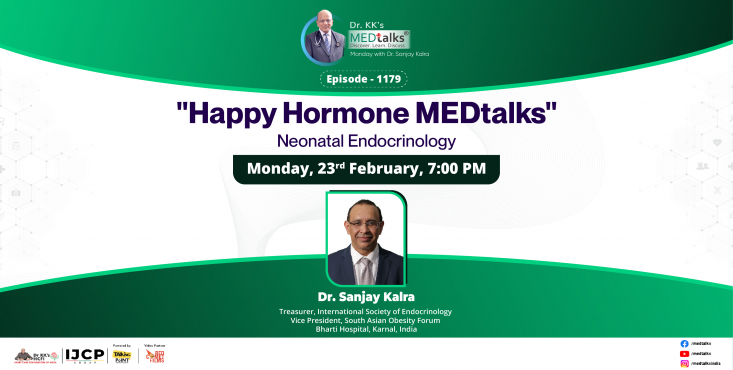
The pancreas is a vital organ that plays a dual role in digestion and metabolism, making it central to overall health. Beyond producing enzymes that aid in breaking down food, it also regulates blood sugar through insulin and other hormones. Any dysfunction of the pancreas can therefore have wide-ranging consequences, from diabetes to digestive disorders. In this webinar, Dr. Sanjay Kalra will shed light on the importance of the pancreas and its impact on clinical practice.

Q&A

The pancreas works in two main ways: it helps digest food, and it helps regulate blood sugar. Its exocrine part makes digestive enzymes that break down carbohydrates, proteins, and fats into simpler forms the body can absorb. Its endocrine part releases hormones, mainly insulin and glucagon, to keep blood glucose levels balanced.

On average, the pancreas weighs between 100 and 170 grams. Though relatively small, it is essential for both digestion and metabolism.

The exocrine pancreas releases enzymes into the digestive tract. These enzymes break food down into glucose, amino acids, and fatty acids-nutrients that can then be absorbed by the body and used for energy.

The endocrine role comes from specialized clusters of cells called the islets of Langerhans. Beta cells secrete insulin in the pancreas to lower blood sugar, while alpha cells release glucagon to raise it. Together, these hormones maintain glucose balance.

Despite their vital role, beta cells are tiny, weighing only about 0.8 to 1.2 grams. Yet they are crucial for controlling blood glucose through insulin production.

Pancreatitis is inflammation of the pancreas. It may appear suddenly acute, persist over time chronic, or flare up repeatedly acute-on-chronic. Common causes include gallstones, excessive alcohol intake, and very high levels of triglycerides.

Reduce stress on the pancreas by eating small, light meals. Use pancreatic enzyme supplements if needed. Treat underlying causes such as gallstones, alcohol misuse, or high triglycerides.

When enzyme production falls short, food is not properly digested or absorbed. Even with a good diet, this can lead to weight loss, malnutrition, and abdominal discomfort.

Maintain regular glucose and cholesterol monitoring. Avoid heavy alcohol use. Control diabetes and triglyceride levels. Eat moderate meals, especially during festive seasons.

Insulin lowers blood sugar by helping cells absorb glucose. Glucagon prevents blood sugar from dropping too low. Together, they maintain stable metabolism and prevent hyper- or hypoglycemia.
Logo

Medtalks is India's fastest growing Healthcare Learning and Patient Education Platform designed and developed to help doctors and other medical professionals to cater educational and training needs and to discover, discuss and learn the latest and best practices across 100+ medical specialties. Also find India Healthcare Latest Health News & Updates on the India Healthcare at Medtalks