Happy Hormone MEDtalks - Postpartum Period

276 views
  Streamed on 13 Apr, 2026, 07:00 PM

ABOUT THIS SESSION

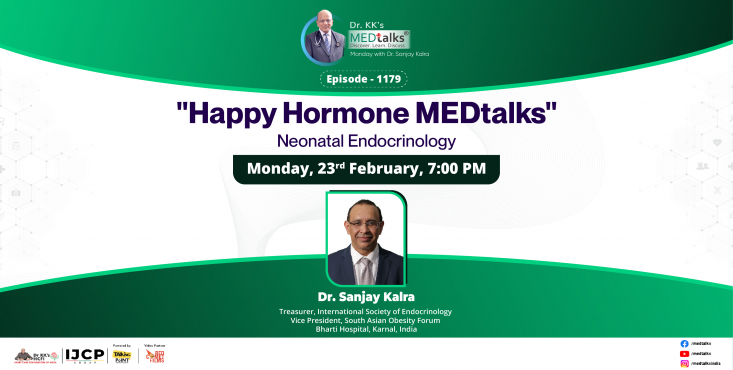
Join us for an insightful webinar on the postpartum period with Dr. Sanjay Kalra, where we explore the often-overlooked phase of maternal recovery and long-term health. Gain expert insights into hormonal, metabolic, and psychological changes that impact women after childbirth. Enhance your understanding of early identification and management of postpartum complications. Be part of this engaging session to strengthen your clinical approach to comprehensive maternal care.

Q&A

It is the first 6 weeks (around 40 days) after childbirth when a womans body slowly returns to its pre-pregnancy state, both physically and hormonally.

This phase is important because the body goes through major physical, hormonal, and emotional changes. Good care during this time helps prevent long-term problems and supports both mother and baby.

More than one-third of women may develop long-term health concerns, About 15% may experience postpartum anxiety, The risk of postpartum depression can increase, especially with hormonal contraceptives and Nutritional deficiencies and metabolic changes are also common.

After delivery, pregnancy hormones drop suddenly, while other hormones gradually return to normal. This can lead to mood swings, delayed periods, and changes in metabolism.

Breastfeeding: Provides complete nutrition to the baby, Acts as a natural, though not fully reliable, method of contraception and Lowers the mothers risk of obesity, diabetes, metabolic syndrome, and some cancers.

Postpartum women, especially those breastfeeding, need: About 20% more calories, Enough protein, calcium, and iron, Vitamins such as D and B-complex, along with healthy fats (MUFA/PUFA) and Small, frequent, and balanced meals.

It refers to a lack of essential micronutrients like iron, calcium, and vitamins that may not be obvious but can affect recovery and overall health.

New mothers often deal with stress, inexperience, and hormonal mood changes. Emotional care should include: A supportive and comforting presence, Active involvement from family, Counseling and empathetic communication - All of this helps reduce anxiety and depression.

Thyroid medication doses are usually reduced (for example, by about 30%) - Insulin or diabetes medicines may need to be reduced or adjusted and Follow-up testing is advised after about 6 weeks (40 days)

The three main pillars of postpartum care are Nutritional care - balanced diet and supplements, Emotional care - support, counseling, and empathy, Hormonal care - monitoring and adjusting medical conditions
FACULTY
Dr. Sanjay Kalra
Dr. Sanjay Kalra
Consultant & Head,Treasurer, International Society of Endocrinology (ISE), Vice President, South Asian Obesity Forum (SOF) Bharti Hospital, Karnal, Haryana, India
Logo

Medtalks is India's fastest growing Healthcare Learning and Patient Education Platform designed and developed to help doctors and other medical professionals to cater educational and training needs and to discover, discuss and learn the latest and best practices across 100+ medical specialties. Also find India Healthcare Latest Health News & Updates on the India Healthcare at Medtalks