Adolescent Health and Endocrinology

289 views
  Streamed on 16 Mar, 2026, 07:00 PM

ABOUT THIS SESSION

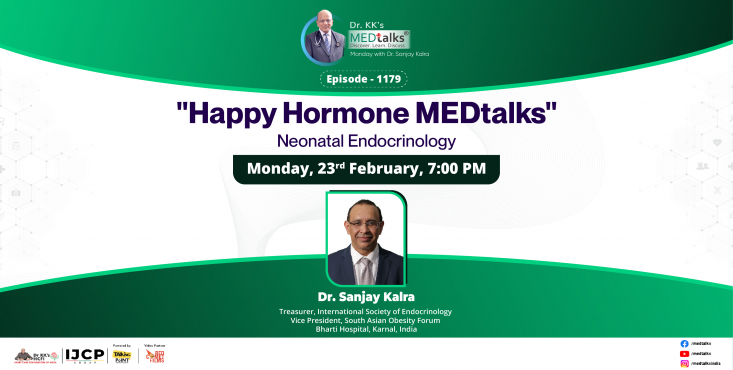
Adolescence is a critical period marked by rapid physical, hormonal, and psychological changes that shape lifelong health. Endocrine function plays a central role in growth, puberty, metabolism, and reproductive health during this stage. Increasing concerns such as obesity, insulin resistance, thyroid disorders, and vitamin D deficiency are making endocrine health in adolescents a growing clinical priority. In this webinar, Dr. Sanjay Kalra will explore key endocrine challenges in adolescents and discuss practical strategies for early recognition and effective management.

Q&A

Adolescence is the stage between childhood and adulthood, usually spanning from around 12 to 18-21 years of age. It is an important phase of life as it sets the groundwork for overall health and well-being in adulthood.

During adolescence, hormones become active and play a central role in shaping physical growth, emotional responses, and behavior. These changes are essential for normal development and for the transition into adulthood.

Hormones such as testosterone and progesterone can influence risk-taking tendencies. At the same time, teenagers are still in the process of learning how to regulate these changes, which can sometimes affect their judgment and decision-making.

Early puberty refers to the onset of puberty before the age of 9. It is a concern because it has been associated with an increased risk of developing conditions like diabetes, heart disease, and certain cancers later in life.

Adequate sleep is essential during adolescence. Poor sleep can disrupt hormonal balance, which may impact both physical growth and mental development. It may also increase the risk of conditions such as PCOS.

The increasing prevalence of obesity among adolescents is contributing to a higher risk of conditions such as type 2 diabetes, fatty liver, and high cholesterol at a younger age.

Nutrition plays a vital role during this phase. A balanced diet that includes sufficient protein, calcium, and vitamin D supports healthy bone development and overall growth.

Mind style refers to how individuals manage their thoughts and emotions. Just like physical lifestyle habits, maintaining a calm and balanced mindset helps adolescents cope better with challenges.

Routine monitoring of height and weight is important, along with checking thyroid function in those at risk. Screening for obesity-related conditions, including diabetes, should also be considered.

Parents play a key role by offering guidance, understanding, and support rather than criticism. Encouraging open conversations about bodily changes and promoting healthy habits can make a meaningful difference.
Logo

Medtalks is India's fastest growing Healthcare Learning and Patient Education Platform designed and developed to help doctors and other medical professionals to cater educational and training needs and to discover, discuss and learn the latest and best practices across 100+ medical specialties. Also find India Healthcare Latest Health News & Updates on the India Healthcare at Medtalks