
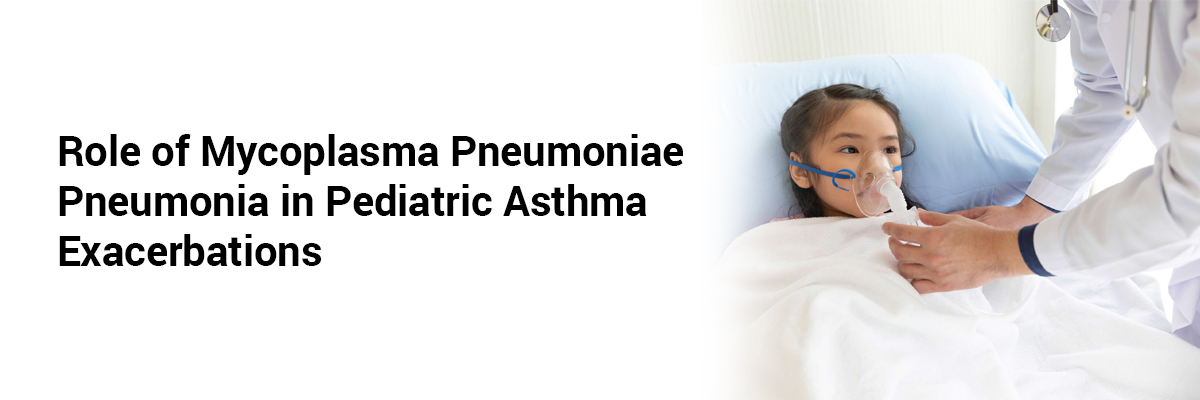

Role of Mycoplasma pneumoniae Pneumonia in Pediatric Asthma Exacerbations
Children who have been hospitalized with Mycoplasma pneumoniae infection are at a significantly higher incidence of experiencing asthma exacerbation. Children infected between 24 and 71 months of age were particularly vulnerable, showing the highest risk of asthma exacerbation. These findings were published May 6, 2024 in the journal Pediatric Pulmonology.1
The medical records of youngsters in South Korea were examined in this retrospective cohort study between January 2002 and December 2017. Participants who had been hospitalized with a diagnosis related to M. pneumoniae infection were included in the study. The outcome was asthma exacerbation, which was defined as hospitalization due to asthma at least 6 months after M. pneumoniae infection. Systemic steroid prescription records and asthma diagnosis records were used for alternative validation of asthma exacerbation. The objective was to investigate the association between M pneumoniae infection and subsequent asthma exacerbation in children with allergies.
A total of 84,074 children with M. pneumoniae infection and 336,296 children without the infection formed the study group. They were followed up for a mean duration of 12.2 years.
Children with a history of M. pneumoniae infection were found to be at nearly 3-fold increased risk of experiencing asthma exacerbation compared to unexposed children with a hazard ratio (HR) of 2.86. This heightened risk was independent of allergic comorbidities. The risk of asthma exacerbation was highest in children who developed M. pneumoniae infection between 24 and 71 months of age. This risk was 3-fold higher in this age group.
This association remained significant even when an alternative definition of asthma exacerbation based on asthma diagnosis and systemic steroid prescriptions was used with HR of 1.38 confirming a strong association between M. pneumoniae infection and asthma exacerbation later on.
By linking M. pneumoniae infection to asthma exacerbation, this study suggests M. pneumonia infection as a significant risk factor for childhood asthma and related complications. This association highlights the need for greater awareness and enhanced monitoring of children with a history of M. pneumoniae infection to prevent asthma exacerbations and improve outcomes in at-risk children. Special attention should be given to children infected between 24 and 71 months of age, as they are at the highest risk.
Source: Pediatr Pulmonol. 2024 May 6. doi: 10.1002/ppul.26907.


Recent FAQs



Related FAQs





Medtalks is India's fastest growing Healthcare Learning and Patient Education Platform designed and developed to help doctors and other medical professionals to cater educational and training needs and to discover, discuss and learn the latest and best practices across 100+ medical specialties. Also find India Healthcare Latest Health News & Updates on the India Healthcare at Medtalks







Please login to comment on this article