
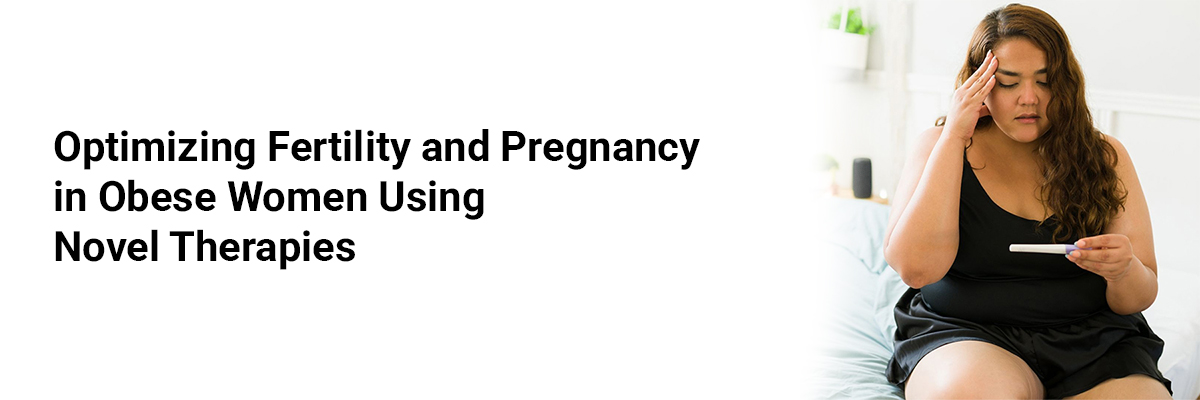

Optimizing Fertility and Pregnancy in Obese Women Using Novel Therapies
Obesity is a chronic disease with significant global morbidity and mortality, substantially impacting reproductive health by affecting fertility, pregnancy outcomes, and long-term maternal and child well-being. Obesity is linked to infertility and may reduce response to ovulation induction therapies. During pregnancy, obesity increases the risk of spontaneous abortion, congenital anomalies, gestational diabetes, hypertensive disorders, cesarean delivery, and stillbirth.
Traditional weight management strategies, including diet, exercise, behavioral modification, and bariatric surgery, have shown limited effectiveness in reducing obesity-related reproductive risks. Glucagon-like peptide-1 receptor agonists (GLP-1 RAs) and other gut hormone–based therapies are transforming weight loss management, providing meaningful reductions in body weight.
However, these therapies cannot be used during pregnancy, thus obstetrician–gynecologists need to carefully guide their use before, between, and after pregnancies to balance weight loss with reproductive health safely.
Reference:
Finkle J, Brost BC. Role of glucagon-like peptide-1 receptor agonists in people with infertility and pregnancy. Obstetrics & Gynecology. 2022 May 5:10-97.
https://journals.lww.com/greenjournal/abstract/2025/03000/role_of_glucagon_like_peptide_1_receptor_agonists.8.aspx


Recent FAQs




Related FAQs







Medtalks is India's fastest growing Healthcare Learning and Patient Education Platform designed and developed to help doctors and other medical professionals to cater educational and training needs and to discover, discuss and learn the latest and best practices across 100+ medical specialties. Also find India Healthcare Latest Health News & Updates on the India Healthcare at Medtalks







Please login to comment on this article