

Maternal and Perinatal Risks in Assisted Reproduction: The Need for Careful Monitoring
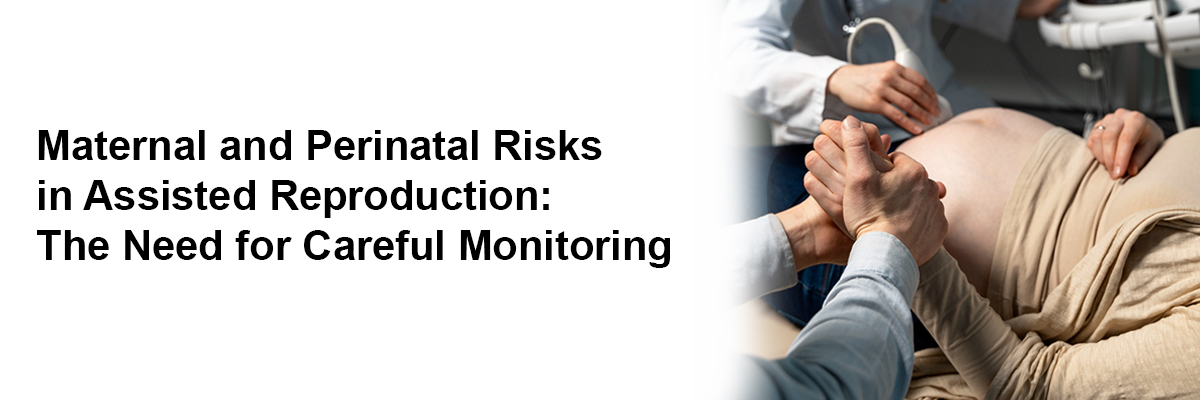
There has been evidence of an increased risk of obstetric outcomes and complications in pregnancies conceived by in-vitro fertilization (IVF) in comparison to spontaneous conceptions. A recent study investigating the obstetric outcomes of pregnancies conceived via IVF has shown a discrepancy in birth weights between IVF-conceived infants and those conceived spontaneously. The mean birth weight of infants born through IVF was less than their naturally conceived counterparts. Even more concerning is the prevalence of gestational hypertension and gestational diabetes mellitus among IVF pregnancies. This heightened incidence underscores the need for vigilant monitoring throughout the gestational period. Further analysis showed that a majority of women undergoing IVF cited tubal factor infertility as the root cause.
It is important to understand that the post-conception period is complex, demanding careful monitoring and proactive management to mitigate risks and ensure favorable outcomes. Preterm deliveries and low birth weights are often associated with IVF pregnancies, necessitating heightened vigilance and specialized care.
Therefore, the clinical trajectory of IVF pregnancies must be closely monitored from conception to delivery. Comprehensive follow-up and monitoring protocols are crucial in evaluating the live birth rate and addressing the challenges associated with these pregnancies.
Source. Indian Obstetrics and Gynecology. 2023;13(3)


Recent FAQs




Related FAQs









Medtalks is India's fastest growing Healthcare Learning and Patient Education Platform designed and developed to help doctors and other medical professionals to cater educational and training needs and to discover, discuss and learn the latest and best practices across 100+ medical specialties. Also find India Healthcare Latest Health News & Updates on the India Healthcare at Medtalks







Please login to comment on this article