
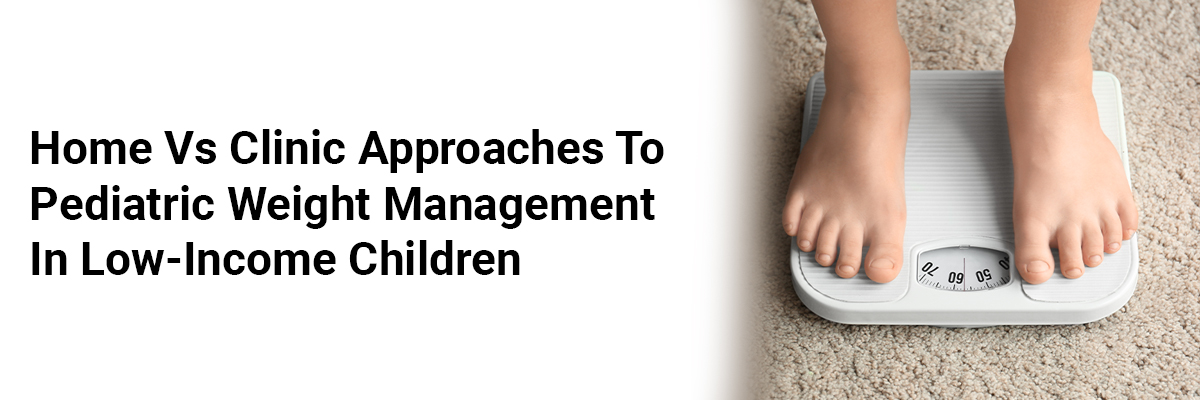

Home vs Clinic Approaches to Pediatric Weight Management in Low-Income Children
Children from lower-income families tend to achieve smaller weight loss in family-based programs, often because of difficulties attending sessions and following recommendations. The CHECK randomized controlled trial examined whether delivering pediatric weight management interventions at home improves outcomes compared with clinic-based sessions.
A total of 269 children aged 6–12 years with overweight or obesity from lower-income households were enrolled. All families received a 12-month intervention consisting of 18 planned in-person sessions and 12 telephone contacts.
The only difference between groups was the location of in-person sessions (home vs clinic). The study measured 12-month changes in body mass index z-score (zBMI), session attendance, total contact time, and secondary clinical outcomes.
After 12 months, BMI z-score changes were similar between home- and clinic-delivered groups. Home delivery increased session attendance and contact time, and greater engagement predicted larger zBMI reductions. Overall, home delivery improved participation but did not enhance overall weight loss outcomes.


Recent FAQs



Related FAQs






Medtalks is India's fastest growing Healthcare Learning and Patient Education Platform designed and developed to help doctors and other medical professionals to cater educational and training needs and to discover, discuss and learn the latest and best practices across 100+ medical specialties. Also find India Healthcare Latest Health News & Updates on the India Healthcare at Medtalks







Please login to comment on this article