
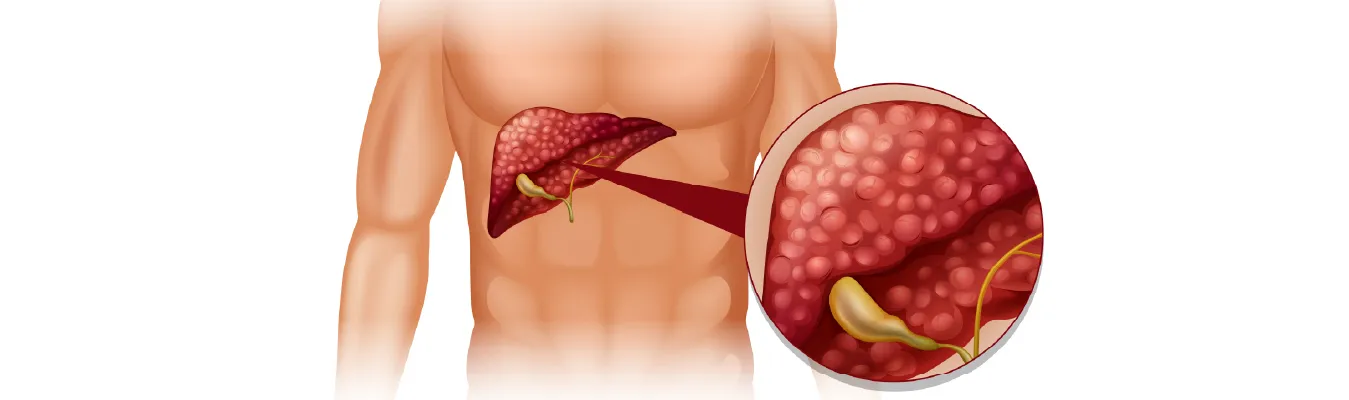

Fatty Liver No Longer an Older Age Problem: What Experts Want You to Know
Fatty liver disease was once seen as a
condition affecting older adults. Today, that pattern is changing. More young
people are increasingly being diagnosed with fatty liver, usually during
regular health check-ups or when they are being investigated in relation to
some other unrelated issue. As cases are increasing among younger adults, more
people are now seeking timely fatty liver treatment in Delhi NCR for early
diagnosis and proper management.
To a large extent, this change is
propelled by contemporary lifestyle trends. Sedentary lifestyles, processed
food, the growing effects of obesity, and the growing cases of diabetes are all
contributing to the earlier onset. The most worrying thing about fatty liver is
that it is a silent disease, which shows no signs or very few signs at the
initial stage.
Why Fatty Liver is Increasing Among
Younger Adults
The increase in fatty liver cases in
the younger age groups indicates more profound lifestyle shifts that have
become common today.
The following are some of the major
contributing factors:
●
Unhealthy diets with high
sugar, refined carbs, and unhealthy fats
●
Sedentary lifestyles with desk
jobs and decreased mobility
●
Obesity and weight gain
directly contribute to fat in the liver
●
Diabetes and insulin resistance
affect fat metabolism
●
Abnormal habits, such as sleep
deprivation and stress
According to experts like Dr Ajay
Dayashankar Pranami (15+ years of experience), these factors are now appearing
much earlier in life, which is why fatty liver is no longer restricted to older
populations.
What Are the Early Signs of Fatty
Liver?
One of the biggest challenges with
fatty liver disease is that it often remains asymptomatic in the early stages.
Many people are unaware of the condition until it is detected through scans or
blood tests.
However, some individuals may
experience the following:
●
persistent fatigue
●
mild discomfort in the upper
abdomen
●
unexplained weight gain
●
feeling of heaviness after
meals
●
general weakness
These symptoms are subtle and easy to
overlook, making regular health check-ups important for early detection.
Why Fatty Liver Should Not Be Ignored
Fatty liver may seem mild initially,
but ignoring it can lead to serious complications over time.
If left unmanaged, it can progress to:
●
inflammation of the liver
●
fibrosis (scarring)
●
cirrhosis (advanced damage)
●
increased risk of liver failure
Dr. Anukalp Prakash (MBBS, MD, DNB
Gastroenterology, 13+ years of experience) highlights that early-stage fatty
liver is often reversible, but delayed diagnosis can make treatment more
complex and prolonged.
In addition to liver damage, fatty
liver is also linked with higher risks of heart disease and metabolic
disorders, making it a broader health concern.
How Early Diagnosis Helps in Better
Treatment Outcomes
Early detection plays a critical role
in managing fatty liver effectively. When diagnosed at the right stage, the
condition can often be controlled—and even reversed—with lifestyle changes and
medical guidance.
Benefits of early diagnosis include:
●
improved liver function over
time
●
reduced risk of disease
progression
●
less dependence on complex
treatments
●
better control over metabolic
health
●
lower long-term healthcare
costs
Doctors focusing on fatty liver treatment in Delhi NCR consistently
emphasise that early action leads to better and faster recovery outcomes.
Treatment and Lifestyle Changes That
Can Help
Managing fatty liver requires a
combination of medical support and lifestyle correction. In most cases,
treatment focuses on reducing liver fat and improving overall health.
Common approaches include:
●
Balanced nutrition with reduced
sugar and processed food intake
●
Regular exercise to improve
metabolism and reduce fat accumulation
●
Weight management, even small
reductions, can show improvement
●
Blood sugar control for
individuals with diabetes or prediabetes
●
Routine monitoring under
medical supervision
Dr. Vikas Jindal (MBBS, MD Medicine,
DM Gastroenterology, AIIMS Delhi, 12+ years of experience) notes that
consistent lifestyle changes, when combined with proper medical guidance, can
significantly improve liver health and prevent complications.
Why Awareness Matters More Than Ever
Lack of awareness remains one of the
biggest reasons for delayed diagnosis. Many younger individuals do not consider
themselves at risk and often ignore early signs or delay screening.
Improving awareness can help:
●
encourage timely medical
consultation
●
promote preventive health
check-ups
●
reduce long-term complications
●
support better treatment
outcomes
Recognising that fatty liver can
affect younger adults is a crucial step toward early prevention.
What You Can Do to Protect Your Liver
Health
While medical care plays an important
role, individuals can take simple steps to protect their liver health.
Practical habits include:
●
maintaining a balanced diet
●
staying physically active
●
monitoring weight regularly
●
reducing sugar and processed
foods
●
managing stress and sleep
●
scheduling routine health
check-ups
These small, consistent changes can
make a significant difference in preventing and managing fatty liver
Conclusion
Fatty liver is no
longer a condition that is age-specific. It is becoming more common among
younger people because of lifestyle and metabolic health alterations.
Since the condition usually progresses
without any apparent symptoms, it becomes crucial to identify the condition at
the earliest possible stage. Early intervention will help to prevent further
development, minimise complications, and enhance long-term health outcomes.
With the right medical guidance and access to
expert-led fatty liver treatment in Delhi NCR, along with consistent lifestyle
changes, individuals can effectively manage and, in many cases, reverse fatty
liver. Early action now can assist in saving liver health in the future.
Recent FAQs



Related FAQs


Medtalks is India's fastest growing Healthcare Learning and Patient Education Platform designed and developed to help doctors and other medical professionals to cater educational and training needs and to discover, discuss and learn the latest and best practices across 100+ medical specialties. Also find India Healthcare Latest Health News & Updates on the India Healthcare at Medtalks







Please login to comment on this article