
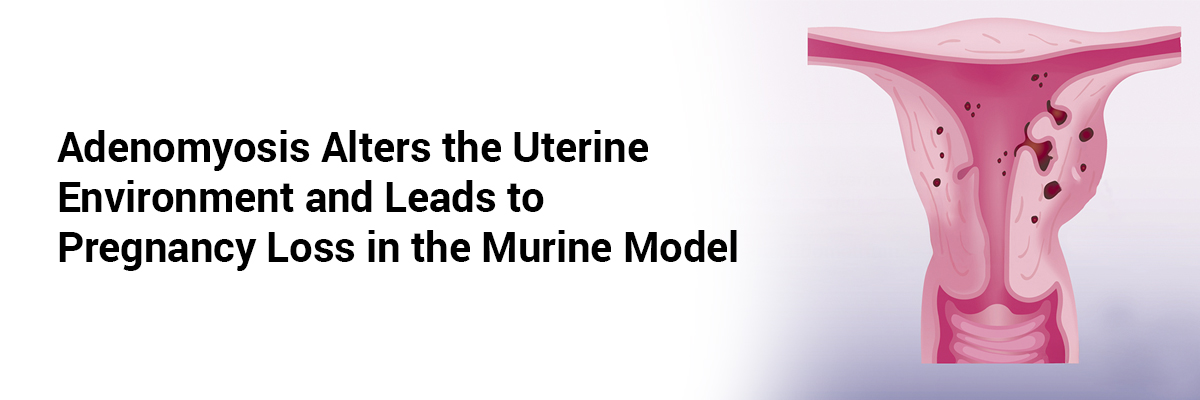

Adenomyosis Alters the Uterine Environment and Leads to Pregnancy Loss in the Murine Model
Adenomyosis has been strongly associated with infertility and poor pregnancy outcomes, yet its underlying mechanisms remain unclear. Hanxi Zheng and colleagues conducted a study to explore how adenomyosis affects fertility and perinatal outcomes, and to identify molecular pathways linked to implantation failure and pregnancy loss.
Female Bagg Albino/c mice were assigned to adenomyosis or sham control groups, and reproductive outcomes across gestation were monitored, including embryo implantation site distribution, fetal growth, implantation rates, and postnatal uterine recovery. Uterine tissues collected at 4.5 days postcoitus underwent RNA sequencing, followed by differential gene expression and pathway enrichment analyses.
Adenomyotic mice showed abnormal distribution of implantation sites with shortened interembryo distances, compromising the spatial organization of embryos. While early embryo numbers were unaffected, mid-gestation pregnancy loss increased significantly, and surviving fetuses were smaller. Histology revealed severe structural disruption of the uterine musculature and heightened local inflammation. RNA sequencing demonstrated widespread dysregulation of genes involved in immune regulation, apoptosis, and metabolism. Increased activation of phosphoinositide 3-kinase (PI3K)-Akt, mitogen-activated protein kinase (MAPK), and tumor necrosis factor (TNF) signaling pathways was seen.
The study concluded that adenomyosis disrupts uterine architecture and molecular signaling, resulting in impaired embryo development and implantation. These findings enhance understanding of disease pathophysiology and identify PI3K-Akt, MAPK, and TNF pathways as promising targets for therapeutic intervention.
Reference:
Zheng H, Liu M, Su Q, Li H, Wang F. Impaired fertility and perinatal outcomes in adenomyosis: insights from a novel murine model and uterine gene profile alterations during implantations. American Journal of Obstetrics & Gynecology. 2025 Feb 20.
https://www.sciencedirect.com/science/article/pii/S0002937825001140


Recent FAQs




Related FAQs







Medtalks is India's fastest growing Healthcare Learning and Patient Education Platform designed and developed to help doctors and other medical professionals to cater educational and training needs and to discover, discuss and learn the latest and best practices across 100+ medical specialties. Also find India Healthcare Latest Health News & Updates on the India Healthcare at Medtalks







Please login to comment on this article