
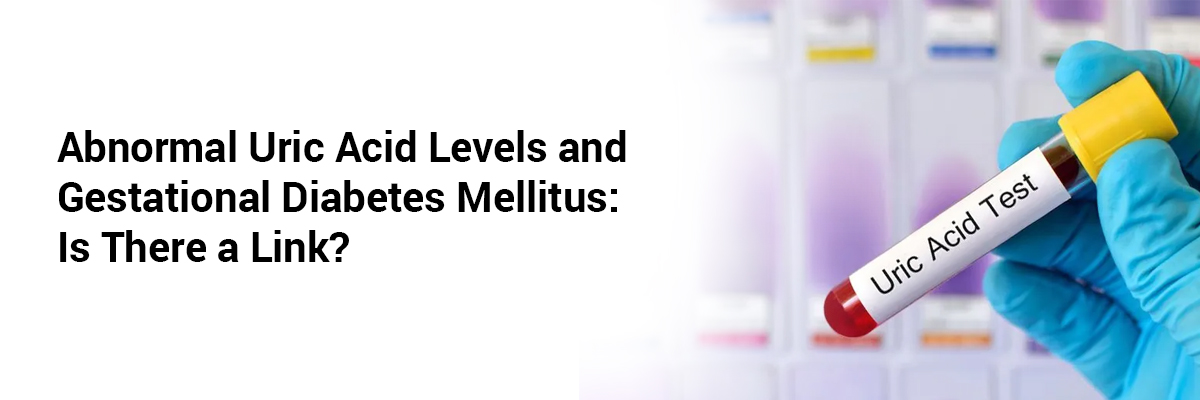

Abnormal Uric Acid Levels and Gestational Diabetes Mellitus: Is There a Link?
The association between elevated uric acid (UA) levels and adverse pregnancy outcomes—such as preeclampsia, fetal growth restriction, and preterm birth—is well recognized. However, whether hyperuricemia contributes directly to the risk of gestational diabetes mellitus (GDM) remains a subject of ongoing debate. Emerging evidence from recent systematic reviews suggests a possible correlation between elevated serum UA levels and GDM, but current data remain inconclusive and largely observational.
Learn about diabetes, its causes, symptoms, and effective management by Dr. Sanjay Kalra
The pathophysiological pathways connecting uric acid to insulin resistance in pregnancy mirror those seen in non-pregnant individuals. Hyperuricemia may impair insulin sensitivity through oxidative stress in adipose tissue, reduced endothelial nitric oxide availability, and enhanced inflammatory cytokine activity—all of which are implicated in GDM pathogenesis. Elevated UA may thus act both as a biomarker and a potential mediator of metabolic dysregulation during pregnancy.
Nevertheless, further research is warranted to clarify the causal relationship between hyperuricemia and GDM, delineate threshold levels of UA predictive of risk, and explore genetic or metabolic predispositions that may amplify susceptibility. Identifying these mechanisms could improve early screening and risk stratification, potentially enabling preventive interventions that protect maternal and fetal health.
In conclusion, while elevated uric acid may serve as a warning signal for metabolic disturbance during pregnancy, its precise role in the development of GDM remains to be fully elucidated. Robust longitudinal studies and mechanistic investigations are needed to confirm whether managing UA levels could become a novel strategy in GDM prevention.
Reference: Jankar JS, Manglaram A, Ahmed T, et al. Revisiting the link between abnormal uric acid levels and gestational diabetes


Recent FAQs





Related FAQs







Medtalks is India's fastest growing Healthcare Learning and Patient Education Platform designed and developed to help doctors and other medical professionals to cater educational and training needs and to discover, discuss and learn the latest and best practices across 100+ medical specialties. Also find India Healthcare Latest Health News & Updates on the India Healthcare at Medtalks







Please login to comment on this article