The liver

34 views
  Streamed on 05 Jan, 2026, 07:00 PM

ABOUT THIS SESSION

The liver is the body’s central metabolic hub, silently supporting life through thousands of functions every day. It processes nutrients, detoxifies harmful substances, produces bile for digestion, and plays a crucial role in immunity and hormone balance. When the liver is healthy, its work often goes unnoticed; when it is diseased, the impact is widespread and systemic. In this session, Dr. Sanjay Kalra highlights the importance of liver health, early recognition of damage, and proactive steps to protect this vital organ across the lifespan.

Q&A

The liver functions as an endocrine organ because it releases several hormones and hormone-like substances into the bloodstream. These include IGF-1, angiotensinogen, hepcidin, thrombopoietin, and different hepatokines, all of which help control growth, metabolism, blood pressure, iron balance, and glucose levels.

Hepatocrinology is an emerging field that explores how the liver interacts with the bodys hormone systems. It looks at how the liver produces, activates, breaks down, and regulates hormones, and how these processes affect overall metabolism and health.

IGF-1 made by the liver is vital for normal childhood growth and healthy cell development. When levels are low, growth can be stunted, while persistently high levels may contribute to obesity and abnormal tissue growth.

The liver produces angiotensinogen, the starting component of the renin-angiotensin-aldosterone system. This system eventually forms angiotensin II, a powerful regulator of blood pressure, helping the body maintain circulatory balance.

Vitamin D must first pass through the liver to become functional. In the liver it is converted into 25-hydroxy vitamin D, the major circulating form, before being further activated in the kidneys. Without this step, vitamin D cannot work properly in the body.

Hepcidin is a hormone made in the liver that controls how much iron is absorbed and stored. Too much hepcidin can limit iron availability, while too little can result in excessive iron buildup, both of which can cause health problems.

The liver produces thrombopoietin, the key hormone that stimulates the bone marrow to make platelets. Healthy liver function therefore supports adequate platelet counts, which becomes especially important in conditions where platelets drop, such as dengue.

Hepatokines are signaling proteins released from the liver that communicate with other organs and tissues. Examples like FGF-21 and fetuin-A are linked with insulin resistance, obesity, and the risk of developing diabetes, making them important markers and regulators of metabolic health.

When a person is fasting or asleep, the liver maintains blood sugar by producing glucose through gluconeogenesis. If this mechanism becomes overactive, it can raise fasting blood sugar levels, contributing to diabetes.

The liver plays a key role in hormone balance by converting some hormones into their active forms-such as turning T4 into T3 and by breaking down hormones like steroid hormones and GLP-1. This ensures hormone levels remain within a healthy range.
FACULTY
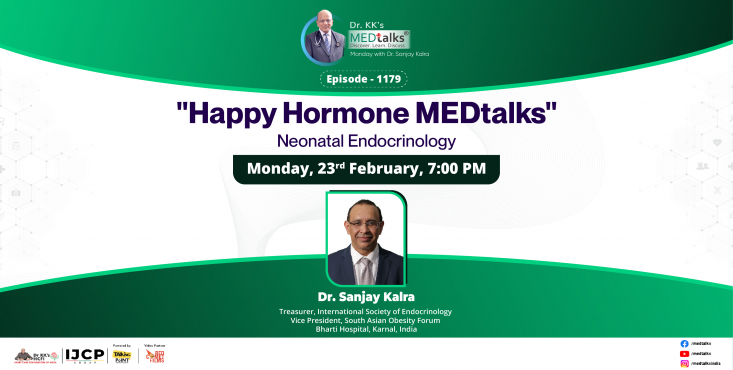
Dr. Sanjay Kalra
Dr. Sanjay Kalra
Consultant & Head,Treasurer, International Society of Endocrinology (ISE), Vice President, South Asian Obesity Forum (SOF) Bharti Hospital, Karnal, Haryana, India
Logo

Medtalks is India's fastest growing Healthcare Learning and Patient Education Platform designed and developed to help doctors and other medical professionals to cater educational and training needs and to discover, discuss and learn the latest and best practices across 100+ medical specialties. Also find India Healthcare Latest Health News & Updates on the India Healthcare at Medtalks