Person Centered Care

194 views
Streamed on 17 Aug, 2026, 07:00 PM

ABOUT THIS SESSION

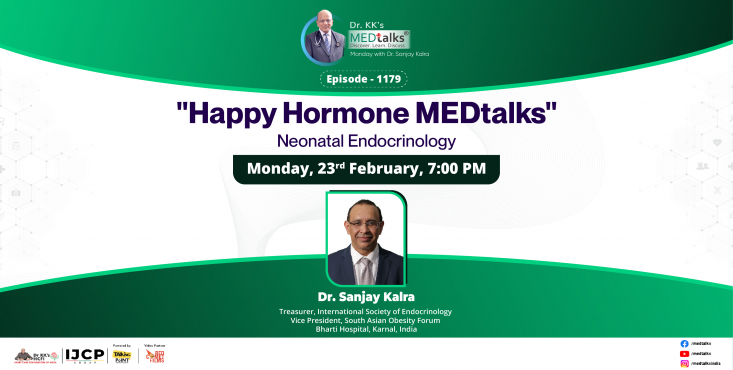
Person-centred care goes beyond treating a disease—it is about understanding the person behind the diagnosis. In this engaging webinar, Dr. Sanjay Kalra explores how individual preferences, needs, values, health literacy, and real-world circumstances can shape better clinical decisions and more meaningful outcomes. From empathetic communication and shared decision-making to practical, resource-sensitive care, discover how person-centred principles can be translated into everyday clinical practice. Join us for an insightful conversation on making healthcare more human, responsive, and truly centred around the person.

Q&A

Person-centered care is clinical practice that is respectful of and responsive to the individuals values, viewpoints, beliefs, and core needs. It takes the patients needs, wishes, wants, priorities, and preferences into consideration in health management while maintaining ethical and clinical standards.

1. Telemedicine in Endocrine Care: Expanding access to super-specialized pediatric and adult endocrine care in remote areas.
2. Binge Eating Research: Highlighting the impact of binge eating on obesity and other hormonal systems, including the gonads.
3. Pancreatic Islet Cell Diversity: Lower heterogeneity in pancreatic islet endocrine cell composition is associated with a higher risk of diabetes.
4. Breast Cancer Therapeutics: Release of new hormonal analogs and antagonists designed to reduce risk and manage hormone-dependent breast cancer.

No. Person-centered care does not mean compromising clinical judgment or prescribing unsafe or incorrect therapies. It involves understanding the patients concerns with empathy, explaining the rationale behind the medical plan respectfully, and reaching a medically sound consensus.

The patients lived experience and investment in their health outcomes are important, but healthcare cannot be treated merely as a commercial transaction. Care requires balancing rights and responsibilities on both sides through mutual respect and communication.

1. Communication Fatigue
2. Compassion Fatigue
3. Corporeal Fatigue
4. Cognitive Fatigue

When healthcare providers genuinely respect a patients values through verbal and non-verbal communication, patients and communities reciprocate that trust and respect. This mutual goodwill helps buffer clinician burnout and re-energizes practitioners.

Information equipoise is achieved when the doctor and patient transparently share incomplete pieces of the puzzle to reach a balanced understanding. The doctor contributes clinical expertise and objective data, while the patient provides real-life context and lifestyle realities.

Once clinical realities and personal contexts are openly shared, the doctor and patient can co-create a tailored treatment strategy that aligns medical needs with practical feasibility.

Challenges include the historical absence of structured communication training in medical curricula, heavy OPD patient loads, and limited consultation time for detailed counselling.

Future discussions will focus on measuring person-centered care within healthcare systems and exploring how the pharmaceutical industry can become more person-centered.

Latest Archived Videos

More from this speciality

Logo

Medtalks is India's fastest growing Healthcare Learning and Patient Education Platform designed and developed to help doctors and other medical professionals to cater educational and training needs and to discover, discuss and learn the latest and best practices across 100+ medical specialties. Also find India Healthcare Latest Health News & Updates on the India Healthcare at Medtalks