Obesitude

137 views
  Streamed on 27 Jul, 2026, 07:00 PM

ABOUT THIS SESSION

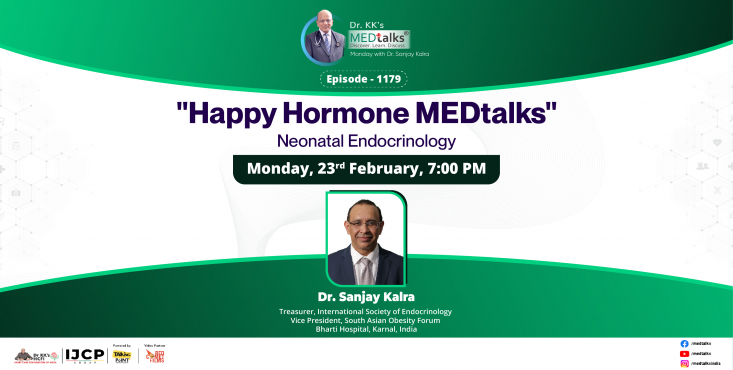
Hormones influence almost every aspect of our health—from appetite and metabolism to mood, energy, sleep, and body weight. Join us for another insightful episode of Happy Hormone MEDtalks as Dr. Sanjay Kalra, renowned endocrinologist and Vice President of the South Asian Obesity Forum, explores the fascinating relationship between hormones and obesity ("Obesitude"). Learn why obesity is much more than excess weight, how hormones regulate hunger and fat storage, and what science says about achieving sustainable metabolic health. Whether you are a healthcare professional, student, or health enthusiast, this session promises practical, evidence-based insights. Join us live at 7:00 PM this Monday!

Q&A

Obesitude refers to an attitude, approach, or mindset that shapes our actions, behaviors, and choices related to obesity, body weight, and weight management.

A Mayo Clinic study found that women receiving tirzepatide along with menopausal hormone therapy achieved more than 35% greater weight loss than those receiving tirzepatide alone.

Cholecystokinin (CCK) is a hormone produced by pancreatic beta cells instead of insulin in the presence of obesity. This change may contribute to tumor growth.

Psychological stress and bullying (baro-bullying) related to obesity can trigger the early activation of the kisspeptin hormone in the hypothalamus, which may lead to early puberty.

Obesitude extends across multiple domains, including the person living with obesity, their peers and family members, society, policy makers and payers, and healthcare professionals.

Ego-dystonic obesitude describes a person with obesity who feels depressed, unhappy, and self-blaming about their weight. In contrast, ego-syntonic obesitude refers to someone who is comfortable, confident, and happy with their body and life despite being overweight.

The FRAX tool is a free online tool that helps assess an individual's risk of experiencing a fragility fracture due to undiagnosed osteoporosis.

Klotho, a hormone produced by the kidneys, is stimulated by physical exercise. It supports calcium-phosphorus metabolism, helps prevent vascular calcification, and strengthens bones.

Recommended measures include eating a balanced diet rich in fruits and vegetables, maintaining optimal thyroid and sodium levels, having small frequent meals, building social connections, and learning new skills or languages.

The recommended approach is to adopt an optimistic obesitude while remaining consistent in making healthy choices, maintaining balanced behaviors, and taking action under the guidance of an endocrinologist.
FACULTY
Dr. Sanjay Kalra
Dr. Sanjay Kalra
Consultant & Head,Treasurer, International Society of Endocrinology (ISE), Vice President, South Asian Obesity Forum (SOF) Bharti Hospital, Karnal, Haryana, India
Logo

Medtalks is India's fastest growing Healthcare Learning and Patient Education Platform designed and developed to help doctors and other medical professionals to cater educational and training needs and to discover, discuss and learn the latest and best practices across 100+ medical specialties. Also find India Healthcare Latest Health News & Updates on the India Healthcare at Medtalks