The Kidneys | Medtalks

The Kidneys

202 views
  Streamed on 22 Dec, 2025, 07:00 PM

ABOUT THIS SESSION

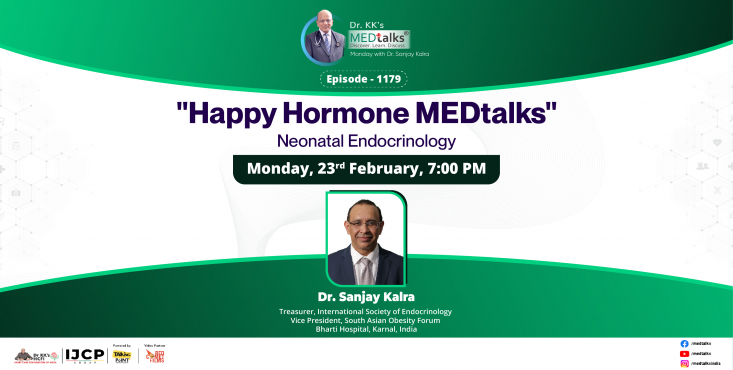
The kidney is a master regulator of internal homeostasis, maintaining fluid, electrolyte, and acid–base balance essential for survival. With Dr. Sanjay Kalra, this perspective highlights the kidney as an endocrine and metabolic organ, producing renin and erythropoietin and activating vitamin D to influence blood pressure, erythropoiesis, and bone health. The kidney also plays a critical role in glucose regulation and cardiovascular risk modulation. Preserving renal function is therefore central to preventing multisystem complications and improving long-term outcomes.

Q&A

Although kidneys are well known for filtering blood and producing urine, their function goes far beyond excretion. They actively participate in hormonal regulation by producing key hormones, converting inactive hormones into active forms, breaking down circulating hormones, and responding to hormonal signals from other organs. Because of this wide hormonal involvement, kidneys are rightly classified as endocrine organs as well.

Erythropoietin is a hormone synthesised by the kidneys that signals the bone marrow to produce red blood cells. Adequate erythropoietin levels are essential to maintain normal haemoglobin. When kidney function declines, erythropoietin production falls, resulting in reduced red cell formation and anaemia.

Anaemia is frequently seen in chronic kidney disease primarily because the kidneys produce less erythropoietin. This problem is often compounded by iron deficiency, chronic inflammation, and reduced red cell survival. Effective treatment focuses on achieving a balanced haemoglobin level, avoiding both undercorrection and overtreatment.

Renin is an enzyme-hormone released by the kidneys that initiates the Renin-Angiotensin-Aldosterone System. This system plays a central role in controlling blood pressure, circulating volume, and renal blood flow. Persistent overactivation of this pathway can contribute to hypertension and accelerate kidney damage.

The kidneys convert vitamin D into its active form, calcitriol, through a specialised enzymatic process. Active vitamin D is crucial for maintaining calcium and phosphate balance and preserving bone strength. In chronic kidney disease, this activation is reduced, leading to disturbances in mineral metabolism and bone health.

The kidneys produce locally acting substances such as prostaglandins and endothelins. Paracrine mediators influence nearby cells, while autocrine mediators act on the cells that release them. These molecules help regulate renal blood flow, filtration dynamics, inflammation, and vascular tone within the kidney.

The kidneys are responsible for clearing a large proportion of circulating insulin. When kidney function declines, insulin breakdown is reduced, prolonging its action in the body. This increases the risk of hypoglycaemia, especially in patients receiving insulin or insulin-releasing medications, necessitating careful dose adjustments.

The kidneys play a key role in removing several hormones from circulation, including insulin, gastrin, parathyroid hormone, vasopressin, oxytocin, thyroid-stimulating hormone, and growth hormone. Reduced clearance in kidney disease can lead to hormonal imbalances and altered physiological responses.

Chronic kidney disease is often associated with abnormalities in thyroid hormone regulation, commonly reflected by raised TSH levels. Low-dose thyroid hormone replacement may improve symptoms such as fatigue and anaemia in selected patients. However, excessive replacement can adversely affect bone health, so therapy must be carefully individualised.

The kidney responds to hormonal signals from multiple systems, including aldosterone from the adrenal glands, antidiuretic hormone from the pituitary, natriuretic peptides from the heart, and parathyroid hormones involved in bone metabolism. These interactions allow the kidneys to regulate fluid balance, electrolytes, blood pressure, and mineral homeostasis.
Logo

Medtalks is India's fastest growing Healthcare Learning and Patient Education Platform designed and developed to help doctors and other medical professionals to cater educational and training needs and to discover, discuss and learn the latest and best practices across 100+ medical specialties. Also find India Healthcare Latest Health News & Updates on the India Healthcare at Medtalks