
Magnesium Supplement
for Sleep —
Does It Really Work?
Struggling to fall asleep? Or waking in the middle of the night unable to drift back? Discover how magnesium supports your body's natural sleep processes — gently and without dependency.
Many people have trouble sleeping, and breaking the cycle of insomnia can be hard.
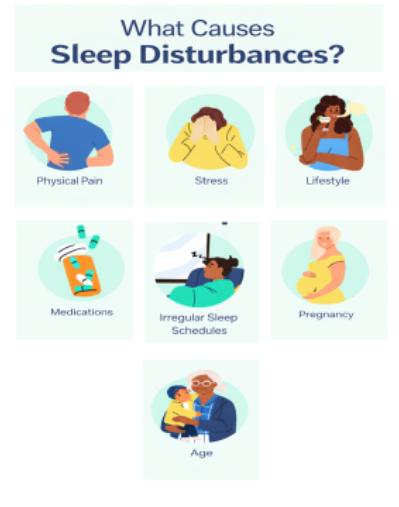
Modern lifestyles often disrupt the body's natural sleep–wake cycle (circadian rhythm). High stress levels, late-night screen use, anxiety, racing thoughts, muscle tension, hormonal shifts, and even poor nutrition can all interfere with restful sleep. While improving your sleep routine, reducing caffeine, and managing stress can certainly help, these lifestyle changes don't always solve the problem completely.
That's why many people explore supplements as an additional support. One mineral that has gained attention for its potential role in sleep is magnesium. This essential nutrient plays many important roles in the body, including supporting nerve function, muscle relaxation, and stress regulation, all of which are closely linked to healthy sleep.
Interestingly, magnesium deficiency is more common than many realize. Studies suggest that a significant number of adults do not meet their daily magnesium needs through diet alone, which may contribute to sleep difficulties in some individuals.
What Is Magnesium and Why Does Your Body Need It?
Magnesium is an essential mineral that your body needs to function properly. Although it does not receive as much attention as vitamins like D or B12, magnesium plays a vital role in keeping your body balanced and healthy.
In fact, magnesium is involved in more than 300 biochemical reactions in the body.
Importantly, magnesium is closely linked to the nervous system — the system that determines whether your body is in an alert, "fight-or-flight" state or a calm, "rest-and-recover" state. This is where its connection to sleep becomes especially relevant.
So, Can Magnesium Really Help You Sleep Better?
Magnesium supports healthy sleep through several key mechanisms:
When magnesium levels are sufficient, the body can transition more efficiently into a relaxed, sleep-ready state. When levels are low, symptoms such as muscle tightness, irritability, heightened stress sensitivity, and difficulty sleeping may become more noticeable.
Magnesium Supplement for Sleep: What Does the Research Say?

Which Magnesium Is Best for Sleep?
Not all magnesium supplements are the same. Magnesium comes in different forms, and each form is absorbed and used by the body differently. When choosing magnesium specifically for sleep, the type you select can make a meaningful difference.
Magnesium bisglycinate, also called magnesium glycinate, is often considered one of the best forms for supporting sleep. This form is created by combining magnesium with glycine, an amino acid known for its calming effects on the brain. Glycine itself may help promote relaxation and support healthy sleep patterns, which makes this combination particularly appealing for nighttime use.

Magnesium bisglycinate for sleep is:
Because of its calming properties and good tolerability, magnesium bisglycinate is commonly recommended for individuals looking to improve sleep quality or reduce nighttime restlessness.
Magnesium: A Sleep-Supporting Supplement, Not a Sleeping Pill
Magnesium Triple Therapy
"Mag Triple Therapy" is designed to combine the strengths of different magnesium forms in one supplement. By blending organic and inorganic compounds, it aims to:
Support better overall absorption
Provide both solubility and higher magnesium content
Offer broader physiological support
Optimize effectiveness within a single capsule
This combination approach may help ensure that the body receives magnesium efficiently, even if stomach acidity or digestive conditions vary from person to person.
Conclusion
Magnesium is not a magic pill, but it is a scientifically supported, gentle, and safe option for people experiencing stress-related or mild sleep disturbances. It works best when:
- Magnesium levels are low
- Stress or muscle tension affects sleep
- Used consistently
- Combined with good sleep habits
If you're looking for a natural, non-habit-forming way to support better sleep, magnesium supplementation may be worth discussing with your healthcare provider.
Frequently Asked Questions
Yes, if within recommended dosage and approved by your doctor.
They work differently. Magnesium supports relaxation; melatonin directly regulates sleep timing. Some people use both under medical advice.
Unlikely at normal doses. It promotes relaxation rather than sedation.
Magnesium is generally safe when taken in recommended doses. Possible side effects include:
- Diarrhea (more common with magnesium citrate or oxide)
- Stomach discomfort
- Nausea (rare)
While many people take magnesium safely, it's advisable to seek medical guidance, especially if you have kidney disease, take regular medications, or suspect a deficiency. A healthcare professional can recommend the most suitable type and dose based on your symptoms, diet, and medical history.
KARE Nutrition 3MAG – Triple Magnesium for Complete Wellness
At KARE Nutrition, science meets purity to deliver targeted, evidence-informed nutraceutical solutions. 3MAG Triple Magnesium is a comprehensive magnesium formula designed to support modern lifestyle needs — sleep, stress resilience, cognitive clarity, muscle recovery, and bone strength, all in one clinically thoughtful blend.
Unlike conventional single-form magnesium supplements, 3MAG integrates three bioavailable magnesium forms:
This synergistic approach ensures broader physiological coverage while maintaining digestive comfort and high elemental value.
The KARE Nutrition Difference
Positioned at the intersection of clinical credibility and clean supplementation, 3MAG represents magnesium — reinvented for complete wellness.
References
- Sleep Foundation. Magnesium. Available from: https://www.sleepfoundation.org/magnesium
- Wienecke T, Nørgaard A. Magnesium and sleep: effects and mechanisms. J Sleep Res. 2002;11(2):93–101. Available from: https://pmc.ncbi.nlm.nih.gov/articles/PMC12535714/
- Mayo Clinic Press. Magnesium for sleep: what you need to know about its benefits. Available from: https://mcpress.mayoclinic.org/living-well/magnesium-for-sleep-what-you-need-to-know-about-its-benefits/
- Smith KJ, Castanon N, Jamieson A. Magnesium supplementation and sleep quality: a systematic review. Sleep Med Clin. 2024;19. Available from: https://www.sciencedirect.com/science/article/pii/S2590142724000193
- Esmed Editorial Board. Melatonin use and sleep outcomes: a clinician review. Med Res Arch. 2024;12(3):5410. Available from: https://esmed.org/MRA/mra/article/view/5410
- Rondanelli M, et al. Role of magnesium in sleep regulation and melatonin synthesis. Nutrients. 2022;14(5). Available from: https://pmc.ncbi.nlm.nih.gov/articles/PMC8996025/
- Arab A, Rafie N, Amani R, Shirani F. The Role of Magnesium in Sleep Health: a Systematic Review of Available Literature. Biol Trace Elem Res. 2023 Jan;201(1):121-128. doi: 10.1007/s12011-022-03162-1. PMID: 35184264.
- Smith TJ. Magnesium supplements and mocktails for better sleep — do they work? MD Anderson Cancer Center. Available from: https://www.mdanderson.org/cancerwise/magnesium-supplements-and-mocktails-for-better-sleep--do-they-work.h00-159695178.html
- From stress to sleep: the many benefits of magnesium. Cleveland Clinic Newsroom. 20 Feb 2026. Available from: https://newsroom.clevelandclinic.org/2026/02/20/from-stress-to-sleep-the-many-benefits-of-magnesium
- Magnesium: supplement guide. WebMD. Available from: https://www.webmd.com/diet/supplement-guide-magnesium

Medtalks is India's fastest growing Healthcare Learning and Patient Education Platform designed and developed to help doctors and other medical professionals to cater educational and training needs and to discover, discuss and learn the latest and best practices across 100+ medical specialties. Also find India Healthcare Latest Health News & Updates on the India Healthcare at Medtalks